In the realm of precision manufacturing, dimensional measurement stands as a critical pillar of quality control. Traditional contact measurement tools, while reliable, often fall short in high-speed production environments where non-contact, rapid, and highly accurate data acquisition is paramount. This is where laser sensor technology emerges as a transformative force. Laser sensors for dimensional measurement operate on the principle of optical triangulation or time-of-flight, projecting a focused laser beam onto a target surface and analyzing the reflected light to calculate distance, height, thickness, or profile with micron-level accuracy.
The core advantage of laser displacement sensors lies in their non-contact nature. This eliminates the risk of surface damage to delicate materials and allows for the inspection of objects in motion, such as on a conveyor belt, without interrupting the production flow. For instance, in the automotive industry, laser sensors are deployed to measure critical gaps between body panels, ensuring consistent fit and finish. In electronics manufacturing, they verify the precise height and coplanarity of surface-mount components on printed circuit boards before soldering, preventing costly assembly defects.
Modern laser sensors offer remarkable versatility. They can measure a vast range of materials, from highly reflective metals to dark, absorbent surfaces, thanks to advanced signal processing algorithms that compensate for varying reflectivity. Furthermore, 2D laser profile scanners extend this capability by emitting a laser line instead of a single point. As an object passes through this line, the sensor captures a complete cross-sectional profile, enabling the measurement of complex geometries, edge detection, and even 3D contour mapping when combined with motion systems. This is invaluable for applications like weld seam inspection, tire tread analysis, and verifying the shape of extruded plastics or rolled metals.
Integration into automated systems is seamless. These sensors typically provide digital (Ethernet, EtherCAT) and analog outputs, allowing real-time measurement data to be fed directly into Programmable Logic Controllers (PLCs) or supervisory control systems. This facilitates immediate feedback and control, enabling automated sorting, process adjustment, or triggering alarms when dimensions deviate from preset tolerances. The robustness of industrial-grade laser sensors ensures reliable operation in harsh environments with exposure to dust, vibration, and temperature fluctuations common in factory settings.
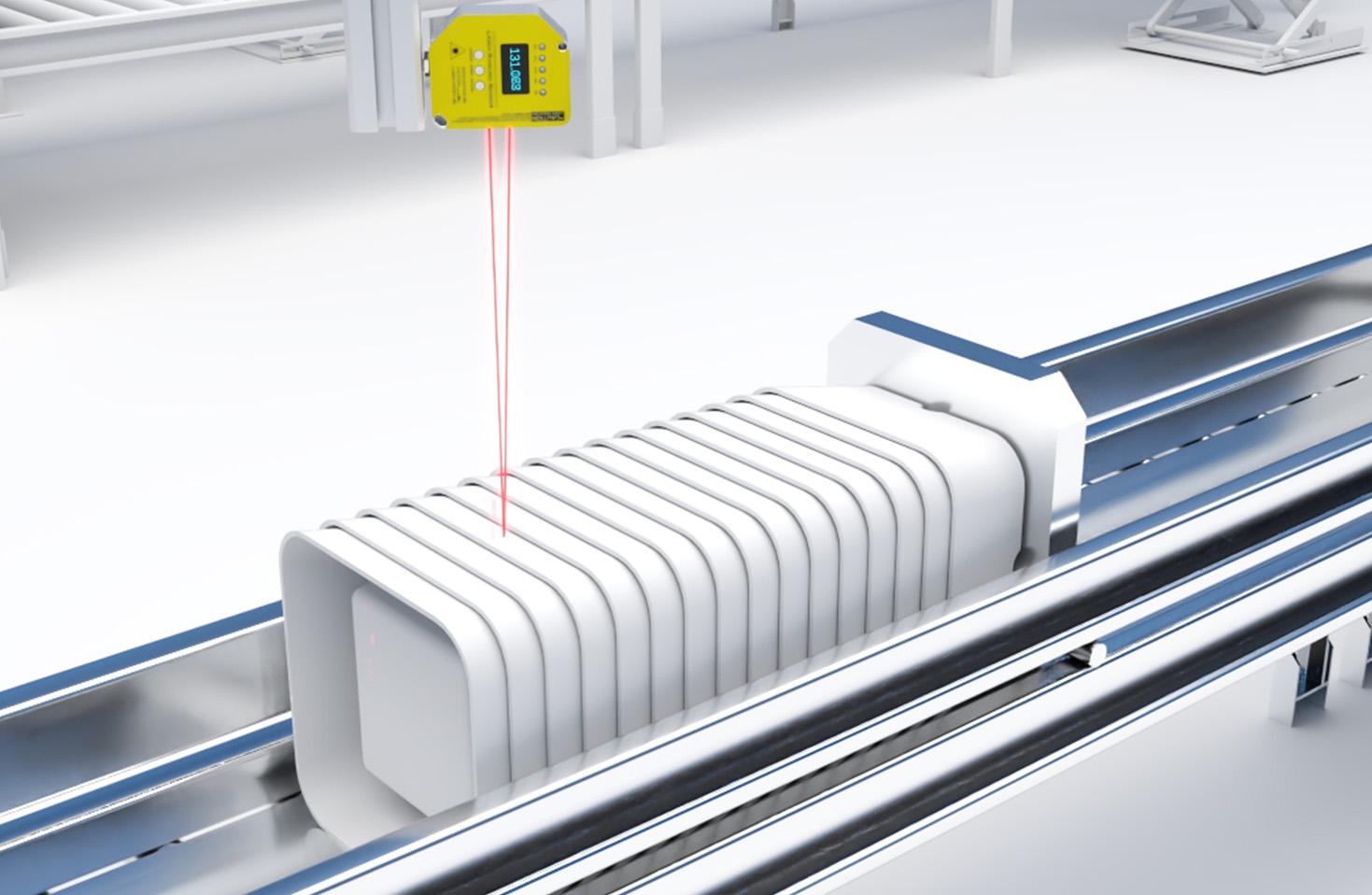
Despite their advantages, successful implementation requires careful consideration. Factors such as the sensor's measurement range, spot size, resolution, and sampling speed must be matched to the specific application. The standoff distance and the angle of incidence relative to the target surface are also crucial for optimal accuracy. Environmental interferences like ambient light or airborne particulates must be mitigated through proper housing or sensor selection.
Looking ahead, the convergence of laser sensing with artificial intelligence and machine vision is pushing boundaries even further. Smart sensors with embedded processing can now not only capture dimensional data but also perform on-the-fly analysis for defect classification and predictive maintenance. As Industry 4.0 and smart factories evolve, laser sensors will continue to be indispensable eyes, providing the precise, real-time dimensional data necessary for achieving unprecedented levels of automation, efficiency, and product quality. Their role extends beyond mere inspection; they are fundamental enablers of closed-loop process control, driving manufacturing toward zero-defect production.
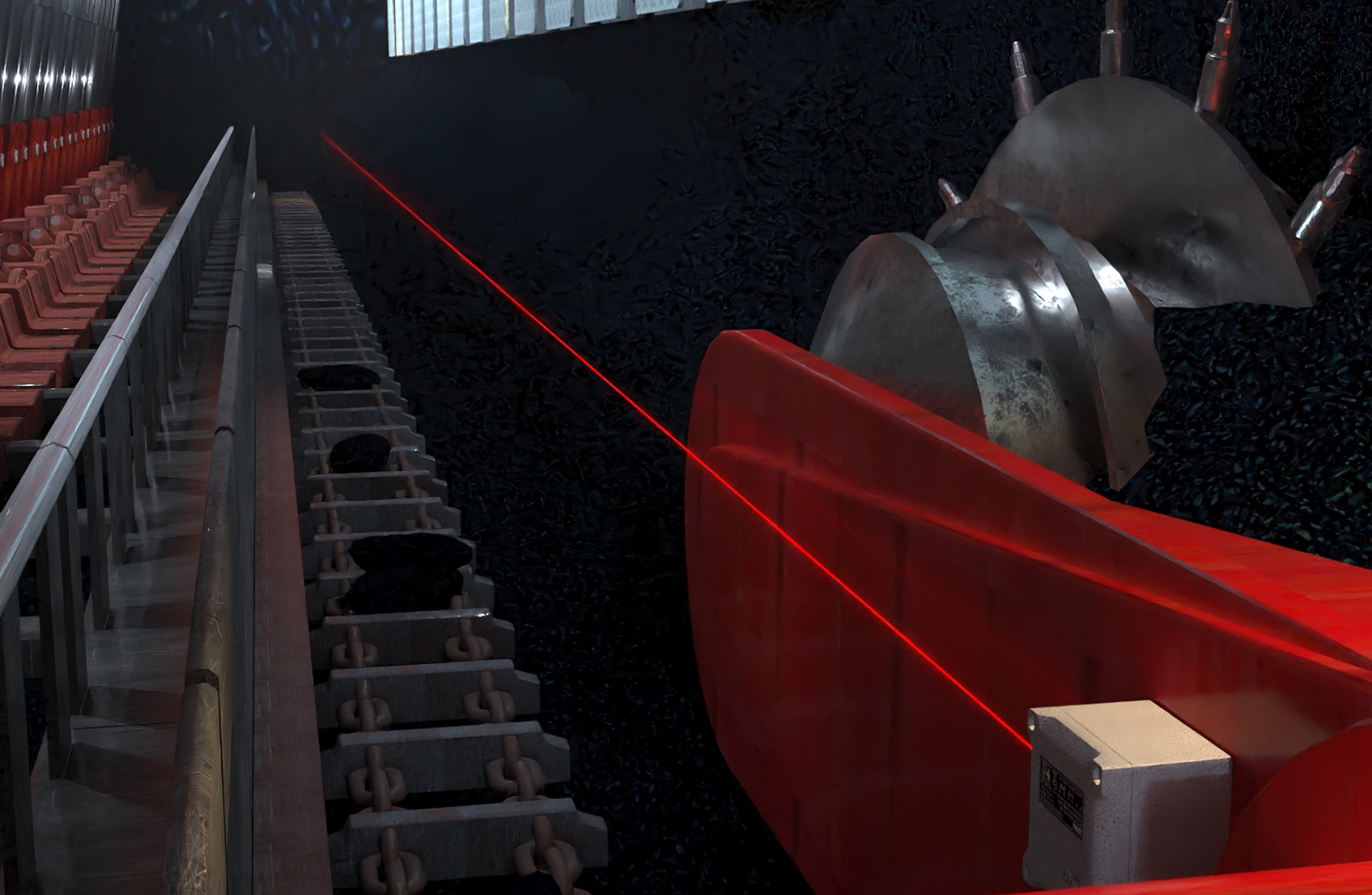
In conclusion, laser sensor technology has fundamentally redefined dimensional metrology. By delivering high-speed, non-contact, and exceptionally accurate measurements, it addresses the stringent demands of modern manufacturing. From ensuring the microscopic precision of semiconductor wafers to gauging large automotive assemblies, laser sensors provide the critical data link between physical production and digital quality assurance, solidifying their status as a cornerstone technology in advanced industrial automation.