For engineers and technicians working in industrial automation, integrating a 12V DC proximity sensor into a motor control system is a fundamental yet critical task. This guide provides a detailed, step-by-step methodology for establishing a safe and functional connection, ensuring reliable operation in applications such as conveyor belt positioning, robotic arm limits, or automated door systems. The core principle involves using the sensor as a switching device to control a relay or a PLC input, which in turn governs the motor's power circuit. It is paramount to remember that the proximity sensor itself does not directly switch the high-current load of a motor; it acts as a low-current signal device.
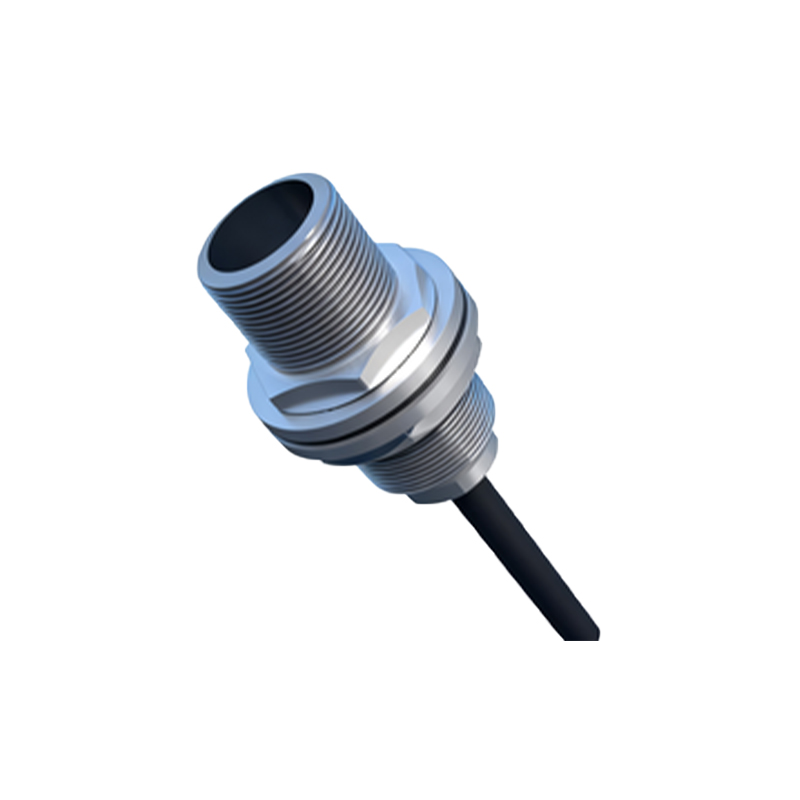
First, identify the specifications of your components. A typical 3-wire DC proximity sensor will have wires designated as Brown (12V DC positive), Blue (0V DC common/negative), and Black (Switched output signal). The motor and its controller (e.g., a contactor, motor starter, or variable frequency drive) must have their voltage and current ratings verified. You will also need a 12V DC power supply rated for the sensor's current consumption and a relay with a 12V DC coil if not using a PLC.
The standard wiring procedure is as follows. Begin by establishing the power circuit for the sensor. Connect the Brown wire from the sensor to the positive terminal (+) of your 12V DC power supply. Connect the Blue wire from the sensor to the negative terminal (-) of the same 12V DC supply. This powers the sensor's internal electronics. Next, integrate the sensor's output into the control circuit. The Black wire is the sensor's normally open (NO) output. When a metal target enters the sensing range, this output switches internally to connect to the positive supply, providing a 12V signal.
This 12V signal must now be used to control a device that can handle the motor's load. Option A: Connecting to a Relay. Connect the Black output wire to one terminal of the coil of a 12V DC relay. Connect the other terminal of the relay coil to the negative (-) of the 12V supply. Now, when the sensor detects an object, it energizes the relay coil. The relay's heavy-duty contacts are then wired in series with the motor starter's coil or directly into a low-power control circuit of a VFD. The main power for the motor runs through the contacts of the motor starter or the VFD's output terminals, never through the sensor or the control relay's coil circuit.
Option B: Connecting to a Programmable Logic Controller (PLC). Connect the sensor's Black wire to a digital input card point on the PLC. Connect the Blue wire to the common terminal of that PLC input group. The PLC's input card must be configured for sinking or sourcing compatibility; typically, with a 12V sensor, you would use a sourcing input (the PLC provides the common positive, and the sensor switches the negative). Consult your PLC manual. Inside the PLC, you program the logic (e.g., when Input X1 is ON, de-energize Output Y1 controlling the motor contactor). The PLC output then triggers the motor contactor.
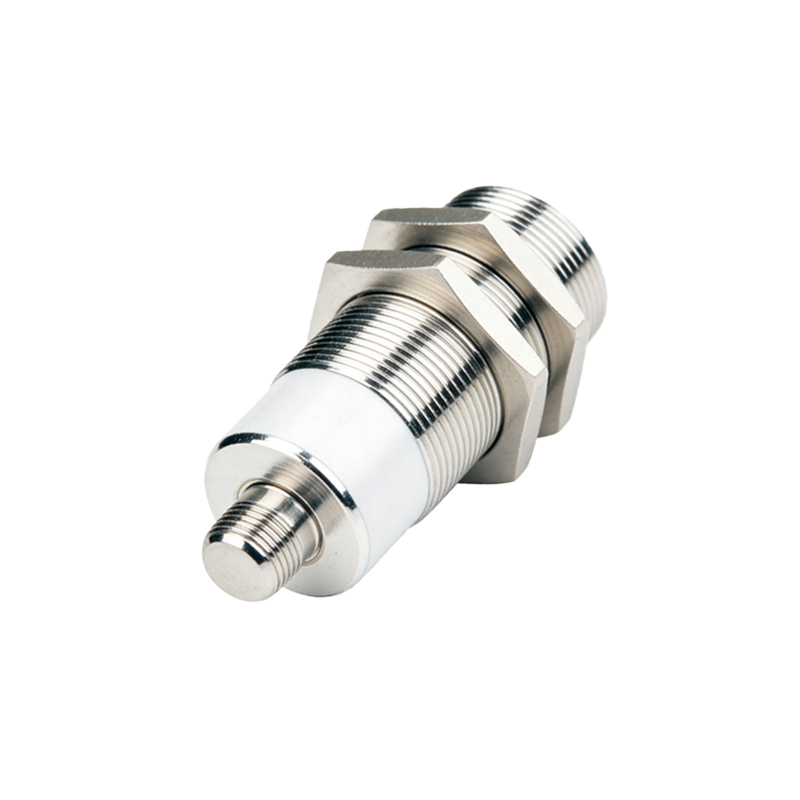
Safety and troubleshooting are non-negotiable phases. Always disconnect all power sources before wiring. Use a multimeter to verify the 12V supply voltage. After powering up, observe the sensor's indicator LED; it should illuminate when a target is present, confirming operation. If the system fails to respond, check for loose connections, incorrect wiring sequence, a faulty relay coil, or a mismatched PLC input type. Ensure all wires are properly secured in terminal blocks and that the sensor is correctly mounted within its specified sensing distance and away from other metal objects that could cause interference.
In summary, the connection sequence is: Power the sensor (Brown to +12V, Blue to 0V). Route its output (Black) to the control device (relay coil or PLC input). Use that control device's output to switch the higher-power circuit operating the motor. Adherence to this logical flow, combined with rigorous verification of component specifications and electrical safety protocols, guarantees a robust interface between your 12V proximity sensor and motor, forming a dependable building block for any automated system.