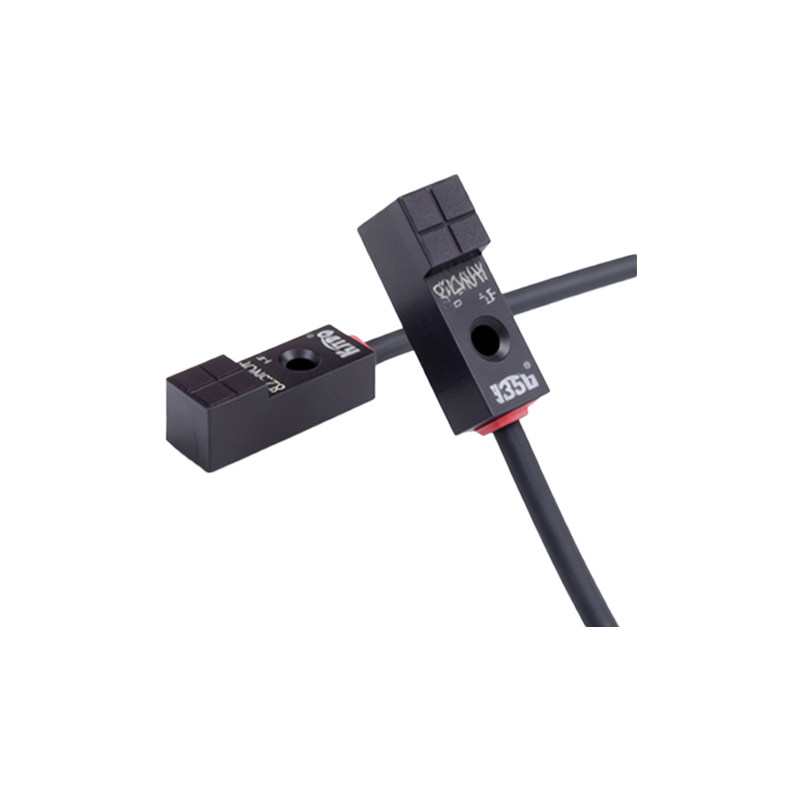
In the rapidly evolving landscape of industrial automation, laser proximity sensors have become indispensable components for precision detection, measurement, and positioning tasks. Their pricing is a critical factor influencing procurement decisions for system integrators, OEMs, and plant engineers. Understanding the cost structure requires a deep dive into the technology, specifications, and market dynamics that define value.
Fundamentally, the price of a laser proximity sensor is not a single figure but a spectrum determined by its core performance characteristics. The type of laser source is a primary cost driver. Standard visible red laser diodes are the most economical, suitable for general-purpose applications with moderate accuracy requirements. In contrast, sensors utilizing Class 1 or Class 2 infrared lasers or, most notably, high-precision laser triangulation modules command a significantly higher price. These advanced units offer superior accuracy, often down to the micron level, longer sensing ranges, and exceptional performance on challenging surfaces like glossy or dark materials, justifying their premium.
Key technical specifications directly correlate with cost. Measurement range is paramount; a sensor with a 300mm range will be less expensive than an identical model capable of 2-meter non-contact measurement. Repeatability and linearity specifications are equally crucial. A sensor guaranteeing ±0.01% full-scale linearity is engineered with higher-grade optics and calibration processes than one with ±1% tolerance, reflecting in its price. Response speed, or sampling rate, also impacts cost. High-speed sensors capable of 50kHz measurements for dynamic processes, such as web inspection or high-speed sorting, utilize faster processors and components, increasing their market price.
Environmental robustness and construction materials contribute substantially to the cost. An industrial-grade sensor with an IP67 or IP69K rating for dust and water ingress protection, housed in a stainless-steel or ruggedized polymer casing, is priced higher than a basic plastic-housed unit for clean environments. Additional features like integrated temperature compensation, analog outputs (4-20mA, 0-10V), high-speed digital interfaces (IO-Link, Ethernet/IP), and advanced software for configuration and diagnostics add layers of functionality and cost. A basic unit with a simple PNP/NPN output will sit at the lower end of the price spectrum.
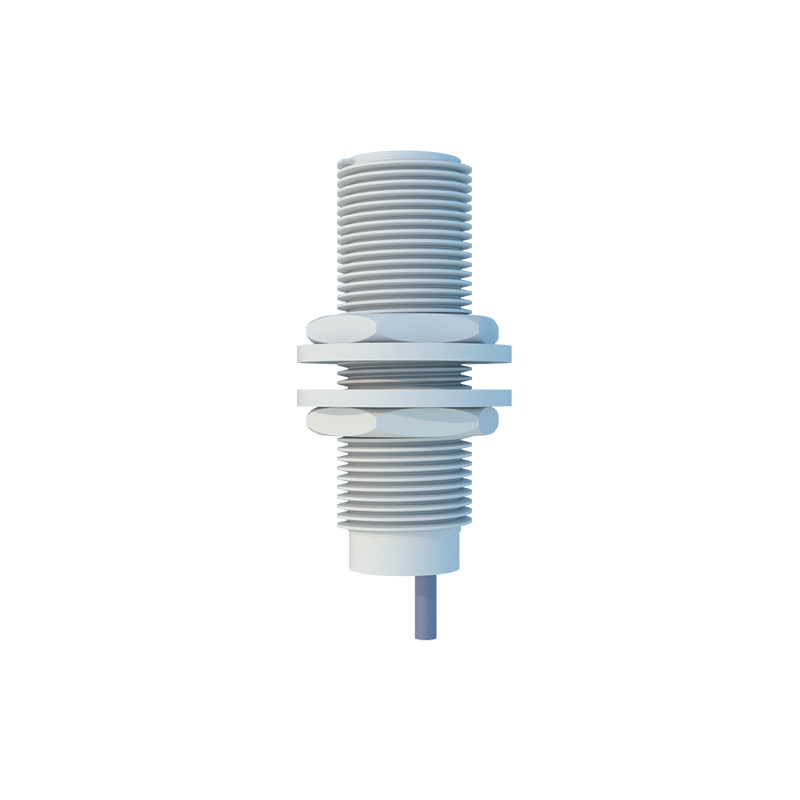
The brand and supply chain ecosystem play a significant role. Established global manufacturers with extensive R&D investments, comprehensive technical support, worldwide certification (e.g., CE, UL), and long-term warranty programs typically have higher price points. Their products are associated with proven reliability and lower total cost of ownership despite a higher initial investment. Conversely, generic or budget-brand sensors offer lower upfront costs but may involve trade-offs in long-term consistency, support, and lifecycle.
Market application dictates the required performance tier, thus influencing budget. In packaging machinery, a moderately priced sensor for presence detection suffices. In semiconductor manufacturing or precision metrology, where nanometer-level stability is non-negotiable, the investment shifts to high-end, calibrated sensor systems. Furthermore, purchasing volume affects unit price, with substantial OEM orders often securing considerable discounts compared to one-off MRO purchases.
In conclusion, laser proximity sensor pricing is a direct reflection of technological sophistication, performance guarantees, and build quality. A thorough evaluation should move beyond the initial purchase price to consider the total cost of ownership, including calibration needs, mean time between failures (MTBF), and integration efficiency. Selecting the right sensor involves aligning technical necessities—range, accuracy, speed, durability—with the project's financial framework to ensure optimal operational ROI and system reliability.