In the realm of industrial automation and control systems, proximity sensing devices stand as fundamental components, enabling machines to "see" and interact with their environment without physical contact. These sensors are the silent workhorses of modern manufacturing, robotics, and safety systems, providing critical data for process control, object detection, and equipment protection. Unlike limit switches that require mechanical contact, proximity sensors detect the presence or absence of an object within a defined sensing range through various non-contact methods, offering superior reliability, speed, and longevity.
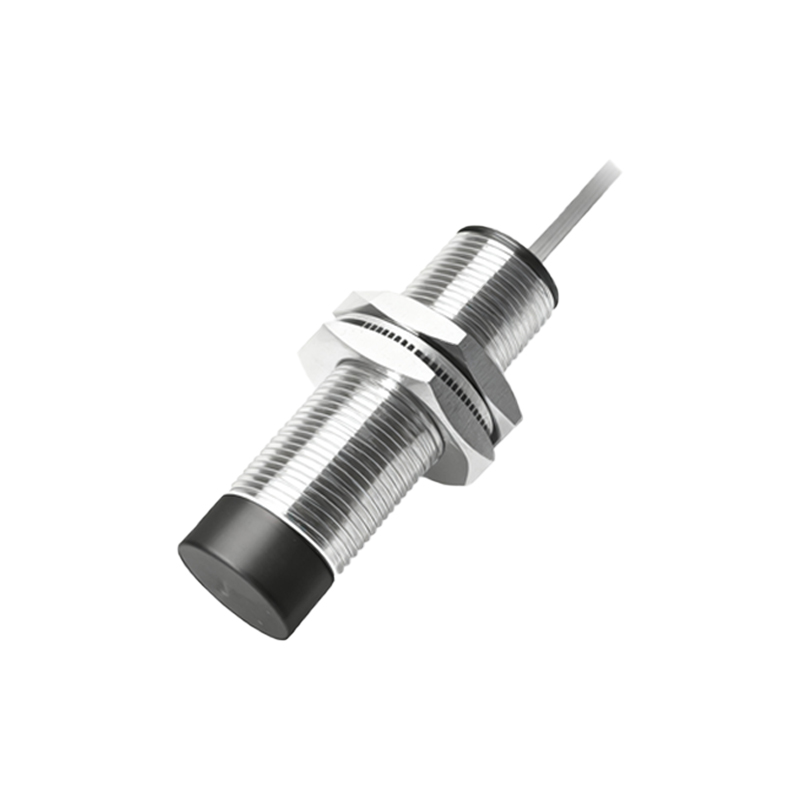
The operational principle of a proximity sensor hinges on the disturbance of an electromagnetic field, acoustic wave, or light beam. The most prevalent types include Inductive, Capacitive, Ultrasonic, and Photoelectric sensors. Inductive proximity sensors are the stalwarts for metal detection. They generate an oscillating electromagnetic field from a coil in the sensing face. When a metallic object enters this field, it induces eddy currents within the target, which dampens the oscillation amplitude. This change is detected by the sensor's circuitry, triggering a solid-state output switch. They are exceptionally robust, immune to environmental contaminants like dust or oil, and ideal for detecting ferrous and non-ferrous metals in harsh industrial settings, such as counting metal parts on a conveyor or verifying the position of a machine tool.
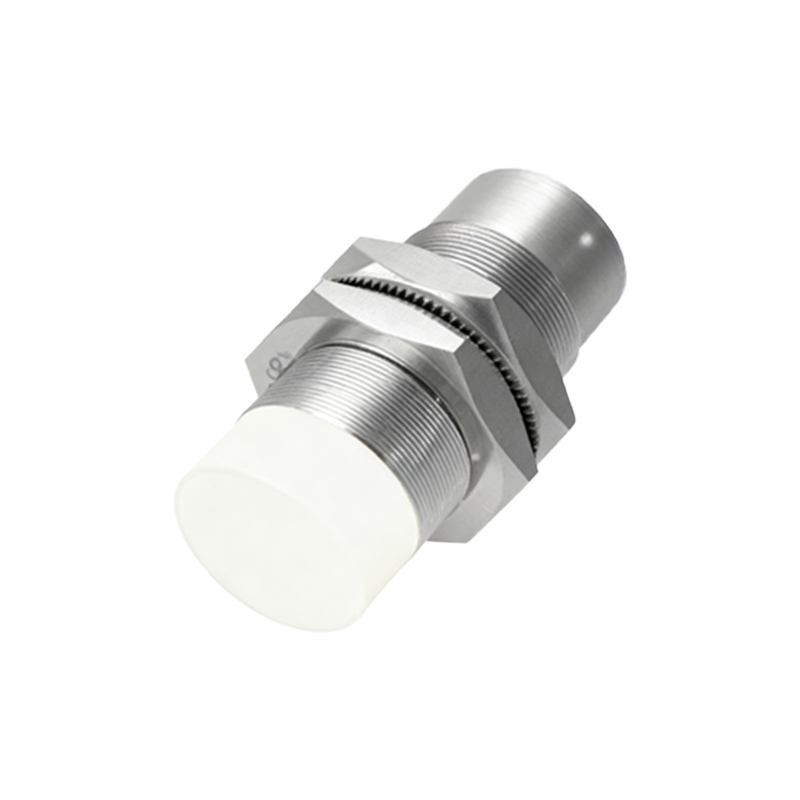
Capacitive proximity sensors, on the other hand, can detect both metallic and non-metallic materials—liquids, plastics, wood, or granules. They function by generating an electrostatic field. Any object with a dielectric constant different from air entering this field alters the sensor's capacitance, triggering the output. This makes them perfect for level detection in tanks (e.g., monitoring liquid or powder levels), detecting filled containers on a line, or sensing non-metallic objects where inductive sensors would fail.
Photoelectric sensors utilize light, typically infrared, visible red, or laser. They consist of an emitter and a receiver. The three main operating modes are through-beam, retro-reflective, and diffuse (proximity) mode. Through-beam models, with separate emitter and receiver units, offer the longest sensing ranges and highest reliability. Retro-reflective types use a single housing and a reflector, while diffuse sensors detect light reflected directly from the target itself. Photoelectric sensors excel in long-range detection, color differentiation, and sensing transparent or small objects, finding applications in packaging, material handling, and assembly verification.
Ultrasonic sensors measure distance or detect presence using sound waves beyond human hearing. They emit high-frequency acoustic pulses and calculate the time for the echo to return. This time-of-flight principle allows them to detect objects regardless of color, transparency, or material (except for sound-absorbing surfaces). They are superb for precise distance measurement, level sensing of bulk solids or liquids, and detecting complex-shaped objects in challenging environments with dust or vapor.
Selecting the right proximity sensor requires a meticulous analysis of the application parameters. Key considerations include: the target material (metal, plastic, liquid); required sensing distance (nominal and practical); environmental conditions (temperature, humidity, presence of contaminants like coolant or chips); output type needed (NPN/PNP, NO/NC, analog); electrical requirements (voltage, current); housing style (cylindrical, rectangular, ruggedized); and response frequency. For instance, a high-speed bottling line would demand a fast-response photoelectric sensor, while a metal stamping press would rely on a heavy-duty inductive sensor.
The integration of these sensors into Industrial IoT and Industry 4.0 frameworks is a significant trend. Modern "smart" sensors come equipped with IO-Link communication, enabling detailed parameter setting, real-time diagnostics, and process data reporting directly to controllers. This facilitates predictive maintenance, remote monitoring, and finer process optimization.
In conclusion, proximity sensing devices are indispensable for creating intelligent, efficient, and safe automated systems. From the simple inductive sensor ensuring a robotic gripper has picked up a part, to a complex array of ultrasonic sensors guiding an autonomous mobile robot, their role is pivotal. Understanding their distinct operating principles and carefully matching their capabilities to the application's demands is crucial for any engineer designing robust and reliable automation solutions. Their continued evolution towards greater intelligence, connectivity, and robustness will further drive the capabilities of advanced manufacturing and beyond.