In the intricate dance of modern automation, where machines perform with balletic precision, there exists a class of silent, unseen sentinels. Proximity sensor switches, often simply called proximity sensors, are these fundamental components. They operate without physical contact, detecting the presence or absence of an object within their field of view, and triggering a control signal. This simple yet profound action forms the bedrock of countless industrial processes, safety systems, and everyday conveniences.
Unlike mechanical limit switches that require a physical bump or push, proximity sensors work on various non-contact principles. The most common types include inductive, capacitive, ultrasonic, and photoelectric sensors. Inductive sensors are the workhorses of metal detection. They generate an electromagnetic field; when a metallic object enters this field, it causes a change in the field's oscillation, which the sensor detects. This makes them ideal for counting metal parts on a conveyor, determining the position of a robotic arm, or confirming a machine door is securely closed in a factory.
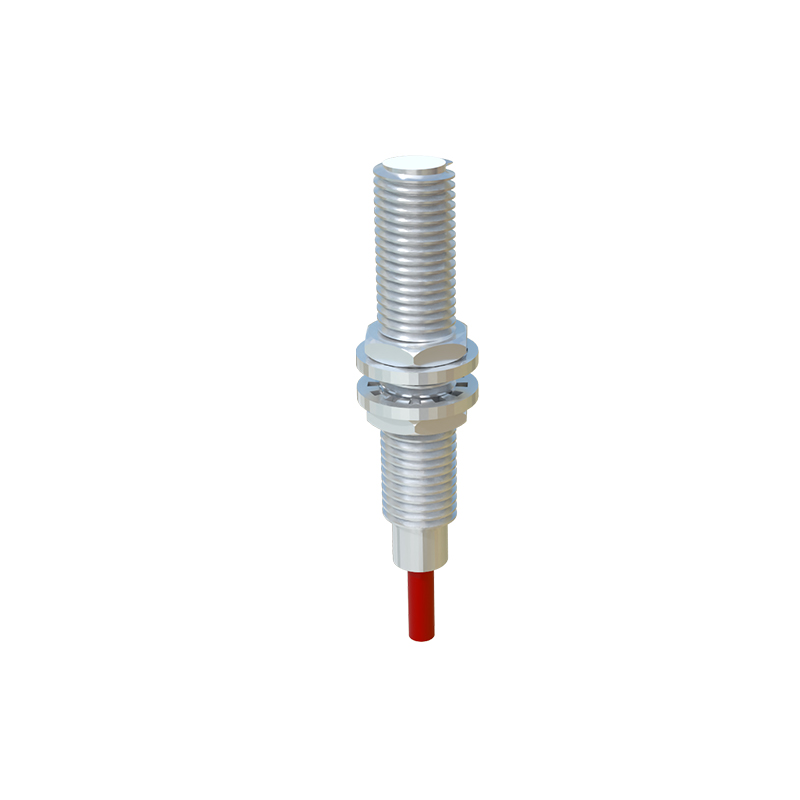
Capacitive sensors, on the other hand, can detect both metallic and non-metallic materials—liquids, plastics, wood, and even granular substances. They function by measuring changes in capacitance. When any object with a dielectric constant different from air approaches the sensor's active surface, it alters the capacitance of the circuit, triggering the switch. This capability is invaluable in level detection for tanks containing liquids or powders, or in packaging lines handling plastic or glass bottles.
The applications are staggeringly diverse. In automotive manufacturing, arrays of inductive sensors ensure robotic welders are in the correct position before firing. In the food and beverage industry, capacitive sensors monitor fill levels without contaminating the product. Photoelectric sensors, which use light beams, can detect tiny components on fast-moving assembly lines. Beyond heavy industry, they are embedded in everyday life: the automatic faucet that activates when hands are presented, the smartphone screen that turns off when held to the ear, or the anti-pinch feature in power windows that reverses direction upon detecting an obstacle.
The advantages of using proximity switches are compelling. Their non-contact nature means no wear and tear from mechanical actuation, leading to exceptionally long service life and reduced maintenance. They are highly reliable, capable of operating millions of cycles without failure. Their response speed is extremely fast, suitable for high-speed counting and positioning tasks where mechanical switches would be too slow. Furthermore, they are generally sealed and robust, resistant to dust, moisture, and vibration, thriving in harsh industrial environments where other switches might falter.
Selecting the right proximity sensor requires careful consideration of several factors. The key parameters include sensing distance (the maximum range at which it can reliably detect a standard target), the target material (metal, plastic, liquid), the output type (typically a discrete NPN or PNP transistor signal for programmable logic controllers), and the environmental conditions (temperature, presence of chemicals, or washdown requirements). Installation is also critical; sensors must be properly mounted and spaced to avoid mutual interference, especially when multiple units are used in close proximity.
As Industry 4.0 and the Industrial Internet of Things (IIoT) advance, proximity sensors are becoming smarter. Modern variants come with integrated IO-Link communication, allowing them to transmit not just a simple on/off signal, but also diagnostic data like operating temperature, signal strength, and even warnings about potential contamination on the sensing face. This predictive maintenance capability transforms them from simple switches into intelligent nodes within a networked system, helping to prevent unplanned downtime.
From ensuring the relentless efficiency of a production line to providing subtle enhancements in consumer electronics, proximity sensor switches are truly the invisible guardians. They perform a critical, albeit unseen, function—converting physical presence into actionable electronic data. As automation grows more sophisticated, the demand for these reliable, versatile, and increasingly intelligent devices will only continue to expand, solidifying their role as indispensable components in our automated world.