Proximity sensors are fundamental components in modern industrial automation, robotics, and countless electronic devices. Their primary function is to detect the presence or absence of an object within a specific range without physical contact. A critical application of this technology is acting as a limit switch or providing limit control. Understanding the principle behind how proximity sensors function as limits is essential for engineers, technicians, and automation professionals.
At its core, a proximity sensor limit works by establishing a predefined detection boundary. When a target object enters or exits this boundary, the sensor's output state changes. This change in state—typically a switch from high to low voltage (or vice versa) in electronic sensors, or a change in output signal in other types—is interpreted by a control system as a "limit" being reached. This signal is then used to halt a motion, initiate a sequence, trigger an alarm, or provide positional feedback. For instance, in a linear actuator, a proximity sensor placed at the end of its travel path will detect the actuator's armature and send a signal to the motor controller to stop, preventing mechanical overtravel and potential damage.
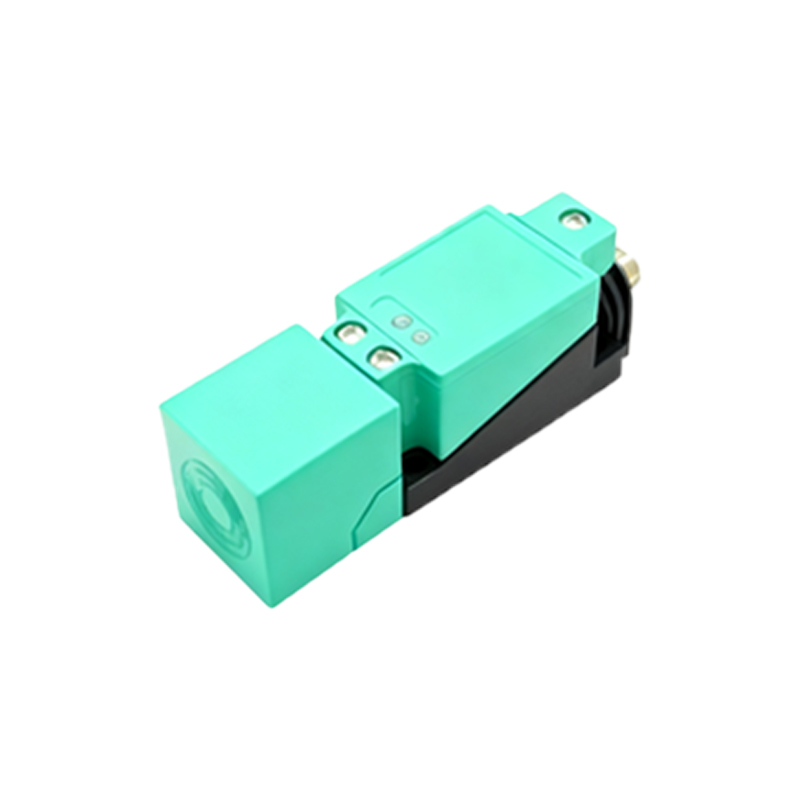
The principle varies slightly depending on the underlying sensing technology. The most common types used for limit applications are inductive, capacitive, and photoelectric sensors.
Inductive proximity sensors are widely used for detecting metallic objects. Their operating principle is based on electromagnetic induction. The sensor generates an oscillating electromagnetic field from its face. When a ferrous or non-ferrous metal target enters this field, eddy currents are induced in the target. This causes a change in the amplitude of the oscillation within the sensor's coil. An internal circuit monitors this amplitude and triggers a solid-state output switch when a threshold is crossed. This makes them ideal for harsh industrial environments as they are immune to dust, oil, and non-metallic debris. A common limit application is in machine tools to detect the position of a metal slide or carriage.
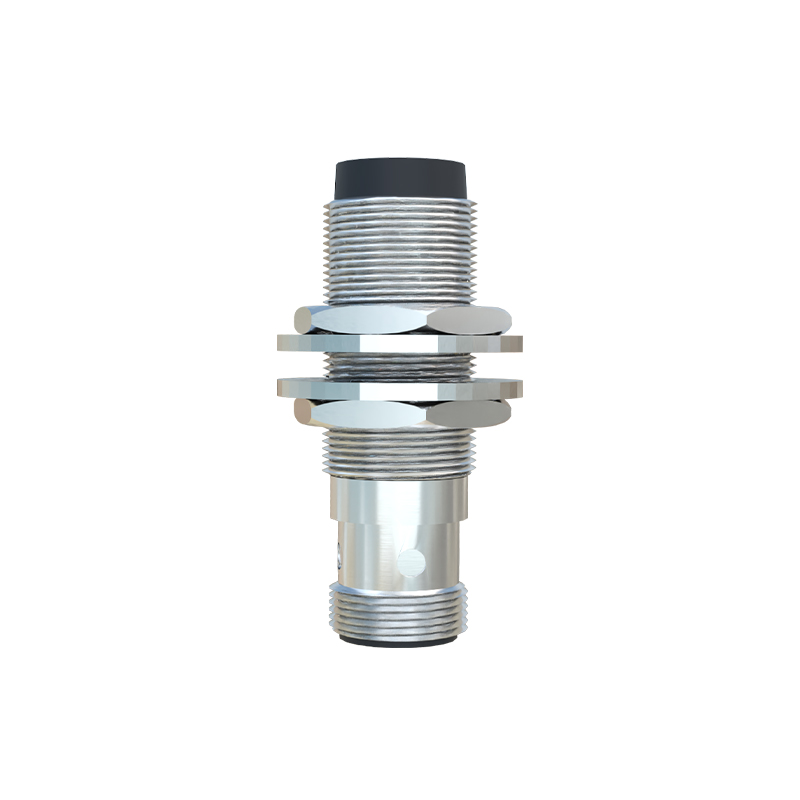
Capacitive proximity sensors can detect both metallic and non-metallic materials, including liquids, plastics, and wood. They function by generating an electrostatic field. The sensor and the target act as two plates of a capacitor. As the target approaches the sensing face, the capacitance of the system increases. An internal oscillator starts when the capacitance reaches a preset level, triggering the output change. This principle is often used as a limit control in material handling, for example, to detect the full level of a plastic or glass container on a conveyor, signaling the conveyor to stop for filling or unloading.
Photoelectric sensors operate on the principle of light beam modulation. They consist of an emitter (light source) and a receiver. In the through-beam type, the emitter and receiver are separate; an object breaking the light beam acts as the limit trigger. In the retro-reflective type, the sensor uses a reflector, and the limit is triggered when the target interrupts the beam. Diffuse sensors rely on light reflected directly from the target. These sensors are excellent for long-range detection and are frequently used as limit switches in packaging machinery, elevator systems, and automated gates to detect the presence or precise position of objects.
The reliability of a proximity sensor as a limit depends on several factors. Hysteresis is a crucial concept here. It is the difference between the operating point (when the target approaches and the sensor activates) and the release point (when the target moves away and the sensor deactivates). This built-in hysteresis prevents output "chatter" or rapid on/off switching if the target were to hover right at the detection boundary, ensuring a clean, stable limit signal. Repeatability, or the sensor's ability to consistently detect the target at the same distance, is vital for precision limit applications.
Furthermore, the choice of sensing distance, environmental conditions (temperature, contaminants), and the target material's properties (size, shape, material) must be carefully considered to ensure the limit function is robust. Shielding also plays a role; shielded inductive sensors can be flush-mounted in metal, making them neat and protected, while unshielded types offer longer sensing ranges.
In programmable logic controller (PLC) systems and other control architectures, the signal from a proximity limit sensor is a critical digital input. It forms the basis for safety interlocks, sequence control, and positional verification. By providing a non-contact, wear-free alternative to mechanical limit switches, proximity sensors enhance system reliability, reduce maintenance, and enable higher operational speeds.
In summary, the limit principle of a proximity sensor is an elegant application of electromagnetic, electrostatic, or optical physics. It translates the physical presence of an object at a precise location into a definitive electrical command, forming an invisible, reliable boundary for automated systems. This principle is indispensable for ensuring operational safety, precision, and efficiency across a vast spectrum of modern technology.
SEO描述