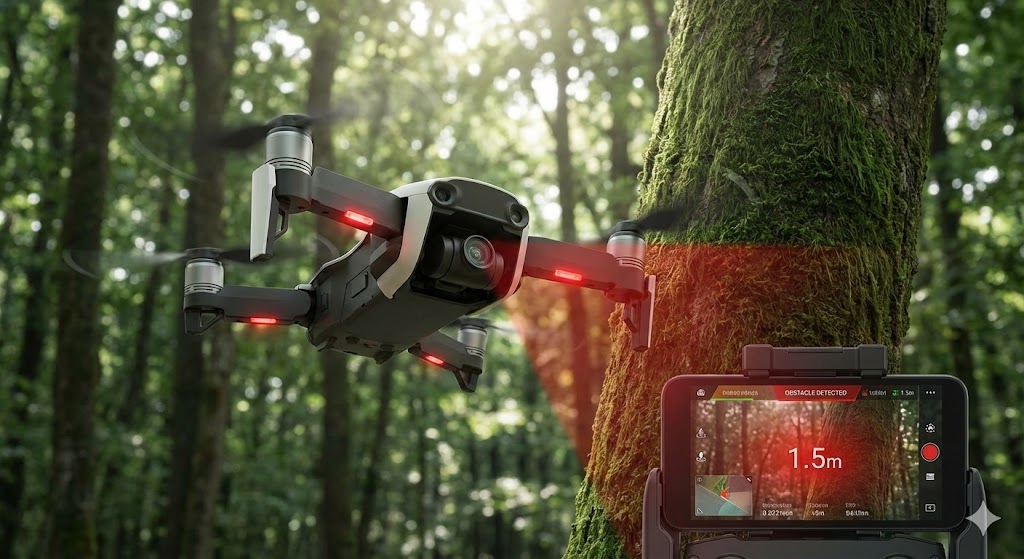
In the realm of industrial automation and precision engineering, Shehong laser distance sensors have emerged as a critical component for accurate, non-contact measurement. These sensors utilize laser technology to determine the distance between the sensor and a target object with exceptional precision. The fundamental operating principle is based on the time-of-flight (ToF) method or phase-shift analysis. In the ToF method, the sensor emits a short laser pulse towards the target. The time taken for the reflected pulse to return to the sensor's receiver is precisely measured. Since the speed of light is a known constant, the distance can be calculated using the formula: Distance = (Speed of Light × Time of Flight) / 2. Phase-shift sensors, on the other hand, emit a continuous modulated laser beam. The distance is derived by analyzing the phase difference between the emitted and reflected waves. This method often provides higher resolution for shorter distances.
The applications for Shehong laser sensors are vast and span numerous industries. In manufacturing and assembly lines, they are indispensable for precise positioning, height detection, and contour profiling. For instance, in robotic arms, these sensors ensure accurate pick-and-place operations by continuously monitoring the distance to components on a conveyor belt. The logistics and warehousing sector relies heavily on them for palletizing, dimensioning packages, and controlling automated guided vehicles (AGVs). In the construction industry, they facilitate alignment, monitoring structural deformations, and volume calculations. Furthermore, they play a vital role in automotive testing for gap and flush measurement, and in aerospace for component inspection.

Several key specifications define the performance and suitability of a Shehong laser distance sensor for a given task. The measuring range is paramount, with models available from a few centimeters up to several hundred meters. High-end industrial models typically offer ranges between 0.05m to 30m or more. Accuracy and resolution are equally critical. Modern Shehong sensors can achieve accuracies in the sub-millimeter range (e.g., ±0.1mm) and resolutions down to micrometers. The response time or measurement frequency determines how quickly the sensor can update its reading, which is crucial for high-speed processes. Other important factors include the laser class (usually Class 2 for eye safety), the type of output signal (analog 4-20mA, 0-10V, or digital interfaces like RS-232, RS-485, Ethernet/IP, PROFINET), environmental protection rating (IP67 for dust and water resistance), and the ability to handle different surface materials and colors, which can affect reflectivity.
When integrating a Shehong laser sensor into a system, careful consideration must be given to the installation environment. Factors such as ambient light, dust, fog, or steam can interfere with the laser beam. Many Shehong models incorporate background suppression filters and robust housings to mitigate these issues. The choice of mounting position and angle is also critical to avoid specular reflections from shiny surfaces, which can cause erroneous readings. For optimal performance on difficult surfaces—like dark, absorbent materials or transparent objects—specialized models with higher laser power or diffuse reflection technology are recommended. Regular calibration and maintenance, as per the manufacturer's guidelines, ensure long-term stability and accuracy.
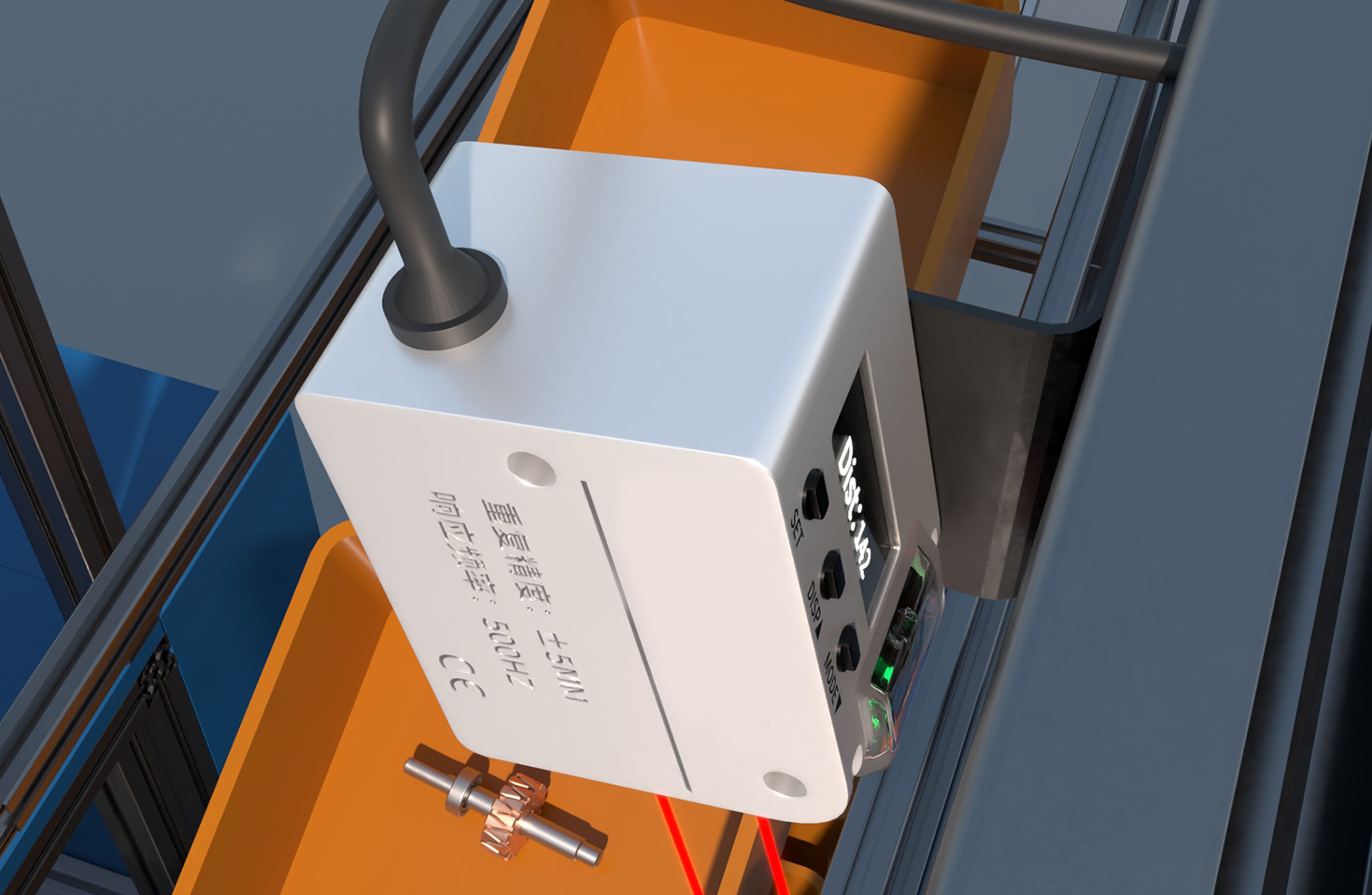
The future trajectory for Shehong laser distance sensors points towards even greater integration, intelligence, and miniaturization. The convergence with Industrial Internet of Things (IIoT) platforms is a significant trend. Sensors are increasingly equipped with advanced digital interfaces and embedded intelligence for predictive maintenance, data logging, and direct cloud connectivity. This enables real-time monitoring and analytics across entire production facilities. Furthermore, advancements in laser diode and receiver technology continue to push the boundaries of accuracy, speed, and range, while reducing the physical footprint and power consumption. The development of multi-function sensors that combine distance measurement with other parameters like temperature or profile scanning is also on the rise.
In conclusion, Shehong laser distance sensors represent a mature yet rapidly evolving technology that is foundational to modern industrial measurement and control. Their non-contact nature, high speed, and remarkable precision make them irreplaceable in applications demanding reliable spatial data. For engineers and system integrators, selecting the correct sensor model involves a thorough analysis of the application requirements, environmental conditions, and desired communication protocols. By leveraging the capabilities of these sophisticated devices, industries can achieve higher levels of automation, quality control, and operational efficiency, solidifying their role as a cornerstone of smart manufacturing and beyond.