In the realm of industrial automation, the reliability and precision of sensing technology are paramount. Among the diverse array of sensors available, the 40-slot metal sensing proximity switch sensor stands out as a critical component for applications requiring high-speed, non-contact detection of metallic objects. This article delves into the technical specifications, operational principles, application scenarios, and selection criteria for these specialized sensors, providing a detailed guide for engineers and system integrators.
A 40-slot metal sensing proximity switch sensor is an inductive proximity sensor distinguished by its unique housing design, which features 40 longitudinal slots or grooves. This design is not merely aesthetic; it serves a crucial functional purpose. The slotted metal barrel, typically constructed from nickel-plated brass or stainless steel, provides enhanced physical protection against impacts, abrasion, and torsional forces in harsh industrial environments. More importantly, this design mitigates the effects of surrounding metals—a phenomenon known as the "shielding effect." In standard cylindrical sensors, nearby metallic mounting fixtures or machine frames can interfere with the sensor's electromagnetic field, reducing its effective sensing range. The slots in a 40-slot design interrupt the flow of eddy currents induced in the sensor's own housing, thereby minimizing this interference and allowing for flush or near-flush installation in metal brackets without significant loss of performance.
The core operating principle remains based on electromagnetic induction. The sensor generates a high-frequency oscillating electromagnetic field from its active face. When a ferrous or non-ferrous metal target enters this field, eddy currents are induced within the target, causing a change in the oscillation amplitude. The sensor's internal circuitry detects this change and triggers a solid-state output switch (typically PNP or NPN, sourcing or sinking). The "40-slot" variant excels in applications where mounting space is constrained and the sensor must be installed directly into a metal drill bush or mounting hole. Its reduced lateral sensing zone ensures it responds primarily to targets in front of it, not to the metal alongside it.
Key technical parameters define the suitability of a 40-slot sensor for a given task. The sensing distance, or nominal range (Sn), is critical. For a standard M30 (30mm diameter) 40-slot sensor, this typically ranges from 10mm to 15mm for steel targets, though it is reduced for non-ferrous metals like aluminum or copper. The repeat accuracy, often within 1-2% of Sn, ensures consistent triggering. Operating frequency, or switching frequency, indicates how many on/off cycles per second the sensor can handle, a vital factor for high-speed counting or sorting lines. Robust models offer IP67 or IP68 ingress protection ratings, ensuring functionality despite exposure to coolants, oils, dust, and temporary immersion. The temperature range, commonly from -25°C to +70°C, defines their operational environment limits. Voltage ratings are usually wide, such as 10-30V DC, compatible with standard PLC input modules.
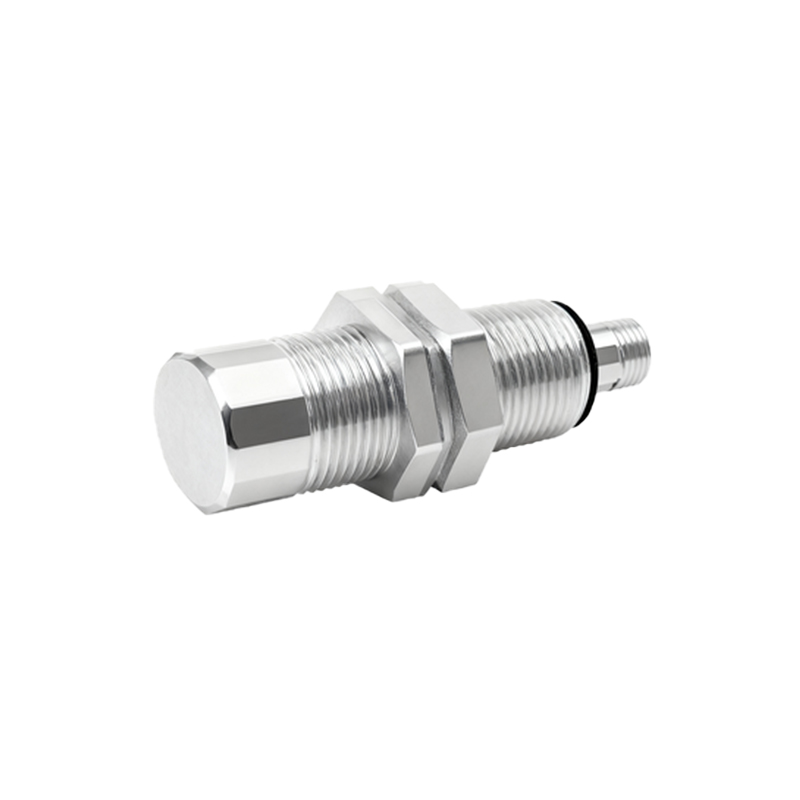
Application areas for 40-slot inductive proximity sensors are extensive. They are indispensable in metal machining centers for tool breakage detection, part presence verification in fixtures, and end-of-stroke positioning on hydraulic or pneumatic cylinders. In automated assembly lines, they monitor the passage of pallets, detect piston positions in actuators, and control robotic gripper operations. The packaging industry utilizes them for detecting metallic components on high-speed fillers and cappers. Their rugged design makes them ideal for heavy machinery, material handling equipment, and automotive manufacturing plants where shock, vibration, and contaminant exposure are daily challenges.
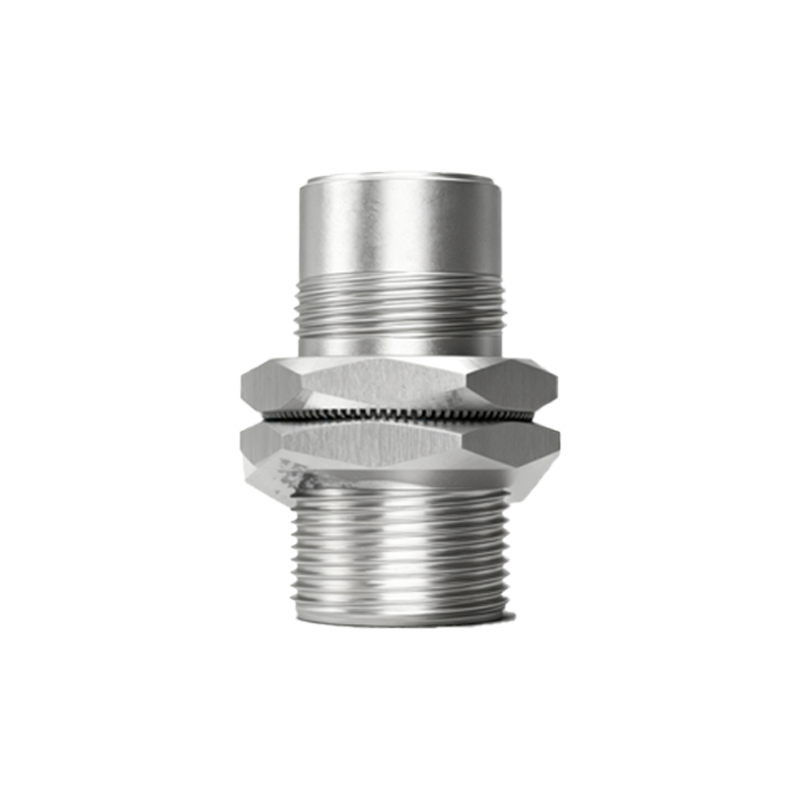
Selecting the correct 40-slot sensor requires careful consideration. First, identify the target material (steel, stainless steel, aluminum, brass) and factor in the corresponding reduction factor, which adjusts the effective sensing distance. The required sensing distance should be chosen with a safety margin, typically 70-80% of the nominal range, to account for mechanical tolerances and temperature drift. The electrical output type must match the control system's input card (e.g., 3-wire PNP for PLC sinking inputs, NPN for sourcing). The housing material should be selected based on the environment: stainless steel for corrosive or washdown areas, nickel-plated brass for general factory use. Finally, connection style—cable exit, quick-disconnect (M12 connector), or axial/cable—should be chosen for ease of installation and maintenance.
Installation and maintenance best practices are straightforward but essential. Ensure the sensor is mounted securely, paying attention to the recommended tightening torque to avoid damaging the housing. Maintain the specified lateral and axial clearance from surrounding metals as per the datasheet, even with the shielded design. Regularly clean the sensing face of accumulated debris, metal chips, or grease that could attenuate the magnetic field. For diagnostics, a simple LED indicator on the sensor