In industrial settings where flammable gases, vapors, or combustible dusts are present, the margin for error is exceptionally thin. A single spark or excessive heat from standard electrical equipment can trigger catastrophic events. This is where explosion-proof proximity sensor platforms become not just advantageous but essential. These specialized systems are engineered to detect the presence or absence of objects within a defined range without physical contact, all while containing any potential ignition source within their robust housings to prevent an external explosion.
The core principle behind explosion-proof design is containment. Unlike simple intrinsic safety barriers that limit energy, explosion-proof enclosures are built to withstand an internal explosion of specific gases or dusts and prevent the ignition from propagating to the surrounding hazardous atmosphere. These housings, typically crafted from durable materials like stainless steel or copper-free aluminum, feature precisely machined flanges and threads. These joints are designed to cool any hot gases escaping from an internal fault below the ignition temperature of the external environment, effectively quenching the flame. Proximity sensors integrated into such platforms—whether inductive, capacitive, or photoelectric—must be meticulously certified for use in specific hazardous location classifications.
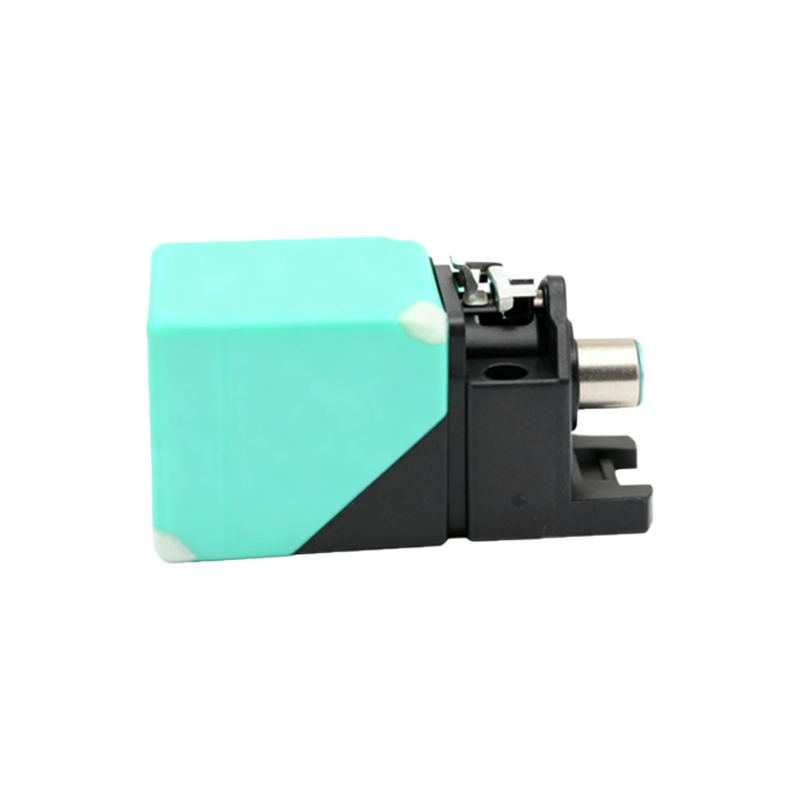
The applications for these robust sensing solutions are vast and critical. In oil and gas refineries, they monitor valve positions, tank levels, and equipment alignment on drilling rigs and processing plants. Chemical manufacturing facilities rely on them for automated control in areas where volatile solvents are handled. Grain elevators and flour mills, where combustible dust clouds are a constant risk, utilize these sensors to oversee conveyor systems and silo levels. Even in pharmaceutical production or wastewater treatment plants where certain zones may be classified as hazardous, explosion-proof proximity sensors provide reliable, maintenance-free operation.
Selecting the appropriate platform involves careful consideration of several technical and regulatory factors. First, the hazardous area classification must be determined: Class I (flammable gases/vapors), Class II (combustible dusts), or Class III (ignitable fibers). Within these classes, Division (or Zone in international standards) defines the likelihood of the hazardous material being present. The sensor's temperature rating (T-Code) is equally crucial, ensuring its surface temperature will never reach the auto-ignition point of the specific gases or dusts in the area. Common certifications include ATEX (Europe), IECEx (International), and UL/CSA (North America). Beyond safety ratings, performance parameters like sensing range, output type (PNP/NPN, analog, IO-Link), and environmental protection (IP rating) must align with the application's operational demands.
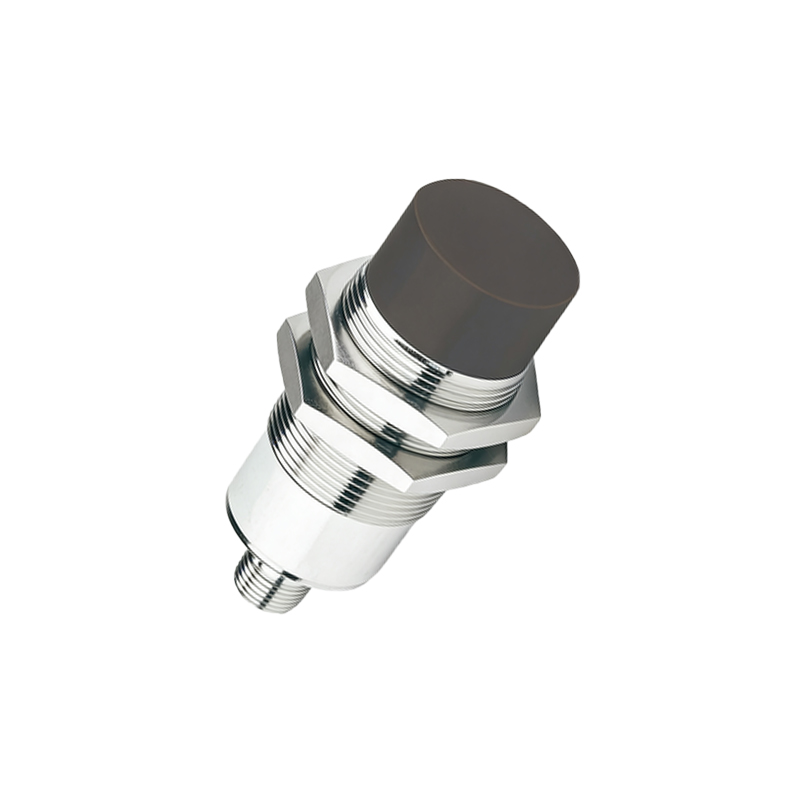
Modern advancements are pushing the capabilities of these platforms further. The integration of smart sensor technology with digital communication protocols like IO-Link allows for detailed condition monitoring and predictive maintenance. Users can remotely access diagnostic data such as signal strength, operating temperature, and switch cycle counts, enabling proactive interventions before failures occur. Furthermore, designs are evolving to be more compact and lightweight without compromising safety, easing installation in space-constrained areas. Enhanced materials and coatings also improve resistance to corrosive chemicals commonly found in harsh industrial environments.
Implementing an explosion-proof proximity sensor system requires a holistic approach. Proper installation by qualified personnel, following all manufacturer guidelines and national electrical codes, is paramount. Conduit seals must be correctly installed to prevent the passage of gases. Regular inspection and maintenance, as dictated by the safety plan, ensure the integrity of the explosion-proof seals and housing over time. It is a system where every component—from the sensor head and cable gland to the enclosure and wiring—plays a role in maintaining the overall safety barrier.
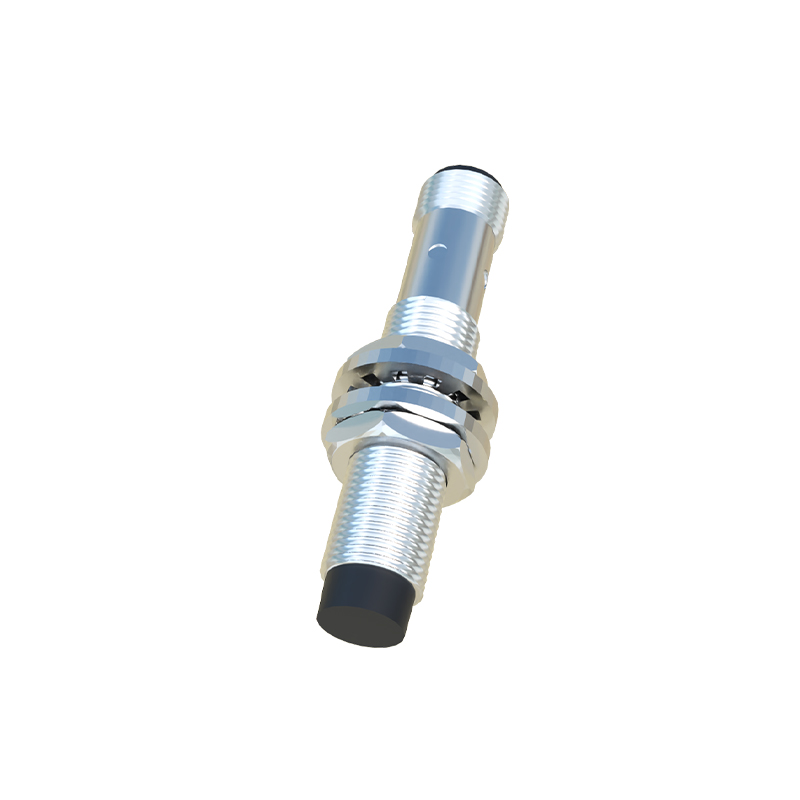
Ultimately, explosion-proof proximity sensor platforms represent a critical investment in operational safety, asset protection, and personnel welfare in hazardous locations. They enable the automation and precise monitoring necessary for modern industrial efficiency while providing the fundamental safeguard against ignition risks. By understanding the rigorous engineering, strict certifications, and proper application practices behind these devices, engineers and facility managers can make informed decisions that uphold the highest safety standards, ensuring reliable and secure operations in some of the world's most challenging workplaces.