In industrial automation, logistics, and robotics, laser distance sensors have become indispensable tools for precise measurement and object detection. However, a persistent and often underestimated problem plagues these systems: entanglement. This issue goes beyond simple wire management; it refers to any situation where the sensor's functionality is impeded by physical interference from external elements like cables, hoses, debris, or even environmental factors, leading to inaccurate readings, operational failure, or damage.
The core of the problem lies in the sensor's operational principle. A laser distance sensor, whether time-of-flight (ToF) or triangulation-based, relies on an unobstructed path for its emitted laser beam and the reception of its reflection. Any foreign material crossing this path can scatter, absorb, or reflect the light prematurely. When cables from adjacent machinery, loose wiring harnesses, or dangling pneumatic hoses swing into the sensor's field of view, they create false targets. The sensor may then measure the distance to the cable instead of the intended object, causing critical errors in positioning, level control, or collision avoidance.

Entanglement risks are particularly high in dynamic environments. On robotic arms, the sensor's own cabling can snag on protrusions during complex movements, potentially tearing wires or wrenching the sensor from its mount. In automated guided vehicles (AGVs) or mobile robots, sensors mounted at low heights for obstacle detection are vulnerable to being draped with plastic film, shredded pallet wrap, or loose debris from the floor. This not only blinds the sensor but can also physically drag the material into the vehicle's mechanics.
Environmental factors present another form of "entanglement." Heavy dust, steam, or smoke can attenuate the laser beam, reducing its effective range and signal strength. While not a physical wrap, this environmental interference tangles the signal itself, leading to dropout or noisy data. Similarly, intense ambient light from welding arcs or direct sunlight can overwhelm the sensor's receiver, effectively blinding it.
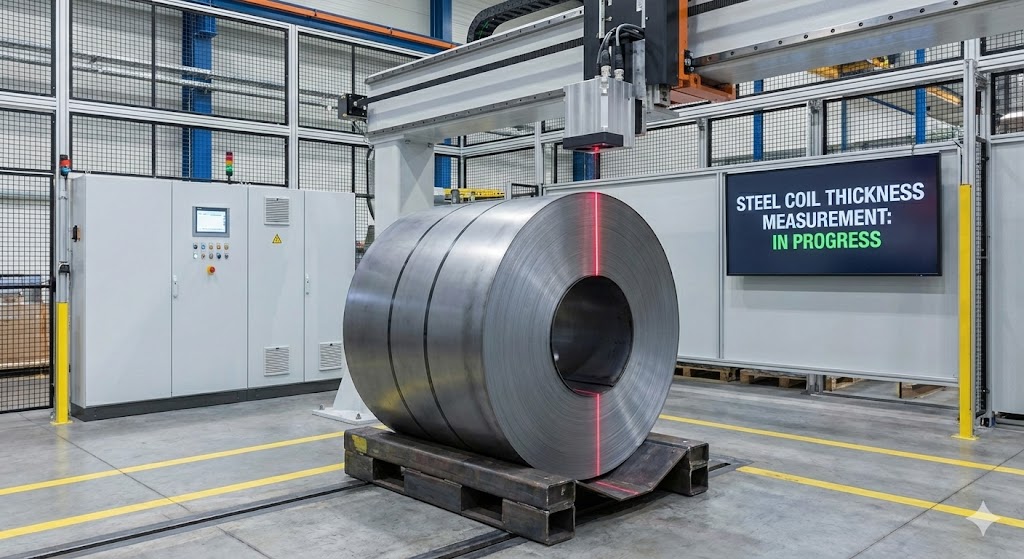
Addressing sensor entanglement requires a multi-layered approach, starting with mechanical design and installation. Proper cable management is paramount. Using braided sleeve conduits, spiral wrap, or cable carriers to secure all wiring and hoses away from the sensor's line-of-sight is the first defense. Sensors should be mounted in locations that minimize exposure to moving parts and debris streams. Protective housings or custom brackets can shield the sensor face while maintaining its field of view. For sensors on moving arms, ensuring service loops and strain relief are correctly designed prevents self-inflicted cable damage.

Selecting the right sensor for the environment is equally crucial. For areas with airborne particulates, sensors with higher IP (Ingress Protection) ratings, such as IP67 or IP69K, offer resistance to dust and water jets. Some models feature built-in air purge ports, allowing a constant flow of clean air to keep the lens clear of dust and mist. In environments with high ambient light, choosing a sensor with a modulated laser and a narrow optical filter can significantly improve immunity to interference.
Operational and software strategies provide the final layer of defense. Implementing routine inspection and cleaning schedules prevents the gradual buildup of material. In software, many sensors and their associated PLCs allow for the configuration of "blind" zones or data filtering algorithms. These can ignore readings from known static obstructions (like a support beam) or filter out transient, improbable measurements caused by a passing piece of debris. For critical safety applications, such as AGVs, using sensor redundancy—where multiple sensors cross-verify data—can ensure the system remains operational even if one sensor is temporarily compromised.
Proactive maintenance and operator training complete the solution. Personnel should be trained to recognize entanglement hazards and perform basic visual checks. A log of entanglement incidents can help identify recurring patterns and guide permanent engineering fixes.
Ultimately, viewing laser distance sensors not as isolated components but as integral parts of a physical system is key. By anticipating the challenges of cables, debris, and a harsh environment through thoughtful design, selection, and procedure, the high precision and reliability promised by laser distance technology can be fully realized, free from the costly and dangerous snags of entanglement.