In the realm of industrial automation and precision engineering, accurate distance measurement is not merely a convenience—it is a fundamental requirement for efficiency, safety, and quality control. Among the various technologies available, laser distance sensors have emerged as a superior solution, offering unparalleled accuracy, speed, and versatility. Zhishi, a prominent name in the field of industrial sensing technology, has developed a range of laser distance sensors that stand at the forefront of this innovation, catering to diverse and demanding applications.
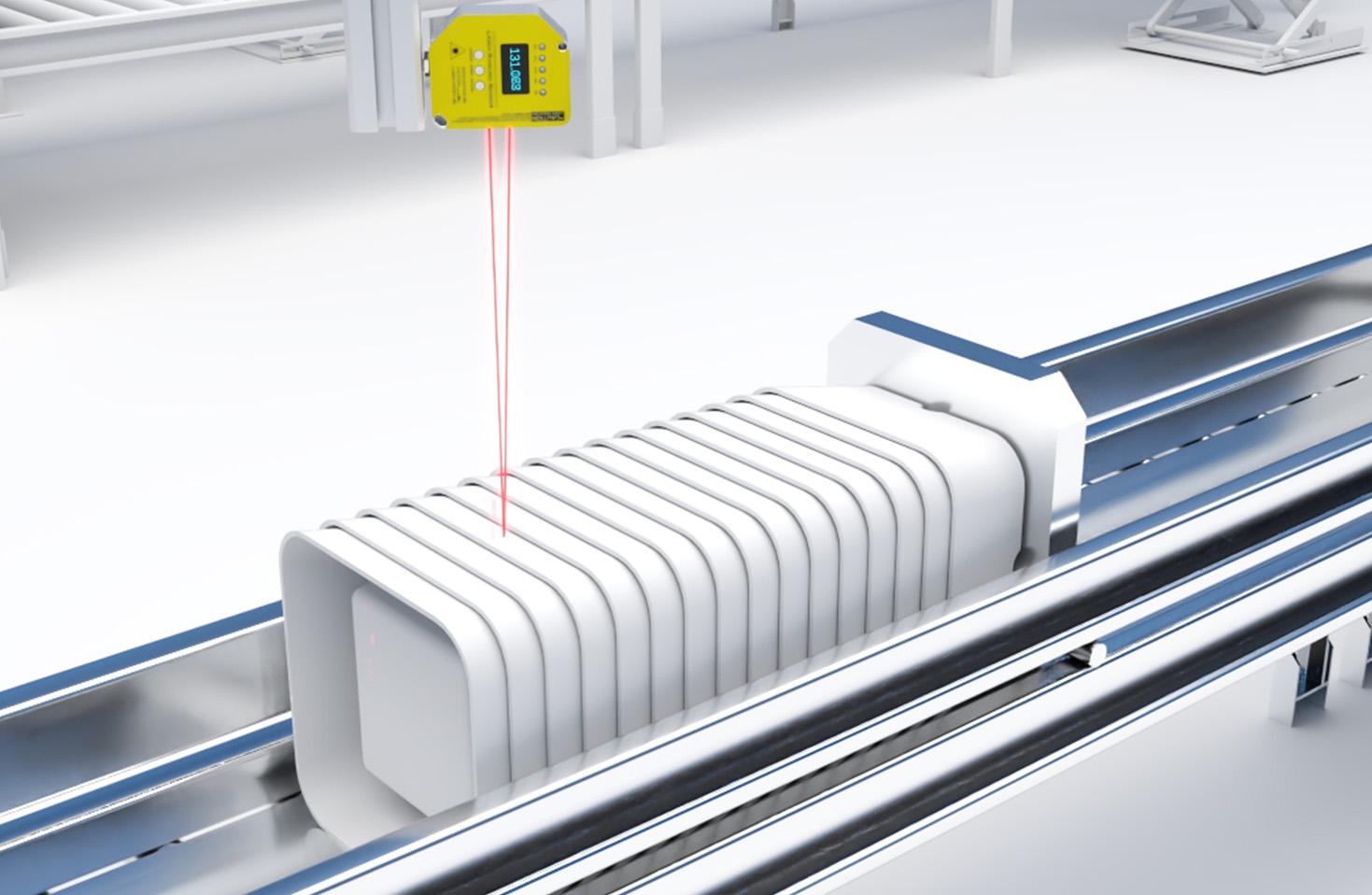
The core principle behind Zhishi laser distance sensors is based on the time-of-flight (ToF) or phase-shift measurement of laser light. A laser diode emits a focused beam of light towards a target. The sensor then precisely measures the time it takes for the reflected light to return to the detector. Given the constant speed of light, this time interval is directly proportional to the distance to the target. This method allows Zhishi sensors to achieve remarkable measurement accuracies, often within sub-millimeter ranges, even over considerable distances. The non-contact nature of this technology is a critical advantage, eliminating mechanical wear and tear and enabling measurements on sensitive, hot, moving, or otherwise inaccessible surfaces.
Zhishi laser sensors are engineered for robustness and reliability in harsh industrial environments. They typically feature rugged housings with high IP ratings (such as IP67), making them resistant to dust, water, and oil ingress. This durability ensures consistent performance in settings like manufacturing floors, outdoor logistics yards, and heavy machinery applications. Furthermore, many models incorporate advanced temperature compensation algorithms. Industrial environments are prone to thermal fluctuations, which can affect the speed of light and sensor electronics. Zhishi's compensation technology automatically corrects for these variations, guaranteeing stable and accurate readings across a wide operating temperature range.

The applications for Zhishi laser distance sensors are vast and varied. In automated production lines, they are indispensable for precise positioning of robotic arms, controlling assembly processes, and verifying component dimensions. In the logistics and warehousing sector, these sensors facilitate automated guided vehicle (AGV) navigation, pallet height measurement, and inventory management. In the construction industry, they are used for alignment, leveling, and monitoring structural deformations. Additional applications include roll diameter measurement in paper and textile mills, fill level control in silos and tanks, and defect detection by profiling surface contours.
Integration into modern industrial systems is seamless with Zhishi sensors. They offer multiple output options, including analog voltage/current signals (0-10V, 4-20mA), digital interfaces like RS-232, RS-485, and increasingly, industrial Ethernet protocols (EtherNet/IP, PROFINET) and IO-Link for smart sensor communication. This flexibility allows them to connect effortlessly with PLCs (Programmable Logic Controllers), HMIs (Human-Machine Interfaces), and broader SCADA (Supervisory Control and Data Acquisition) systems. The intuitive configuration software provided by Zhishi enables engineers to easily set parameters such as measurement range, response time, and output scaling, tailoring the sensor to specific task requirements.

When selecting a Zhishi laser distance sensor, several key specifications must be considered. The *measuring range* defines the minimum and maximum distances the device can handle effectively. The *accuracy* and *resolution* specify the precision of the measurement. The *laser class* (typically Class 2 or Class 2M, which are eye-safe under normal operating conditions) is crucial for workplace safety. The *response time* or measurement rate determines how quickly the sensor can update its reading, which is vital for high-speed processes. Finally, the *target properties*—such as color, material, and surface texture—can influence the sensor's performance, though Zhishi sensors are designed with strong background suppression and diffuse reflection capabilities to handle a wide variety of surfaces.
Looking ahead, the evolution of Zhishi laser distance sensors is aligned with Industry 4.0 trends. Future developments will likely emphasize even greater miniaturization, enhanced data processing capabilities directly at the sensor level (edge computing), and more sophisticated connectivity for the Industrial Internet of Things (IIoT). These advancements will further empower predictive maintenance, real-time analytics, and fully adaptive manufacturing systems.
In conclusion, Zhishi laser distance sensors represent a critical technological asset for modern industry. By delivering non-contact, high-precision, and reliable distance measurements, they solve complex challenges across automation, quality assurance, and process optimization. Their robust design, environmental resilience, and system integration flexibility make them a trusted choice for engineers seeking to enhance operational precision and drive innovation in their respective fields. As industrial demands grow more stringent, the role of precise measurement tools like those from Zhishi will only become more central to achieving excellence in manufacturing and beyond.