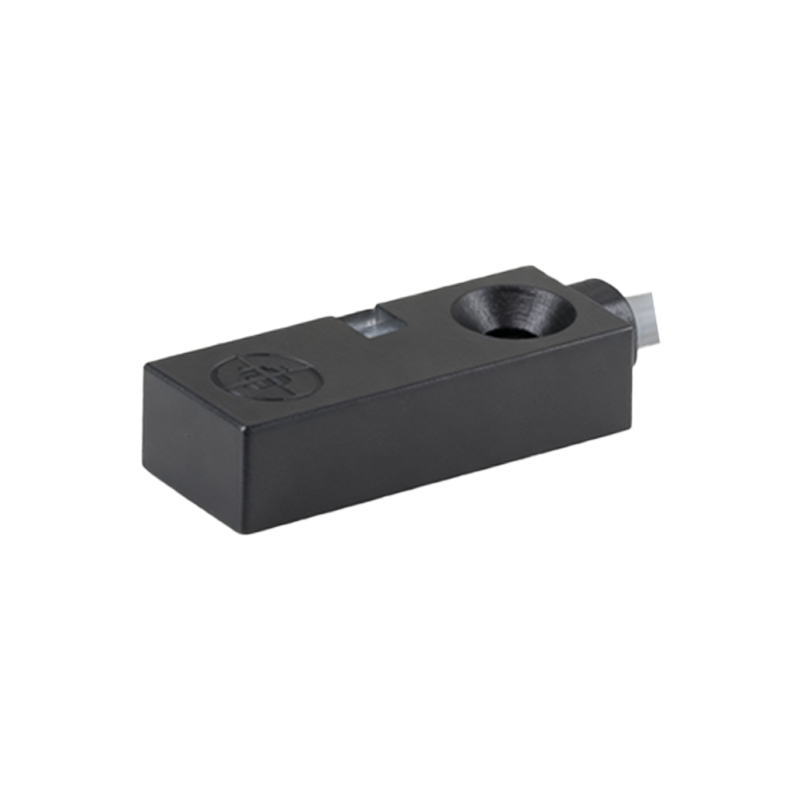
The E3Z-D61E3C-D11 is a compact, high-performance diffuse-reflective photoelectric proximity sensor designed for industrial automation and control systems. As part of Omron's E3Z series, this sensor combines advanced optical technology with robust construction, making it suitable for diverse environments ranging from manufacturing lines to packaging machinery. Its key feature lies in the ability to detect objects without physical contact, thereby reducing wear and maintenance needs while ensuring reliable operation over extended periods.
This sensor operates on the diffuse-reflective principle, where a built-in emitter projects a modulated infrared light beam toward a target. When an object enters the detection range, the light reflects off its surface and is captured by the receiver within the same housing. The E3Z-D61E3C-D11 processes this signal to trigger an output, with a sensing distance of up to 100 mm, adjustable via a potentiometer for fine-tuning. It supports both light-on and dark-on modes, allowing flexibility in configuration based on application requirements. The housing is constructed from ABS resin with an IP67 rating, ensuring resistance to dust, water, and oil splashes, which is critical in harsh industrial settings. Electrical specifications include a 12-24 VDC supply voltage, NPN open-collector output, and a response time of 1 ms, enabling rapid detection in high-speed processes.
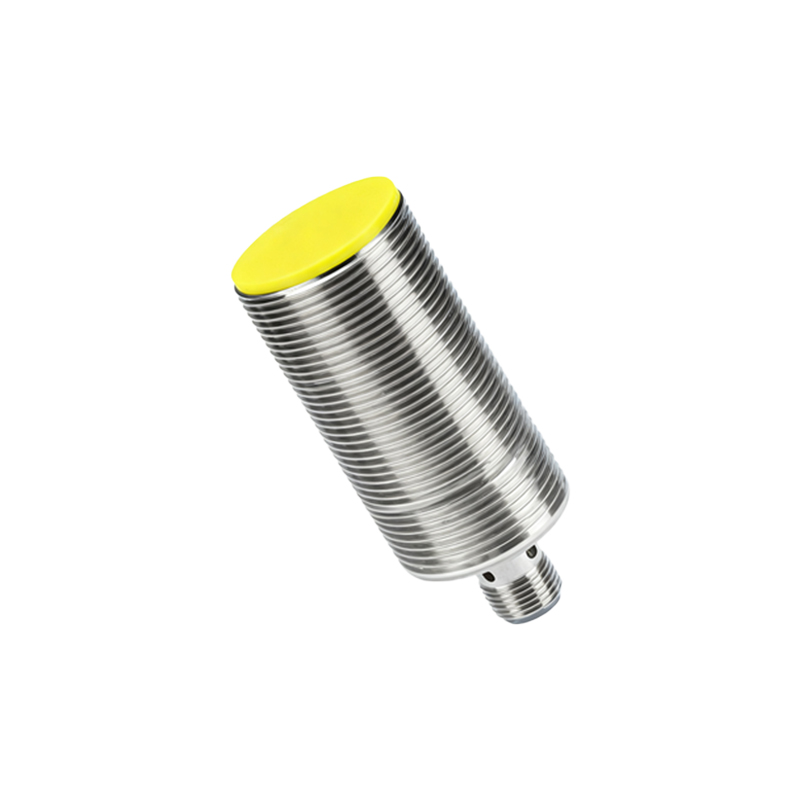
In practical applications, the E3Z-D61E3C-D11 excels in object detection, counting, and positioning tasks. For instance, it can monitor the presence of items on conveyor belts, verify part placement in assembly systems, or act as a safety interlock in automated equipment. Its compact M12 threaded barrel design facilitates easy installation in tight spaces, while the red LED indicator provides clear status feedback for troubleshooting. Users should consider environmental factors such as ambient light interference, target color, and surface texture, as these can affect sensing accuracy. To mitigate issues, it is recommended to avoid direct sunlight exposure and test with actual samples during setup.
Maintenance of the E3Z-D61E3C-D11 is minimal due to its non-contact nature, but regular checks for lens contamination and electrical connections are advised to sustain optimal performance. Compared to inductive or capacitive sensors, this photoelectric model offers superior versatility for non-metallic objects, though it may be less effective with transparent or highly reflective materials. Integrating the sensor into control systems typically involves connecting it to PLCs or relays, with wiring diagrams provided in the datasheet. Overall, the E3Z-D61E3C-D11 represents a cost-effective solution for automation challenges, balancing precision, durability, and ease of use. As industries advance toward smarter factories, such sensors play a pivotal role in enhancing efficiency and reducing downtime, making them indispensable in modern electrical engineering projects.