In the realm of industrial automation, precision and reliability are paramount. Laser sensors have emerged as a transformative technology for counting applications, offering unparalleled accuracy and efficiency. Unlike traditional mechanical or photoelectric methods, laser sensors utilize focused light beams to detect objects with exceptional resolution. This article delves into the principles, advantages, and practical implementations of laser sensor counting systems.
The fundamental operation of a laser sensor involves emitting a concentrated beam of light toward a target. When an object interrupts this beam, the sensor detects the change in light reflection or transmission, triggering a count. Advanced models employ time-of-flight or triangulation techniques to measure distance and size, enabling them to distinguish between overlapping items or varying shapes. This capability is crucial in high-speed production lines, where even minor errors can lead to significant losses.
One key advantage of laser sensors is their non-contact nature. Since no physical interaction occurs, there is minimal risk of damage to both the sensor and the objects being counted. This makes them ideal for fragile or sensitive materials, such as electronic components or food products. Additionally, laser sensors perform consistently in challenging environments—resistant to dust, vibrations, and temperature fluctuations that often hinder other counting mechanisms. Their ability to maintain accuracy over long durations reduces maintenance needs and downtime.
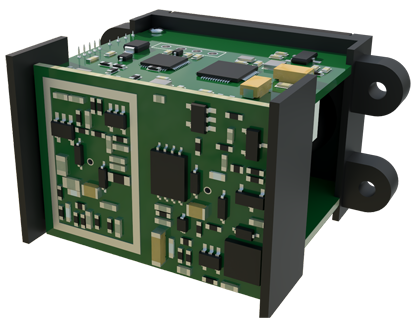
In practical applications, laser sensors are widely used across industries. For instance, in packaging, they count bottles, cans, or boxes on conveyor belts, ensuring correct quantities before shipment. In automotive manufacturing, sensors track parts like bolts or screws, preventing assembly errors. The pharmaceutical sector relies on them for pill counting, where precision directly impacts safety and compliance. Integration with programmable logic controllers (PLCs) and data systems allows for real-time monitoring and automated adjustments, enhancing overall process control.
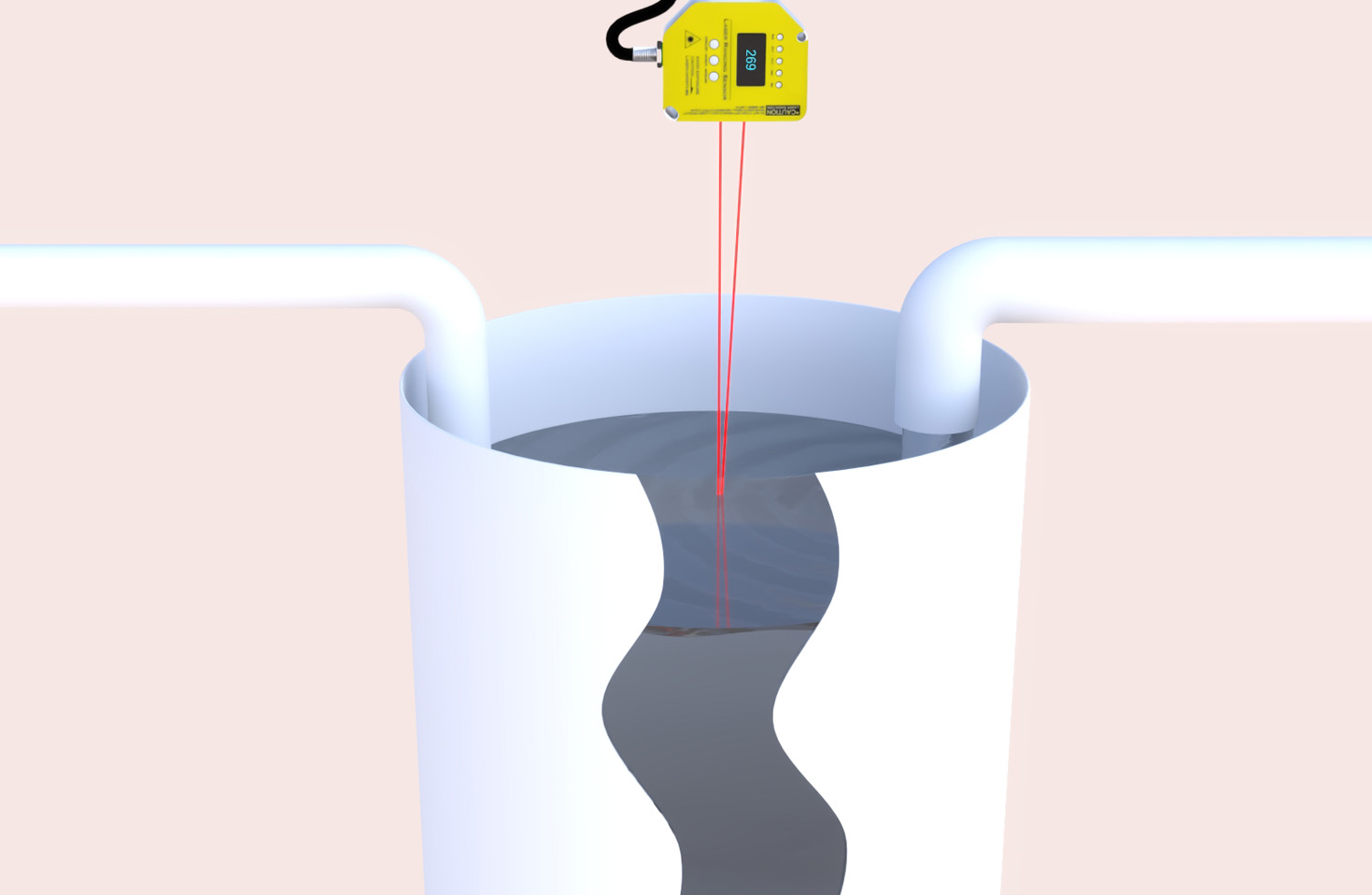
Despite their benefits, selecting the right laser sensor requires careful consideration. Factors such as object size, surface reflectivity, and required counting speed must be evaluated. For dark or absorbent materials, sensors with adjustable sensitivity may be necessary. Regular calibration and alignment are also essential to sustain performance, though modern sensors often feature self-diagnostic tools to simplify upkeep.
Looking ahead, innovations in laser technology continue to expand counting capabilities. Smart sensors with embedded artificial intelligence can now identify defects or anomalies while counting, adding a layer of quality control. As industries embrace the Internet of Things (IoT), laser sensors are becoming integral to connected factories, providing data that drives predictive maintenance and optimization.
In summary, laser sensors represent a cornerstone of modern industrial counting. Their precision, durability, and adaptability make them indispensable for achieving operational excellence. By leveraging this technology, businesses can enhance productivity, reduce waste, and maintain competitive edges in an increasingly automated world.