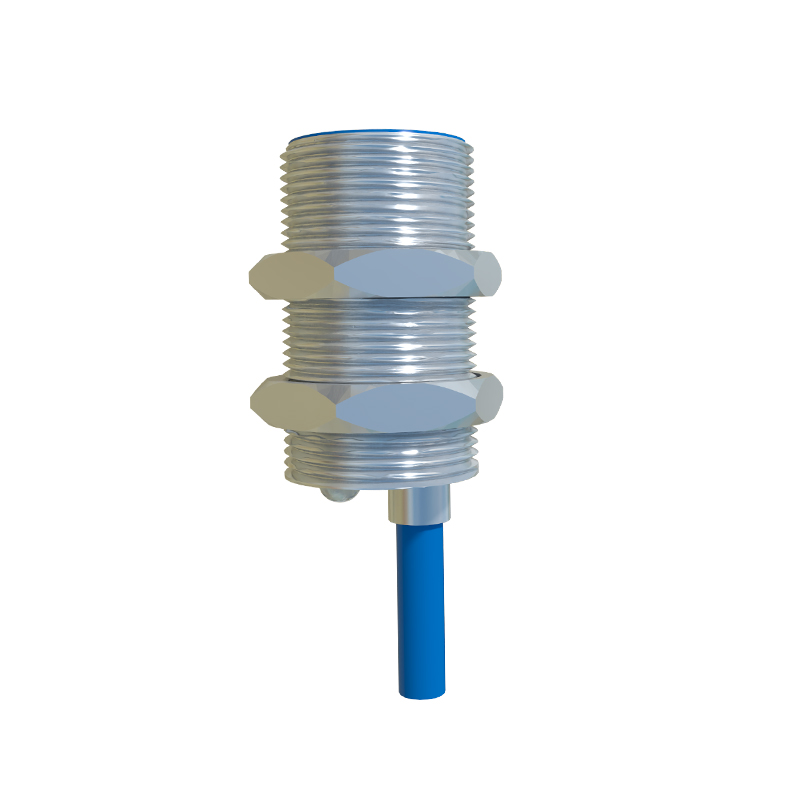
In the realm of industrial automation, the reliable detection of object presence or position is paramount. While traditional mechanical limit switches have served this purpose for decades, modern proximity sensors have emerged as a superior, non-contact alternative, offering enhanced durability, precision, and flexibility. This article delves into the application of proximity sensors as limit switches, exploring their operational principles, key advantages, and implementation considerations.
Proximity sensors function by emitting an electromagnetic field or a beam of electromagnetic radiation (such as infrared light) and detecting changes in the field or return signal. When a target object enters this sensing field, it causes a detectable alteration—like a change in oscillation amplitude, capacitance, or reflected light intensity. This change triggers the sensor's solid-state output to switch states, sending a signal to the programmable logic controller (PLC) or other control system. Common types used for limit-switch applications include inductive sensors (for detecting metallic objects), capacitive sensors (for detecting both metallic and non-metallic materials), and photoelectric sensors (for long-range detection).
The advantages of using proximity sensors over mechanical limit switches are substantial. Firstly, the absence of physical contact eliminates mechanical wear and tear, significantly extending the operational lifespan and reducing maintenance costs. There are no moving parts to jam, break, or require lubrication. Secondly, proximity sensors offer incredibly high switching speeds and repeat accuracy, often in the sub-millisecond range, which is critical for high-speed automation processes. Their response is consistent and not subject to the bounce or variability sometimes seen in mechanical contacts. Thirdly, they are inherently more robust, with many models featuring rugged, sealed housings rated IP67 or higher, making them resistant to dust, moisture, oils, and vibrations common in industrial environments.
Implementing a proximity sensor as a limit switch requires careful selection and configuration. Key parameters include sensing range, which must be chosen to reliably detect the target at the desired position without false triggers from background objects. The mounting style (flush or non-flush for inductive sensors) affects the sensing field and must be considered. Output type (PNP/NPN, NO/NC) must be compatible with the control system's input card. For harsh environments, factors like temperature rating, housing material, and protection class are crucial. Proper shielding and installation are necessary to prevent electromagnetic interference from motors or frequency drives, which can affect sensor performance.
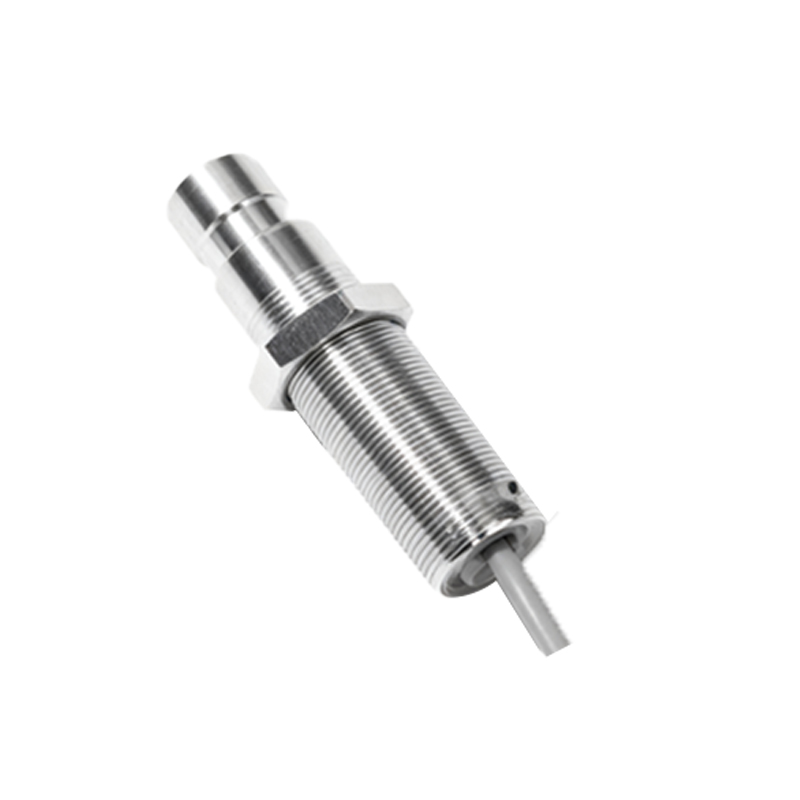
A typical application is in automated guided vehicles (AGVs) or linear actuators, where an inductive proximity sensor is mounted at the end of a travel path to detect a metal flag on the moving unit, signaling it to stop or reverse direction. In packaging machinery, photoelectric sensors act as limit switches to confirm the presence of a product at a specific station before initiating a sealing or labeling cycle. In robotic arms, capacitive or inductive sensors provide precise positional feedback for tooling or end-effector location.
In conclusion, the transition from mechanical limit switches to electronic proximity sensors represents a significant leap forward in industrial control system design. By offering non-contact operation, exceptional reliability, and high-speed performance, proximity sensors enhance system uptime, reduce maintenance burdens, and enable more precise and complex automation sequences. Engineers and system integrators are increasingly standardizing on these versatile devices for both new installations and retrofits, driving efficiency and intelligence across the factory floor. As technology advances, features like IO-Link communication are further integrating these sensors into smart, data-rich Industrial Internet of Things (IIoT) ecosystems, providing diagnostic data and enabling predictive maintenance far beyond the simple on/off function of their mechanical predecessors.