In the realm of precision measurement and industrial automation, the demand for accurate, non-contact speed detection is paramount. Laser speed sensors have emerged as a sophisticated solution, offering unparalleled performance in diverse and demanding environments. Unlike traditional contact-based methods like tachometers, these sensors utilize the principles of laser Doppler velocimetry to measure velocity without physical interaction with the target object.
The fundamental operating principle is based on the Doppler effect. When a coherent laser beam is directed at a moving surface, the light reflected back experiences a slight shift in its frequency. This shift, known as the Doppler frequency shift, is directly proportional to the velocity of the target. The sensor's core component, an interferometer, detects this minute frequency change. It mixes the reflected light (with shifted frequency) with a reference beam (the original laser frequency). This mixing creates an optical interference pattern, which is converted by a photodetector into an electrical signal. The frequency of this resulting signal is analyzed by high-speed signal processing electronics to calculate the precise speed of the object.

The applications for laser speed sensors are vast and critical. In manufacturing, they are indispensable for monitoring the linear or rotational speed of rollers, sheets, wires, and filaments in processes like paper production, plastic extrusion, and textile manufacturing. Any deviation from the set speed can indicate tension problems, slippage, or process inefficiencies, allowing for immediate corrective action. In the automotive industry, they are used for precise wheel speed analysis, tire testing, and brake system development. Research and development laboratories rely on them for studying fluid dynamics, vibration analysis, and material characterization. Furthermore, they play a role in traffic monitoring systems for accurate vehicle speed detection.
The advantages of using laser speed sensors are compelling. Their non-contact nature is perhaps the most significant benefit. It eliminates wear and tear on both the sensor and the measured object, ensuring long-term reliability and eliminating measurement errors caused by mechanical loading or slippage. They can measure on a wide variety of surfaces, including hot, fragile, soft, or fast-moving materials where contact is impossible or undesirable. Laser sensors provide exceptionally high resolution and accuracy, often down to micrometer-per-second levels, with a very fast response time capable of tracking rapid speed fluctuations. Their measurement is largely independent of the target's material properties, though surface roughness and reflectivity can influence signal strength. Modern sensors are designed to be robust, with integrated optics and electronics in compact housings suitable for industrial environments.
When selecting and implementing a laser speed sensor, several factors must be considered. The required measurement range, resolution, and maximum stand-off distance are primary specifications. The nature of the target surface—its roughness, color, and material—affects the quality of the reflected signal; some sensors offer adjustable focus or different laser classes to suit various conditions. Environmental factors like ambient light, dust, vibration, and temperature ranges must be compatible with the sensor's ratings. Proper alignment is crucial for optimal performance, and many models feature integrated alignment aids like visible pilot beams.
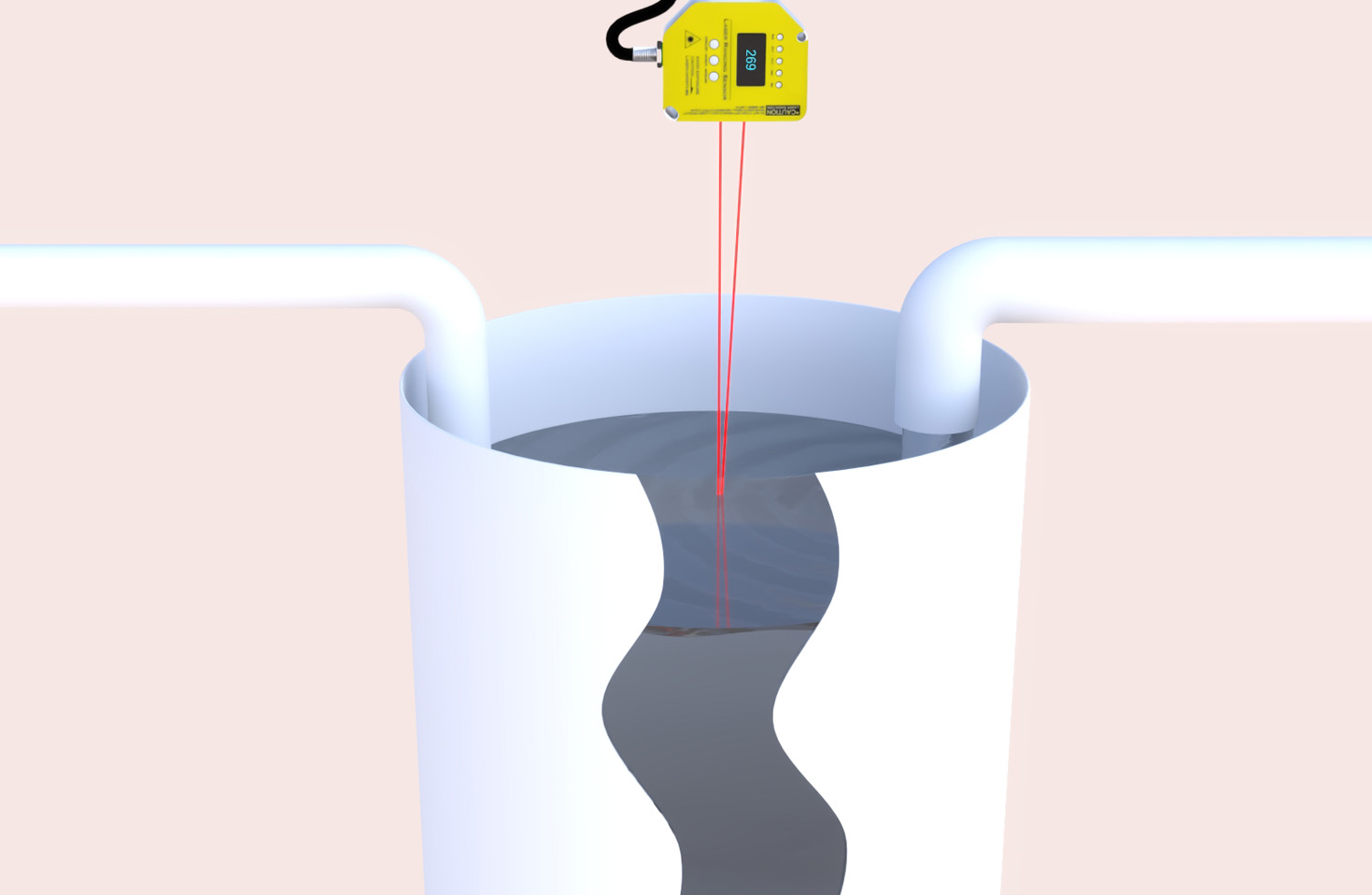
In comparison to other technologies like radar or encoder-based systems, laser Doppler sensors excel in applications requiring the highest precision on small or specific measurement spots. While radar sensors are better for longer ranges and through adverse weather, and encoders offer excellent accuracy for rotational motion where physical attachment is feasible, laser sensors fill a unique niche for non-contact, point-based velocity measurement.
Looking ahead, advancements in laser diode technology, miniaturized optics, and digital signal processing continue to enhance the capabilities of these sensors. Integration with Industrial Internet of Things (IIoT) platforms is becoming standard, enabling remote monitoring, predictive maintenance, and seamless data integration into control systems. The trend is towards smarter, more compact, and more user-friendly devices that deliver critical speed data with exceptional fidelity.
In conclusion, laser speed sensors represent a pinnacle of optical measurement technology. By harnessing the physics of light, they provide a clean, precise, and reliable method for determining velocity across a spectrum of industrial and scientific challenges. Their ability to deliver critical data without contact ensures process integrity, enhances product quality, and drives efficiency in an increasingly automated world.