Square proximity sensors have become integral components in modern supply and distribution networks, offering reliable non-contact detection capabilities. These sensors, characterized by their compact square housing, are designed to detect the presence or absence of objects without physical contact. In supply chain logistics, they ensure precise inventory tracking by monitoring items on conveyor belts, in automated storage systems, and at loading docks. Their robust construction allows them to withstand harsh industrial environments, including exposure to dust, moisture, and temperature variations.
The operational principle of square proximity sensors typically involves electromagnetic, capacitive, or ultrasonic technologies. Inductive square sensors, for instance, generate an electromagnetic field to detect metallic objects, making them ideal for metal part counting in manufacturing plants. Capacitive variants can sense both metallic and non-metallic materials, such as plastics or liquids, which is valuable in packaging and bottling lines. Ultrasonic square sensors use sound waves to measure distance or detect objects, providing versatility in bulk material handling.
In distribution centers, these sensors enhance automation by enabling real-time monitoring of package flow. They trigger sorting mechanisms, verify item placement, and prevent jams in material handling equipment. Their square form factor allows for easy mounting in tight spaces, often with adjustable sensing ranges to accommodate different application needs. Many models feature LED indicators for visual status confirmation and built-in diagnostics to simplify maintenance.
The integration of square proximity sensors with Industrial Internet of Things (IIoT) platforms has further expanded their utility. Sensor data can be transmitted to central control systems for analytics, predictive maintenance, and process optimization. This connectivity supports just-in-time inventory management, reducing warehousing costs and improving supply chain responsiveness.
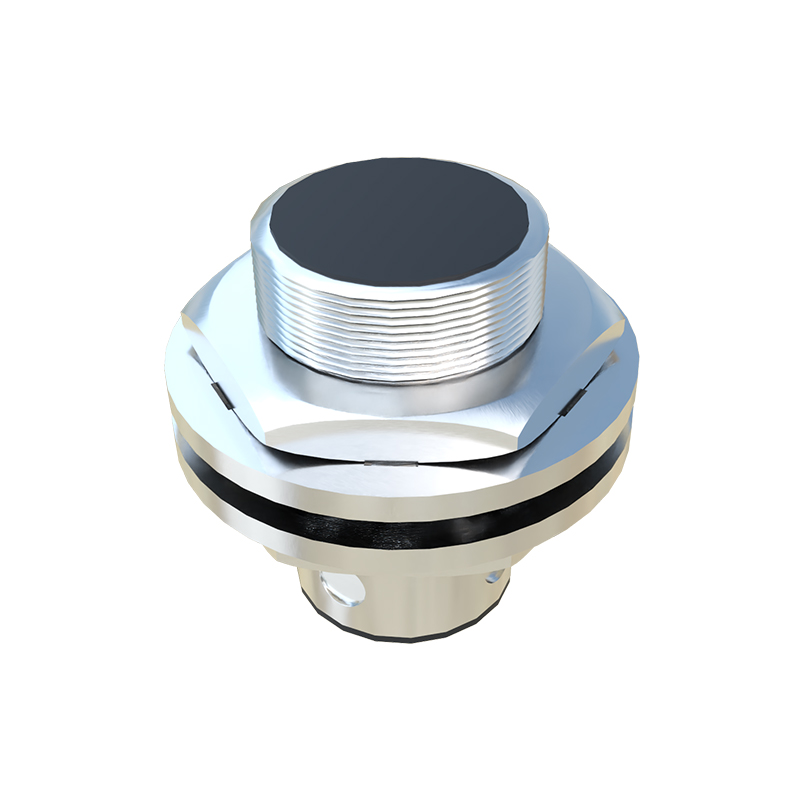
When selecting square proximity sensors for supply and distribution applications, key considerations include sensing range, response time, environmental ratings, and output compatibility. Models with IP67 or higher ingress protection are preferred for washdown areas in food distribution. High-speed sensors with millisecond-level response times are essential for high-throughput sorting operations.
Regular calibration and cleaning of sensor faces ensure consistent performance. Technicians should verify alignment and check for interference from adjacent metal structures or electrical noise. As automation advances, square proximity sensors continue to evolve with features like IO-Link communication for parameter configuration and condition monitoring.
These devices not only improve operational efficiency but also contribute to safety by preventing collisions in automated guided vehicle systems and monitoring access to restricted zones. Their reliability reduces downtime, making them a cost-effective solution for modern supply chains aiming for precision and scalability.