In the rapidly evolving landscape of smartphone technology, the proximity sensor remains a critical, though often understated, component. This article provides a technical and industry-focused examination of the proximity sensor integrated into the OnePlus Ace series, detailing its operational principles, performance characteristics, and broader implications for user experience and device design.
Fundamentally, a proximity sensor is an electronic device designed to detect the presence of nearby objects without any physical contact. In smartphones like the OnePlus Ace, this is typically achieved using an infrared (IR) LED and an IR light detector. The sensor emits an invisible beam of infrared light. When an object, such as the user's ear during a phone call, comes close to the screen, this light is reflected back to the detector. The sensor's microcontroller then processes this signal to determine the object's proximity. The primary function is straightforward: to automatically disable the touchscreen display when the phone is held to the ear, preventing accidental touch inputs and conserving battery power.
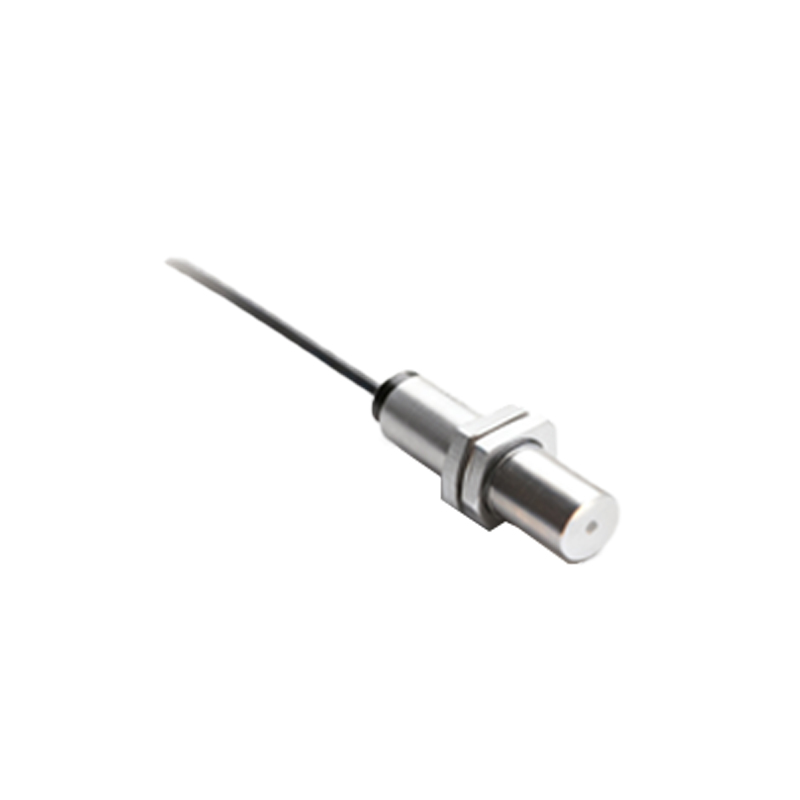
The implementation in the OnePlus Ace series showcases several refined engineering choices. These sensors are often of the digital type, providing a simple binary output (object near/object far) to the device's main processor. Key performance metrics include detection range, response time, and power consumption. Modern iterations, as expected in a performance-oriented line like the Ace, feature a fast response time—often in the millisecond range—ensuring the screen turns off almost instantaneously when brought to the ear. The detection range is precisely calibrated, usually between 1 to 5 centimeters, to avoid false triggers from objects at a greater distance while remaining reliably sensitive.
Power efficiency is a paramount concern. High-quality proximity sensors, such as those employed by OnePlus, utilize low-power IR emitters and sophisticated power management. They operate in a pulsed mode, emitting brief IR bursts only when needed (e.g., during a call or when the display is active), thereby minimizing their impact on the device's overall battery life. This aligns with the Ace series' emphasis on enduring performance.
From an industry and manufacturing perspective, the integration of the proximity sensor presents specific design challenges. It requires a precise aperture on the front panel, usually located near the earpiece. This aperture must be transparent to infrared light but often needs to blend aesthetically with the phone's color and finish, sometimes involving specialized coatings or materials. The sensor must be perfectly aligned during assembly to ensure its field of detection is accurately oriented towards the front of the device. Any misalignment can lead to malfunction, such as the screen failing to turn off during calls.
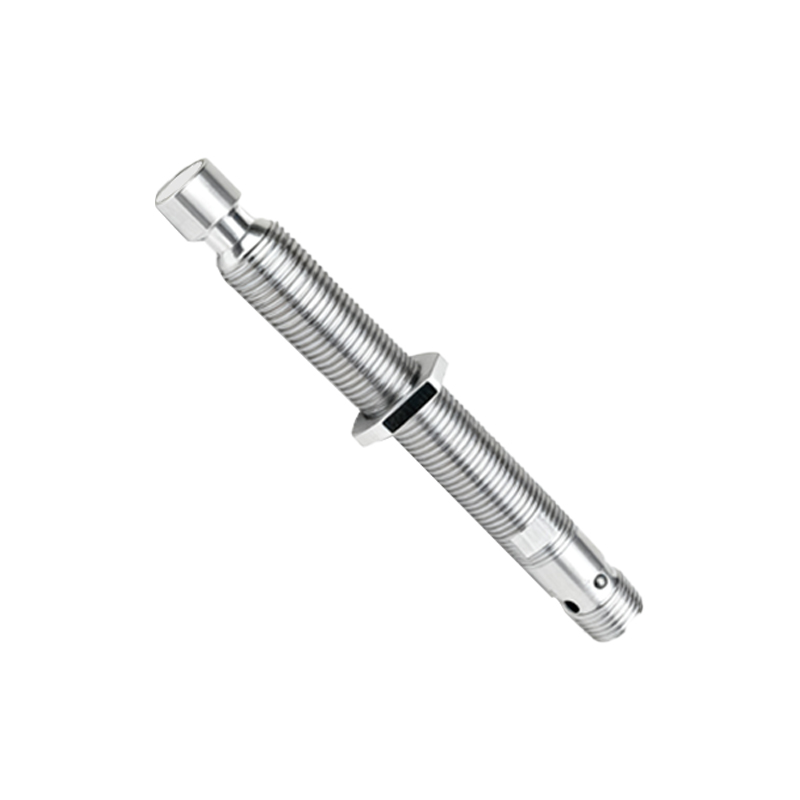
Beyond the basic call function, the utility of the proximity sensor extends to other smart features. It can be leveraged to prevent accidental screen activation when the phone is in a pocket or bag. Some software implementations use it to enable gesture controls, like silencing an alarm or pausing media by waving a hand over the sensor. While not always the primary interface for such gestures, its reliability for basic presence detection makes it a versatile hardware asset.
For industry professionals, evaluating a proximity sensor involves testing beyond datasheet specifications. Real-world scenarios must be considered: performance under varying ambient light conditions (strong sunlight can contain IR components that may interfere), with different reflective surfaces (skin, hair, fabric), and across a wide temperature range. Consistency is key. The sensor must perform identically for all users regardless of environmental factors. The OnePlus Ace's positioning in the market suggests a focus on reliable, consistent performance that meets these rigorous conditions without necessitating user intervention or adjustment.
Furthermore, the evolution of under-display technology presents the next frontier. The industry is moving towards sensors completely hidden beneath the OLED display, eliminating the need for a visible aperture. This achieves a seamless, full-screen aesthetic. While this technology introduces complexities—such as ensuring the IR light can penetrate the display layers and return without excessive attenuation—it represents the future of design. It is anticipated that future iterations of devices like the OnePlus Ace will adopt such advanced integrations, balancing flawless functionality with minimalist design.
In conclusion, the proximity sensor in the OnePlus Ace is a exemplar of mature yet essential smartphone technology. Its effective operation hinges on precise optical engineering, low-power design, and flawless manufacturing integration. For engineers and product developers, it serves as a reminder that significant enhancements to user experience often come from perfecting these fundamental components. As smartphones continue to evolve, the principles of reliability, efficiency, and seamless integration demonstrated by such sensors will remain central to successful device design.