In the complex and demanding landscape of modern industrial automation and electrical engineering, the reliability of sensor data is paramount. Among the various sensing technologies, proximity switches are fundamental components, used extensively for object detection, position sensing, and counting without physical contact. However, their performance can be severely compromised by electromagnetic interference (EMI), radio frequency interference (RFI), and other environmental noise prevalent in industrial settings. This is where the specialized role of anti-interference proximity sensors becomes critical. These advanced devices are engineered not just to detect, but to do so with unwavering accuracy amidst electrical chaos.
The core function of a standard inductive or capacitive proximity sensor is to generate an electromagnetic field and detect changes caused by a target object entering its sensing range. In a typical factory environment, this sensitive field can be distorted by noise from sources such as variable frequency drives (VFDs), welding equipment, large motors, power lines, and even other sensors operating nearby. This interference can lead to false triggering, failure to detect, reduced sensing range, or erratic output signals. Such malfunctions directly translate to production downtime, quality control issues, and potential safety hazards.
Anti-interference proximity sensors are designed with a multi-faceted approach to combat these challenges. Firstly, their internal circuitry incorporates sophisticated filtering techniques. This includes robust low-pass filters that effectively attenuate high-frequency noise while allowing the legitimate sensor signal to pass through. Advanced models utilize digital signal processing (DSP) to distinguish between the actual target signal and background noise patterns, significantly enhancing noise immunity.
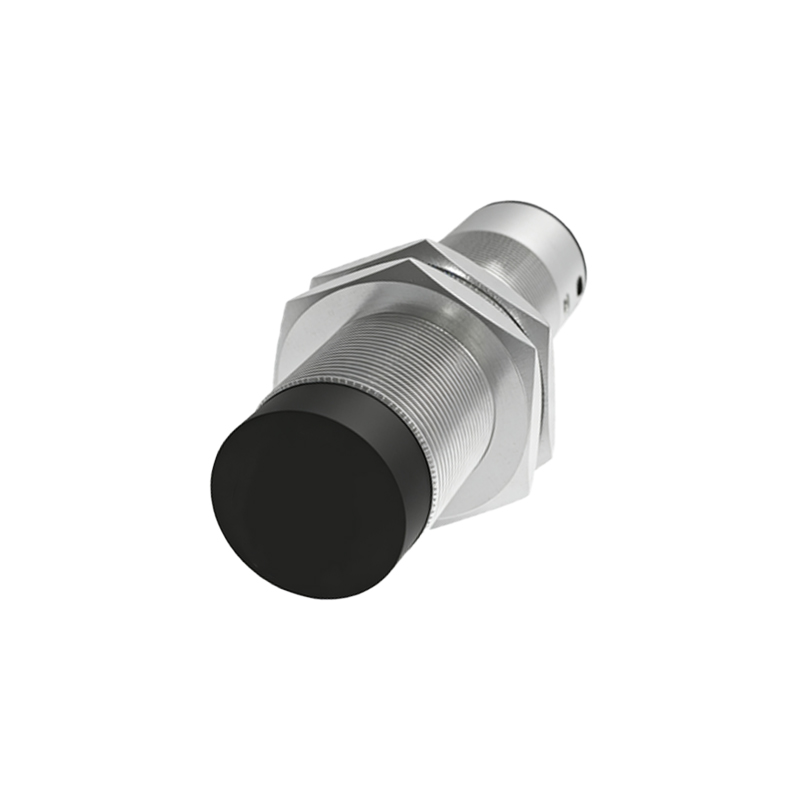
Secondly, the physical design and shielding of these sensors are optimized. High-quality ferrite cores and carefully wound coils help in creating a more stable and focused electromagnetic field. The sensor housing and cable entries often feature enhanced metallic shielding, which acts as a Faraday cage to block external EMI/RFI from penetrating the sensitive electronics. Furthermore, the use of differential sensing technology in some high-end models allows the sensor to compare signals from two points, effectively canceling out noise that is common to both.
The selection of output types also plays a role in interference resistance. While standard digital outputs are common, certain anti-interference models may employ analog current outputs (e.g., 4-20 mA), which are inherently more resistant to noise over long cable runs compared to voltage signals. For digital communication, protocols with built-in error-checking, like IO-Link, add an extra layer of data integrity, allowing the sensor to communicate diagnostic information about signal quality back to the controller.
The practical applications for these robust sensors are vast. They are indispensable in automotive manufacturing lines where welding robots generate intense EMI. In metal stamping and machining centers, they provide reliable position feedback despite the presence of powerful servo drives and cutting fluids. Packaging machinery, material handling systems, and energy infrastructure all benefit from their stable operation. By ensuring precise and reliable detection, they contribute directly to increased Overall Equipment Effectiveness (OEE), reduced waste, and enhanced operational safety.
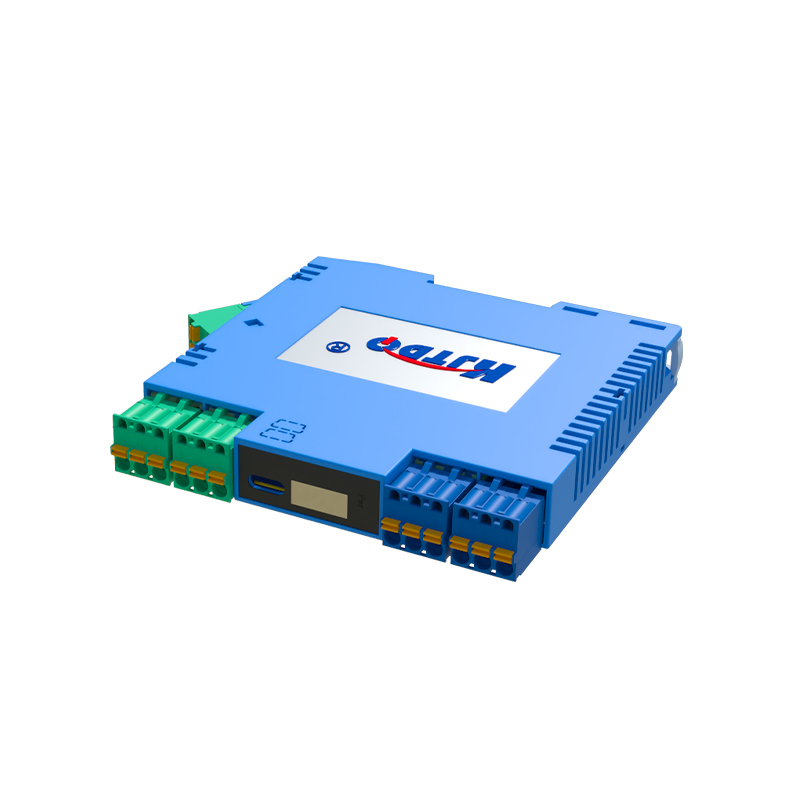
When specifying an anti-interference proximity sensor, engineers must consider key parameters beyond the standard sensing distance and output type. Look for specifications detailing "noise immunity" or "EMC performance" according to standards like IEC 60947-5-2. Ratings for resistance to specific types of interference, such as burst noise or surge voltages, are crucial. The sensor's operating frequency, if adjustable, can sometimes be tuned away from known noise frequencies in the installation environment.
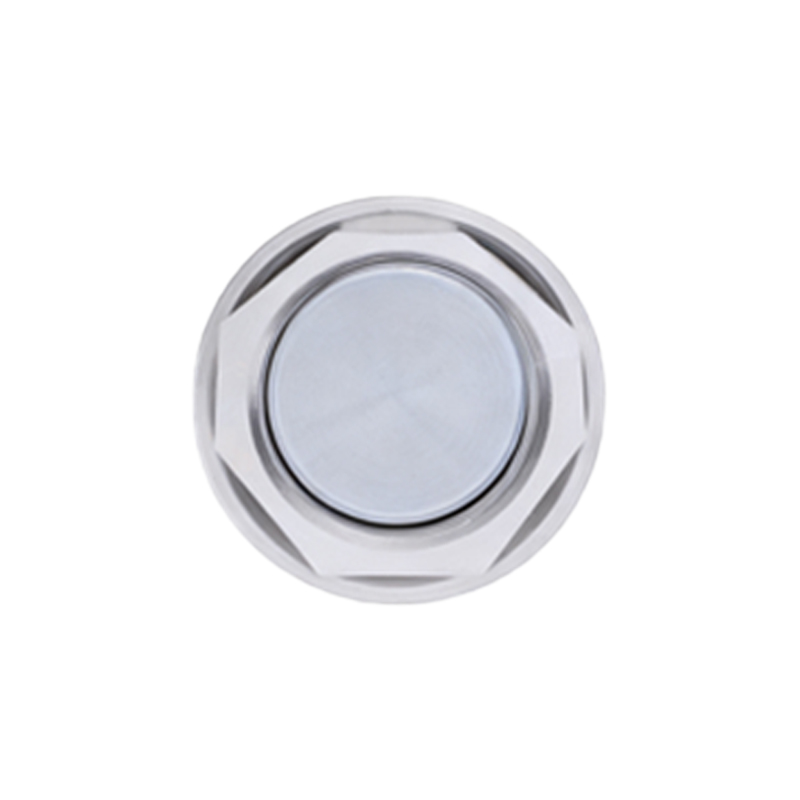
In conclusion, the anti-interference proximity sensor is not merely a variant but a necessity for robust system design in today's electrically noisy industrial world. It represents a convergence of precise electromagnetic design, intelligent signal processing, and robust construction. By investing in these specialized sensors, engineers and plant managers build a foundation of reliability, ensuring that the critical data informing automated processes remains accurate, thereby safeguarding productivity, quality, and safety in an interconnected electrical ecosystem.