In the world of industrial automation and machinery, the ability to detect the presence or absence of an object without physical contact is paramount. Among the various technologies enabling this capability, electromagnetic proximity switch sensors stand out for their reliability, durability, and versatility. These devices are fundamental components in countless systems, from assembly lines and robotic arms to safety interlocks and vehicle detection. Understanding their operation, benefits, and ideal use cases is essential for engineers, technicians, and procurement specialists.
At its core, an electromagnetic proximity sensor is a non-contact electronic device that detects the presence of ferrous metal targets—primarily iron and steel. Its operation is based on the principle of electromagnetic induction. The sensor contains an oscillator circuit that generates a high-frequency electromagnetic field at its active face. When a ferrous metal object enters this field, eddy currents are induced on the surface of the target. These eddy currents cause a measurable change in the oscillation amplitude within the sensor's circuit. This change is detected, processed, and converted into a clean, digital output signal, typically switching a solid-state transistor (PNP or NPN) to indicate the target's presence.
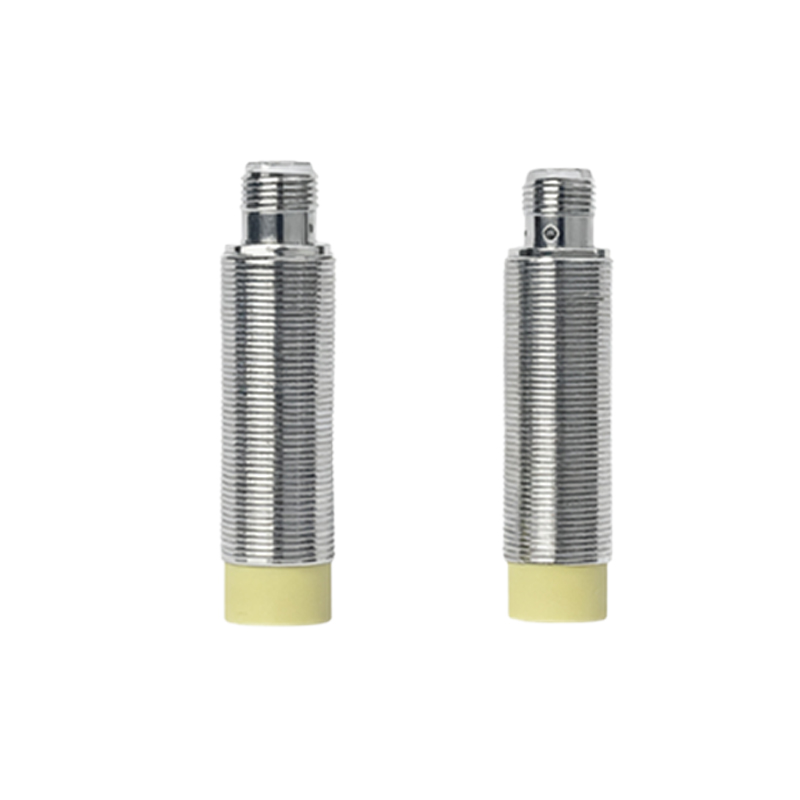
This working principle confers several distinct advantages. First and foremost is the complete lack of mechanical wear. Since no physical contact is required for detection, the sensor's lifespan is dramatically extended compared to mechanical limit switches. They are exceptionally reliable in harsh environments, often housed in robust, sealed metal or polymer casings that offer high resistance to dust, dirt, moisture, oils, and coolants. Many models carry IP67 or IP69K ratings, making them suitable for washdown areas in food processing or challenging conditions in metalworking. Furthermore, they can operate at very high switching frequencies, capable of detecting objects passing by at speeds impractical for mechanical switches.
The applications for electromagnetic proximity sensors are vast and varied. In manufacturing, they are ubiquitous for tasks such as part counting on conveyors, verifying the position of a cylinder rod in pneumatic or hydraulic systems, monitoring spindle position on machine tools, and ensuring proper jig or fixture placement. They serve as end-of-travel limit switches for moving platforms and elevators. In the automotive industry, they monitor rotational speed by detecting gear teeth or encoder wheels. Safety systems employ them as door or guard interlocks to ensure protective covers are closed before machinery can operate. Their robustness also makes them ideal for outdoor use in transportation, such as detecting train axles or monitoring level crossing barriers.
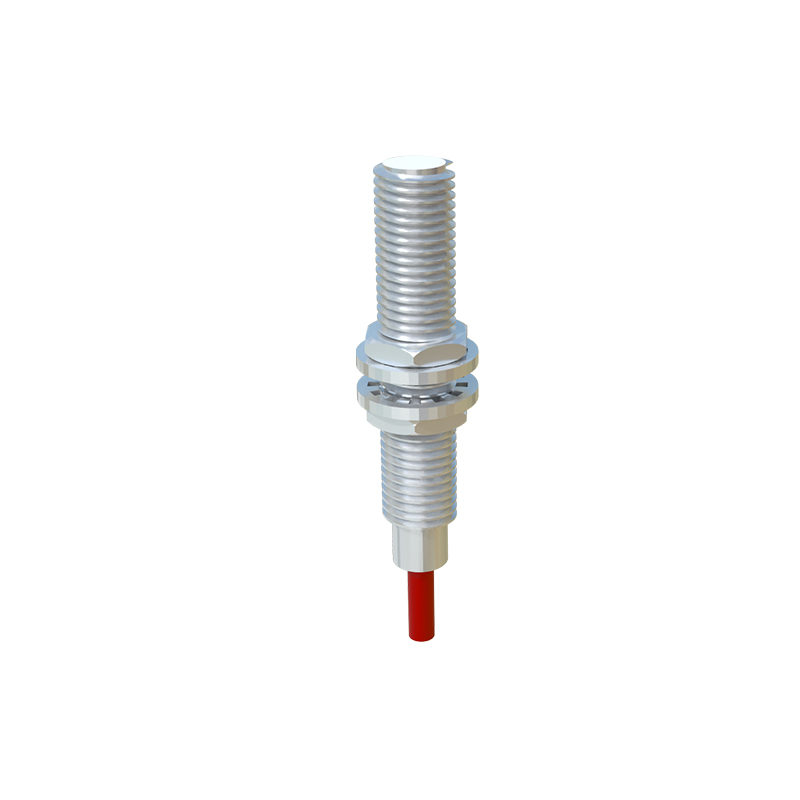
When selecting an electromagnetic proximity sensor for a specific application, several key parameters must be considered. The sensing distance, or nominal range, is crucial and is specified for a standard target. It is important to note that this range can be affected by the target's material, size, and shape. The sensor's housing style is another critical choice; common forms include cylindrical barrels (e.g., M8, M12, M18, M30 threaded barrels), rectangular block styles, and ring or slot designs for specific detection geometries. The electrical output type must match the control system's input; options include DC 2-wire, DC 3-wire (PNP or NNP sourcing/sinking), and AC/DC versions. Output configurations can be normally open (NO), normally closed (NC), or analog. Environmental ratings, such as Ingress Protection (IP) codes and temperature ranges, must suit the operating conditions. Finally, special features like weld-field immunity (for use near robotic welders), extended temperature tolerance, or chemical-resistant housings may be necessary.
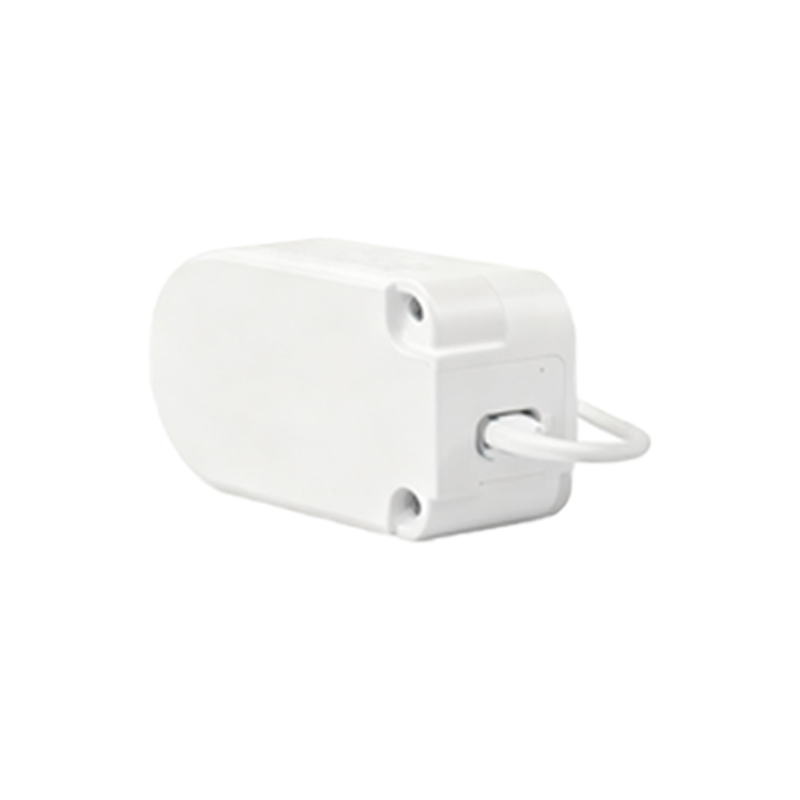
While immensely useful, these sensors do have limitations. Their primary constraint is material specificity; they are designed to detect ferrous metals. Non-ferrous metals like aluminum, brass, or copper, as well as non-metallic materials, typically cannot be detected by standard inductive sensors, requiring capacitive or ultrasonic sensors instead. The sensing range is also relatively short compared to some other technologies, usually from a few millimeters up to about 60 millimeters for larger models. Additionally, the presence of other metals in close proximity can sometimes influence the sensing field.
In conclusion, electromagnetic proximity switch sensors are indispensable workhorses in modern industrial control. Their non-contact operation, rugged construction, and fast response make them a superior choice for detecting ferrous metal objects in demanding environments. By carefully considering factors like sensing range, housing, output, and environmental specs, engineers can seamlessly integrate these reliable components to enhance automation efficiency, improve safety, and ensure precise machine control. As automation continues to evolve, the fundamental role of these sensors remains secure, providing a simple, effective, and trusted solution for a fundamental task in system logic.