Laser sensors have become indispensable components in modern industrial automation, robotics, and measurement systems. As an electrical engineer with years of field experience, I understand that selecting and evaluating the quality of laser sensors is critical for ensuring system reliability, accuracy, and longevity. This guide provides a systematic approach to assessing laser sensor performance, covering key parameters, testing methodologies, and common pitfalls.
First and foremost, evaluate the sensor's specifications against your application requirements. Key parameters include measurement range, resolution, repeatability, linearity error, and response time. For instance, a high-quality laser displacement sensor should offer repeatability within ±0.05% of the full scale under stable environmental conditions. Always verify datasheet claims through independent testing, as manufacturers may optimize specifications under ideal lab settings.
Environmental robustness is another vital factor. Industrial environments often involve temperature fluctuations, humidity, vibration, and electromagnetic interference. A reliable laser sensor should maintain performance across its specified operating temperature range (e.g., -10°C to 50°C) and have adequate ingress protection (IP ratings like IP67 for dust and water resistance). Conduct stress tests by exposing the sensor to simulated operational conditions, monitoring output stability over extended periods.
Optical quality directly impacts measurement accuracy. Inspect the laser source for consistency in spot size, shape, and intensity. Use a calibrated target or reference surface to check for beam divergence and alignment issues. Poor-quality lenses or misaligned optics can cause signal degradation, leading to erroneous readings. Additionally, assess the sensor's ability to handle different surface materials and colors; some sensors may struggle with reflective or dark surfaces without adaptive algorithms.
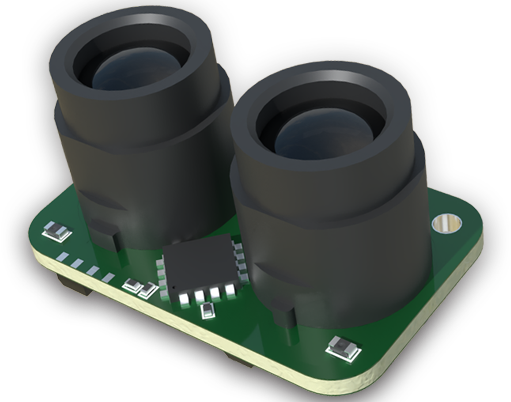
Signal processing capabilities distinguish premium sensors from mediocre ones. Advanced sensors incorporate noise reduction, filtering, and real-time compensation for environmental variables. Test the sensor's output under varying ambient light conditions or in the presence of other optical sources. A good sensor will maintain a stable signal-to-noise ratio (SNR) above 20 dB in challenging scenarios.
Long-term stability and durability are often overlooked during initial evaluations. Review the manufacturer's mean time between failures (MTBF) data and warranty terms. Perform accelerated life testing by cycling the sensor through repeated operations, checking for mechanical wear, connector integrity, and firmware stability. Sensors with robust housings (e.g., stainless steel or anodized aluminum) and certified components (like CE or UL listings) tend to offer better longevity.
Calibration and traceability are essential for precision applications. High-quality sensors come with calibration certificates from accredited laboratories, ensuring measurements are traceable to international standards (e.g., NIST). Regularly recalibrate sensors according to the manufacturer's recommendations, using certified reference tools. Document all calibration results to track performance drift over time.
Integration and compatibility should not be underestimated. Test communication protocols (such as analog outputs, RS-485, Ethernet/IP, or IO-Link) for reliability and latency. Ensure the sensor's software or configuration tools are user-friendly and provide diagnostic features like health monitoring or error logging. Poor software support can negate even the best hardware performance.
Finally, consider the total cost of ownership. While initial price is a factor, evaluate maintenance needs, replacement part availability, and technical support responsiveness. Reputable manufacturers offer comprehensive documentation, application notes, and access to engineering support. Avoid sensors with proprietary interfaces or obscure components that may become obsolete quickly.
In summary, judging laser sensor quality requires a holistic approach combining technical analysis, empirical testing, and practical experience. By rigorously assessing specifications, environmental resilience, optical performance, signal integrity, and long-term reliability, engineers can make informed decisions that enhance system efficiency and reduce downtime. Remember, a sensor is only as good as its performance in your specific application—never compromise on verification.