In the realm of industrial automation and machine control, proximity sensors stand as fundamental components for non-contact object detection. Among the diverse array of form factors, the square-bodied, 3-wire proximity sensor represents a highly prevalent and versatile solution. This article delves into the technical specifications, operational principles, wiring configurations, and key application considerations for these robust sensing devices.
The defining characteristic of a square proximity sensor is its housing geometry. This shape often provides a larger sensing face compared to cylindrical counterparts, potentially offering a more generous sensing range for a given size. The housing is typically constructed from materials like nickel-plated brass, stainless steel, or high-grade plastics (PBT), ensuring durability in harsh industrial environments characterized by coolant, oil, metal chips, and physical impacts. The "3-wire" designation is crucial, indicating the sensor's power and output signal configuration. Unlike 2-wire sensors that are wired in series with the load, 3-wire sensors have dedicated conductors, which simplifies installation and enhances performance stability.
The core technology behind these sensors is typically inductive sensing. An internal oscillator circuit generates a high-frequency electromagnetic field at the active sensing face. When a metallic target (ferrous or non-ferrous, depending on the sensor type) enters this field, eddy currents are induced in the target. This causes a change in the oscillation amplitude, which is detected by a threshold circuit. This detection triggers a change in the state of the sensor's solid-state output switch. For capacitive variants, the principle involves detecting changes in capacitance caused by the presence of any material, not just metal.
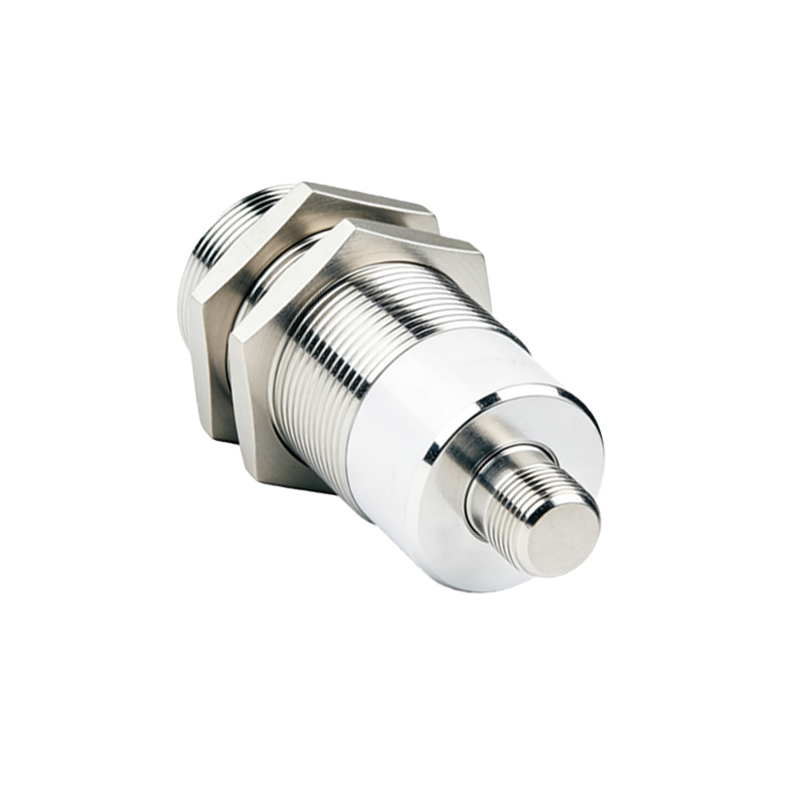
The wiring of a 3-wire DC sensor follows a standard color code, though it is imperative to always consult the manufacturer's datasheet. The most common configuration is: Brown wire for DC positive supply voltage (+V, typically 10-30V DC), Blue wire for DC negative or common (0V), and Black wire for the switched output signal. The output type is either NPN (sinking) or PNP (sourcing). An NPN output switches the negative (0V) line to the load; when active, the Black wire provides a path to 0V. A PNP output switches the positive voltage line; when active, the Black wire provides +V. The choice between NPN and PNP is dictated by the control system's input card requirements (sinking vs. sourcing inputs).
Key performance parameters for a square 3-wire proximity sensor include:
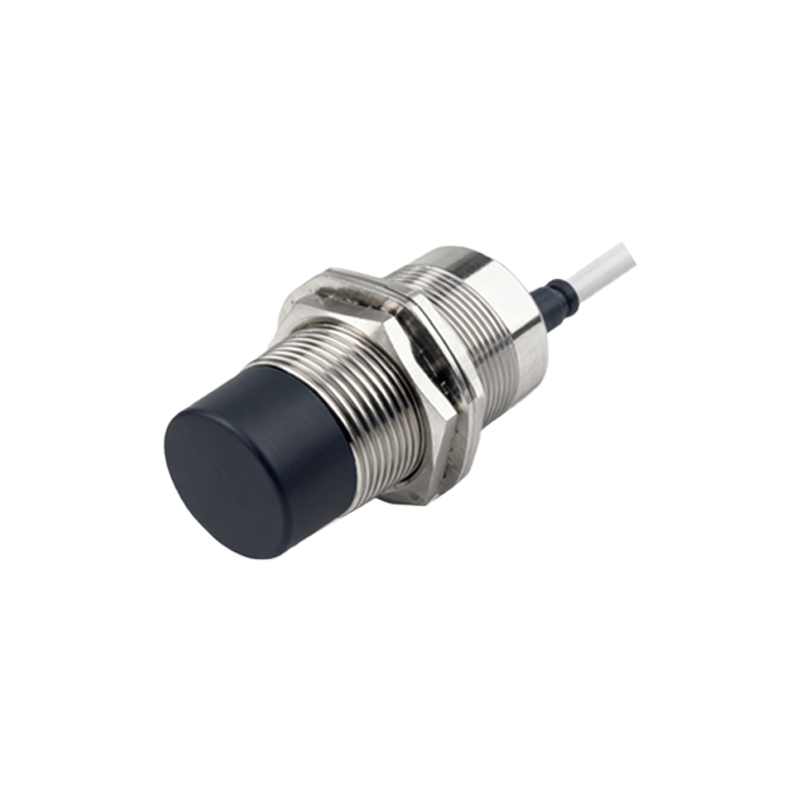
Sensing Distance (Sn): The nominal operating distance. A 12mm square sensor might have an Sn of 4mm. It is critical to note the reduction factor for non-ferrous metals (e.g., aluminum, copper).
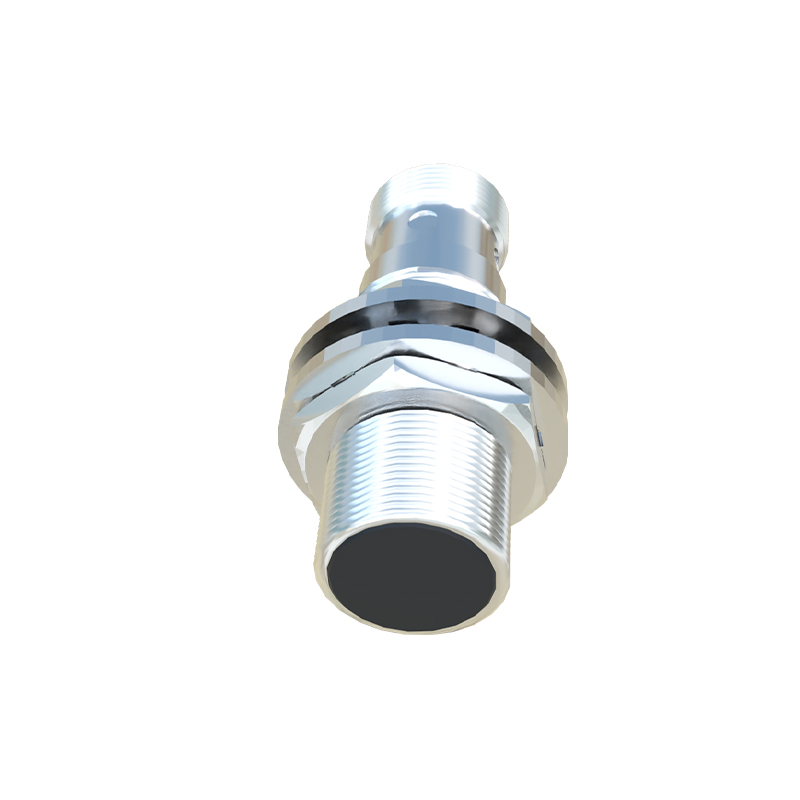
Output Configuration: Defines the switching logic – Normally Open (NO) or Normally Closed (NC). An NO contact closes upon target detection, while an NC contact opens.
Switching Frequency: The maximum number of on/off cycles per second, determining the sensor's response speed for high-speed applications.
Hysteresis: The difference between the switch-on and switch-off points, preventing chatter when a target is at the edge of the sensing range.
Protection Rating: Ingress Protection (IP) ratings like IP67 or IP69K indicate resistance to dust and water, essential for washdown or outdoor applications.
Installation and application best practices are vital for reliable operation. Maintain the specified mounting distances between sensors and from metal surfaces to avoid mutual interference or shielding effects. Ensure the target object's material, size, and approach direction meet the sensor's specifications. For inductive sensors, the target should be at least as large as the sensor's face for the rated sensing distance. Always implement proper electrical safeguards, such as fuses or circuit breakers, and consider surge protection in environments with inductive loads like solenoids or motors. For wiring, use shielded cables in electrically noisy environments, grounding the shield at the controller end only.
In summary, the square 3-wire proximity sensor is a workhorse in electrical control panels, packaging machinery, material handling systems, and robotic cells. Its robust construction, reliable inductive or capacitive sensing, and straightforward 3-wire interface make it an indispensable tool for engineers. Success hinges on selecting the correct sensor type (inductive/capacitive, NPN/PNP, NO/NC) for the application, adhering to mounting guidelines, and implementing sound electrical practices. By mastering these aspects, engineers can ensure precise, maintenance-free object detection critical for automated system integrity and productivity.