Inductive proximity sensors are ubiquitous in industrial automation, valued for their non-contact operation, robustness, and reliability in detecting metallic objects. However, a comprehensive understanding of their inherent limitations is crucial for engineers and system designers to ensure optimal application selection and avoid costly operational failures. This article details the primary disadvantages of these sensors from a practical engineering perspective.
The most fundamental limitation is the exclusive detection of metallic targets. Inductive sensors operate on the principle of electromagnetic induction, where an oscillating electromagnetic field generated by the sensor coil is damped by eddy currents induced in a conductive target. Non-metallic materials like plastics, glass, wood, or liquids do not affect this field significantly and therefore cannot be detected. This restricts their use in applications involving non-metallic object detection or where the target material is variable.
Even within metals, detection performance is not uniform. The sensor's effective sensing range, or the distance at which a standard target reliably triggers the output, is highly dependent on the target material's properties. Ferrous metals (like mild steel) provide the nominal sensing distance, typically listed in datasheets. However, non-ferrous metals such as aluminum, brass, or copper have a reduced effective sensing range, often 30% to 60% of the nominal value, due to their lower permeability and different electrical conductivity. Stainless steel, depending on its grade, can also significantly reduce the sensing distance. This necessitates careful calculation and testing during system design to avoid misdetection.
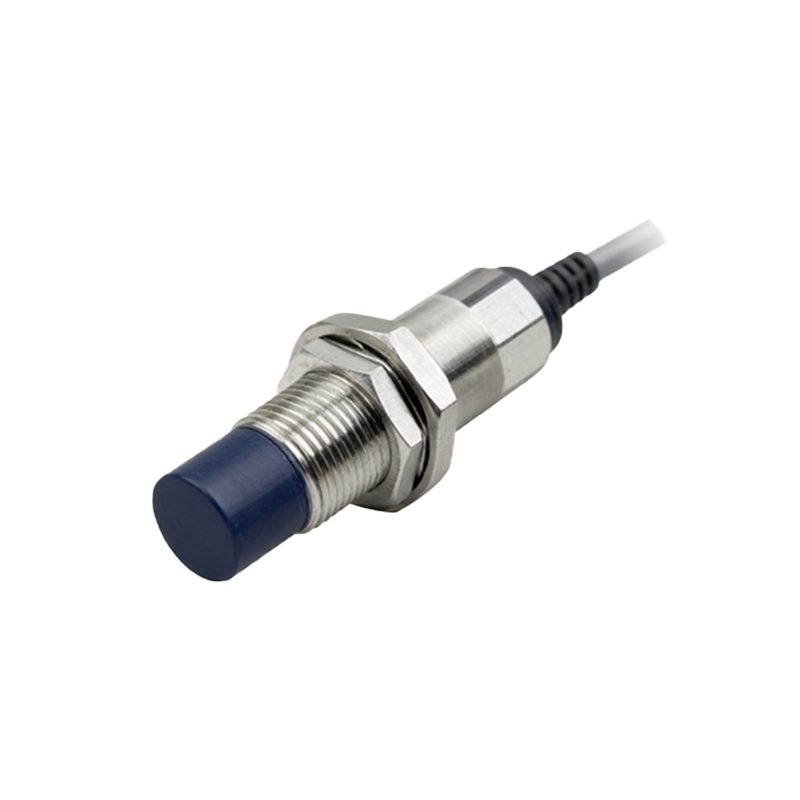
The operating environment poses significant challenges. While inductive sensors are generally well-shielded, the presence of other strong electromagnetic fields from nearby motors, welding equipment, or power lines can cause interference, leading to erratic switching or false triggers. Although many models feature robust housing (often IP67 or IP69K rated), extreme environmental conditions remain a concern. Metallic dust or chips accumulating on the sensor face can effectively create a false "target," causing the sensor to latch in the detected state. While some models offer flush-mounting capabilities to mitigate this, it comes at the cost of a reduced sensing range. Furthermore, operating in extremely high temperatures can affect the internal electronics and coil, potentially degrading performance or causing permanent damage.
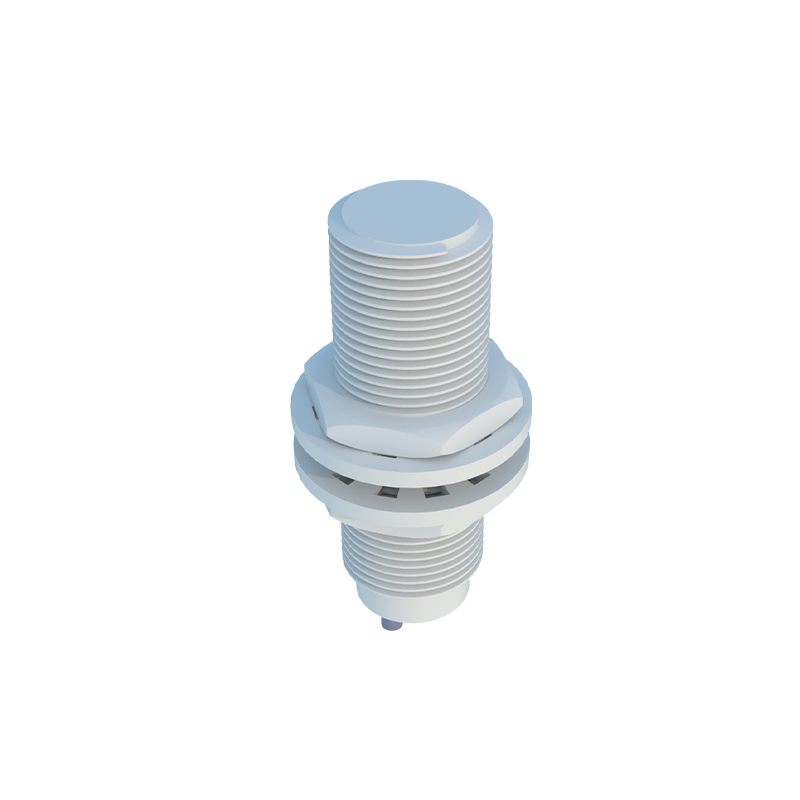
Physical and installation constraints are another key drawback. The sensing range of inductive sensors is relatively short, especially for smaller sensor sizes. Achieving long-range detection requires larger sensor housings, which may not be feasible in space-constrained machinery. The sensor's detection is also omni-directional to its face; it cannot distinguish between the intended target and any other metallic object entering its field. This necessitates precise mechanical design to ensure only the correct target passes within range. Additionally, mounting requires careful consideration. Installing multiple sensors in close proximity can cause mutual interference unless a minimum separation distance (as specified by the manufacturer) is maintained.
Performance can be influenced by target characteristics beyond material. The sensor requires a minimum target size to ensure reliable detection. A very small target, or one with an irregular shape that presents a minimal surface area to the sensor face, may not be detected consistently. The speed of the target is also a factor; while switching frequencies are high (often up to several kHz), an extremely fast-moving small target might pass through the detection zone too quickly for the sensor's electronics to register a stable signal change.
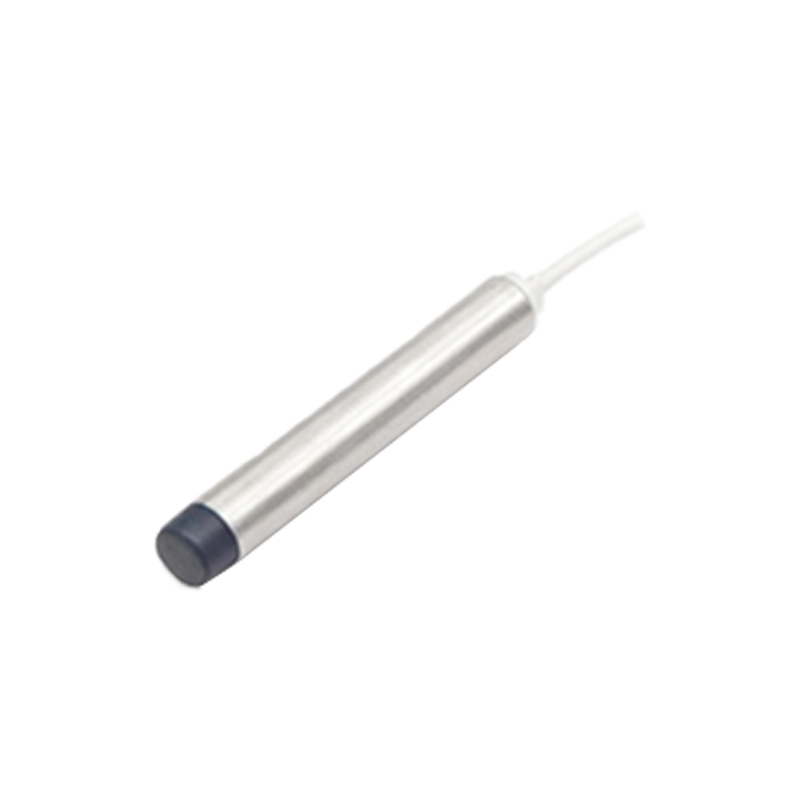
Finally, from a system integration and cost perspective, while individual inductive sensors are relatively inexpensive, their limitations can lead to hidden costs. Applications requiring detection of non-metallics force the use of alternative, often more expensive, technologies like capacitive or ultrasonic sensors. The need for environmental protection, special housings, or complex shielding against interference adds to the total installed cost. Calibration and maintenance, though minimal, are still required, particularly in harsh environments where sensor face cleaning is a periodic necessity.
In conclusion, inductive proximity sensors are powerful tools but are not a universal solution. Their limitations regarding target material, sensing distance sensitivity, environmental susceptibility, and physical constraints must be meticulously evaluated during the design phase. A successful application hinges on aligning the sensor's strengths with the specific demands of the task while proactively engineering around its well-defined weaknesses.
SEO Keywords:inductive proximity sensor limitations, metal detection sensor disadvantages, industrial sensor drawbacks, sensing range reduction, electromagnetic interference
SEO Description:Explore the key disadvantages of inductive proximity sensors, including restricted target materials, variable sensing ranges, environmental interference, and installation constraints critical for industrial automation design.