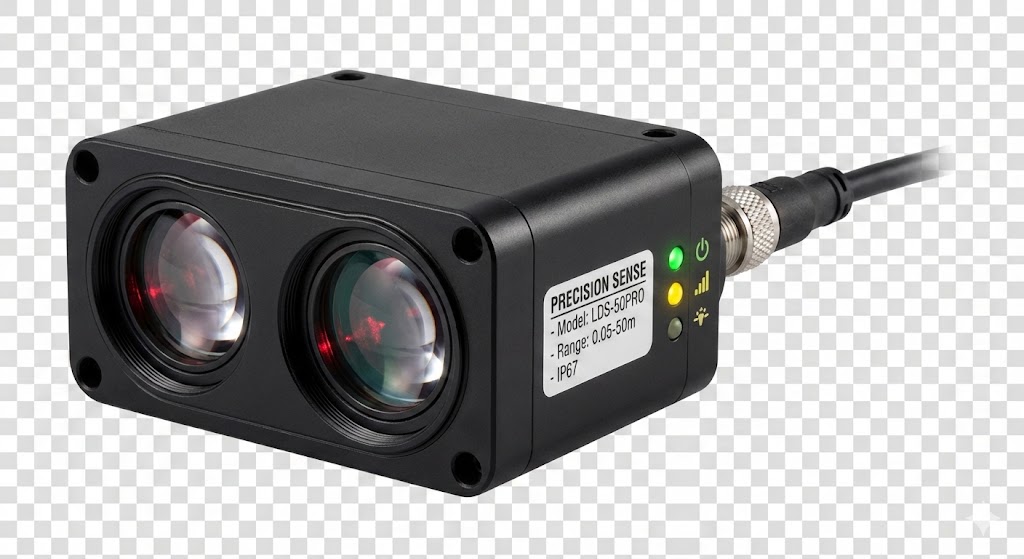
In the realm of industrial automation and precision engineering, laser distance sensors have emerged as indispensable tools for linear measurement. These devices operate on the principle of time-of-flight or phase-shift measurement, where a laser diode emits a focused beam of light toward a target. The sensor then calculates the distance by measuring the time it takes for the reflected light to return or by analyzing the phase shift between the emitted and reflected signals. This technology enables non-contact, high-speed, and highly accurate measurements, which are critical in applications such as robotic guidance, conveyor belt monitoring, dimensional inspection, and assembly line verification.
The core advantage of laser sensors for linear measurement lies in their exceptional precision and repeatability. Modern sensors can achieve micrometer-level accuracy over distances ranging from a few millimeters to several hundred meters, depending on the model and environmental conditions. Unlike traditional contact probes or ultrasonic sensors, laser beams are unaffected by material properties like color, texture, or reflectivity to a significant degree, although highly reflective or absorbent surfaces may require specific calibration. This makes them versatile for diverse industrial settings, from automotive manufacturing to electronics production.
When selecting a laser distance sensor for linear applications, engineers must consider several key parameters. Measurement range, resolution, linearity error, and response time are primary factors. For instance, in a high-speed packaging line, a sensor with a fast response time ensures real-time monitoring without slowing down the process. Additionally, environmental factors such as ambient light, dust, vibration, and temperature fluctuations can impact performance. Many industrial-grade sensors are equipped with robust housings (IP67 ratings are common) and integrated filters to mitigate these interferences, ensuring reliable operation in harsh conditions.
Integration into automated systems is streamlined through various output interfaces. Analog outputs (e.g., 4-20 mA, 0-10 V) provide continuous distance data, while digital interfaces like RS-485, Ethernet/IP, or PROFINET enable seamless communication with PLCs and SCADA systems. Advanced sensors also feature programmable logic and multi-point measurement capabilities, allowing for complex tasks such as edge detection, thickness measurement, or profile scanning. For example, in lumber processing, laser sensors can precisely measure board thickness along multiple points to ensure consistency and minimize waste.
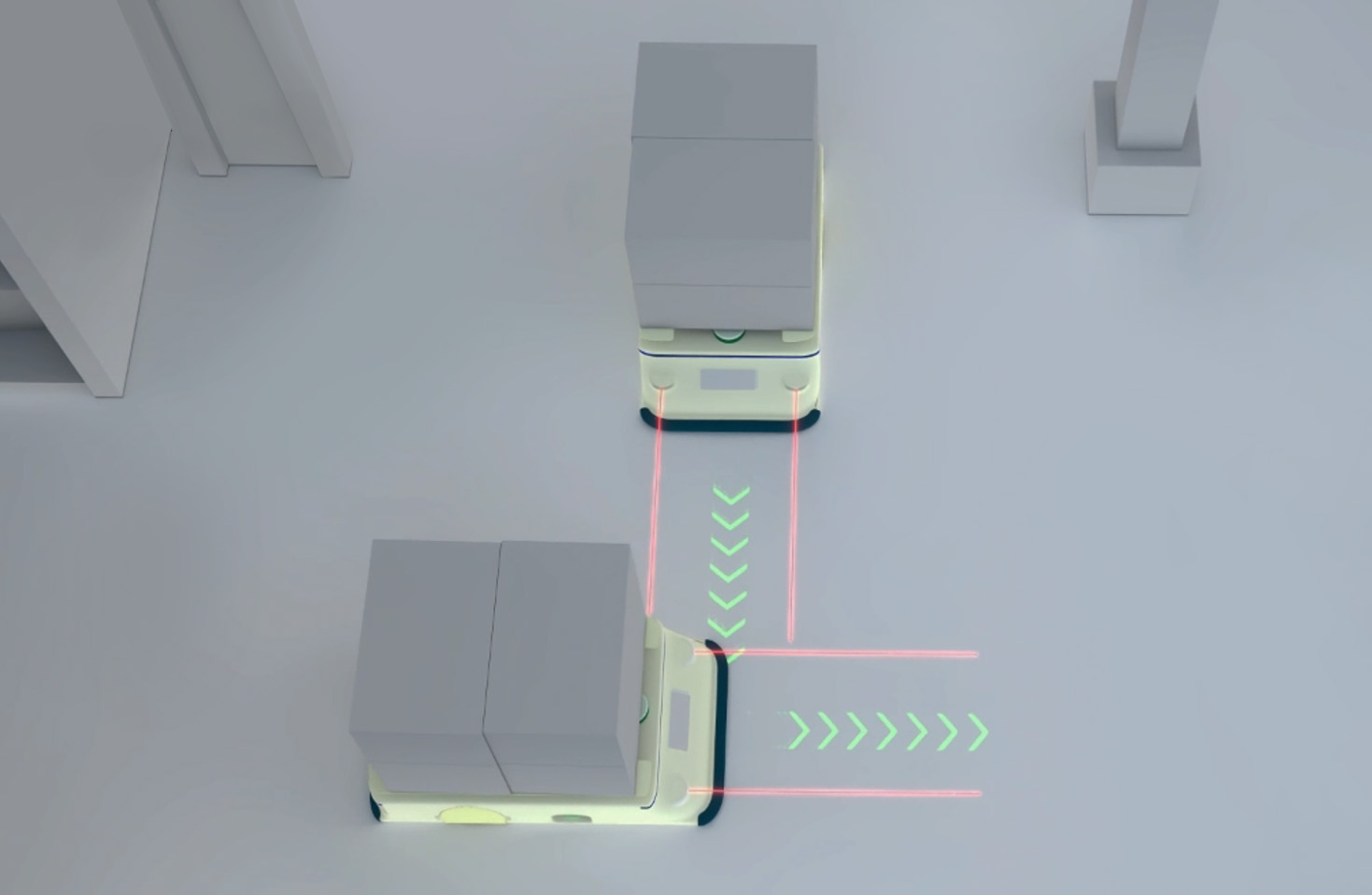
Calibration and maintenance are straightforward but essential for sustained accuracy. Periodic calibration against known reference targets helps correct drift over time. Most sensors include self-diagnostic functions and status indicators to alert operators to potential issues like lens contamination or alignment errors. Proper installation—ensuring the laser beam is perpendicular to the target surface and free from obstructions—is crucial to avoid cosine error, which can introduce measurement inaccuracies.
Looking ahead, advancements in laser sensor technology continue to push boundaries. Innovations such as blue laser diodes offer improved performance on organic materials, while integrated AI algorithms enable adaptive sensing for dynamic environments. The rise of Industry 4.0 and IoT connectivity further enhances their role, with sensors providing predictive analytics and real-time data to optimize production efficiency. In summary, laser distance sensors for linear measurement are vital components in modern industrial automation, offering unparalleled precision, flexibility, and reliability. Their ability to deliver accurate data in real-time supports quality control, reduces downtime, and drives operational excellence across countless applications.