In modern industrial automation, laser sensors have become indispensable tools for precision measurement, object detection, and quality control. A critical aspect of their functionality lies in their digital input capabilities, which enable seamless integration with control systems and enhance operational efficiency. This article delves into the fundamentals, applications, and best practices for digital inputs in laser sensors, providing insights for engineers and technicians in the electrical and automation fields.
Digital inputs in laser sensors refer to electrical signals received by the sensor to trigger specific actions or modify operational parameters. Typically, these inputs accept binary signals—such as ON/OFF or HIGH/LOW states—from external devices like programmable logic controllers (PLCs), switches, or other sensors. Common voltage levels for digital inputs include 24 VDC, which is standard in industrial environments, though 5 VDC or 12 VDC options are also available for low-power applications. When a digital input is activated, it can initiate functions like starting or stopping measurements, changing sensitivity settings, or outputting data to a network. This allows for dynamic control in real-time processes, reducing manual intervention and improving system responsiveness.
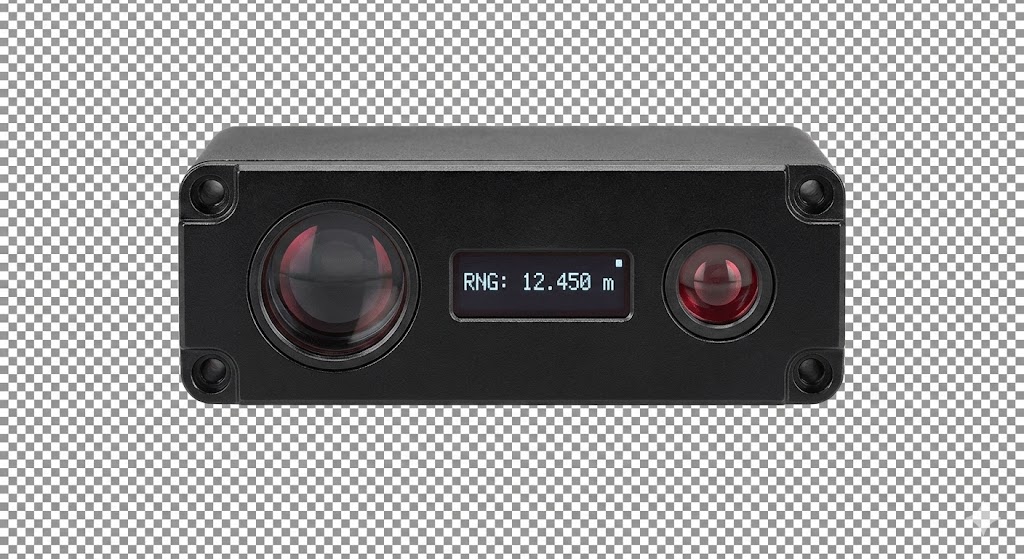
The integration of digital inputs enhances the versatility of laser sensors in various industrial scenarios. For instance, in conveyor belt systems, a digital input from a photoelectric sensor can signal a laser sensor to begin scanning an object as it passes by, ensuring accurate dimensional checks or defect detection. In robotic assembly lines, digital inputs from safety interlocks or position sensors can trigger laser-based alignment or welding operations, maintaining precision and safety. Additionally, in packaging machinery, digital inputs enable synchronization with other equipment, such as activating a laser mark only when a product is correctly positioned. These applications highlight how digital inputs facilitate automation, reduce cycle times, and minimize errors in high-speed production environments.
When implementing digital inputs in laser sensors, several technical considerations must be addressed to ensure reliability and compatibility. First, engineers should verify the input voltage and current specifications to match the sensor with the control system, avoiding issues like signal dropout or damage from overvoltage. Isolation techniques, such as optocouplers or relays, are often recommended to protect sensitive sensor circuits from electrical noise or surges common in industrial settings. Wiring practices also play a crucial role; using shielded cables and proper grounding can prevent electromagnetic interference (EMI) from affecting signal integrity. Furthermore, configuring the input response time—the delay between receiving a signal and executing an action—is essential for applications requiring high-speed synchronization. Most laser sensors offer programmable settings via software or hardware interfaces, allowing customization based on process demands.
Beyond basic functionality, advanced laser sensors incorporate features like multiple digital inputs for complex control logic. For example, a sensor might have separate inputs for teach-in commands (to set measurement thresholds), reset functions, or mode selection. This flexibility supports sophisticated automation sequences, such as conditional triggering based on input combinations. In networked systems, digital inputs can interface with Industrial Ethernet protocols like EtherNet/IP or PROFINET, enabling centralized monitoring and data logging. Engineers should consult manufacturer documentation to leverage these capabilities fully, ensuring optimal sensor performance within a broader Industry 4.0 framework.
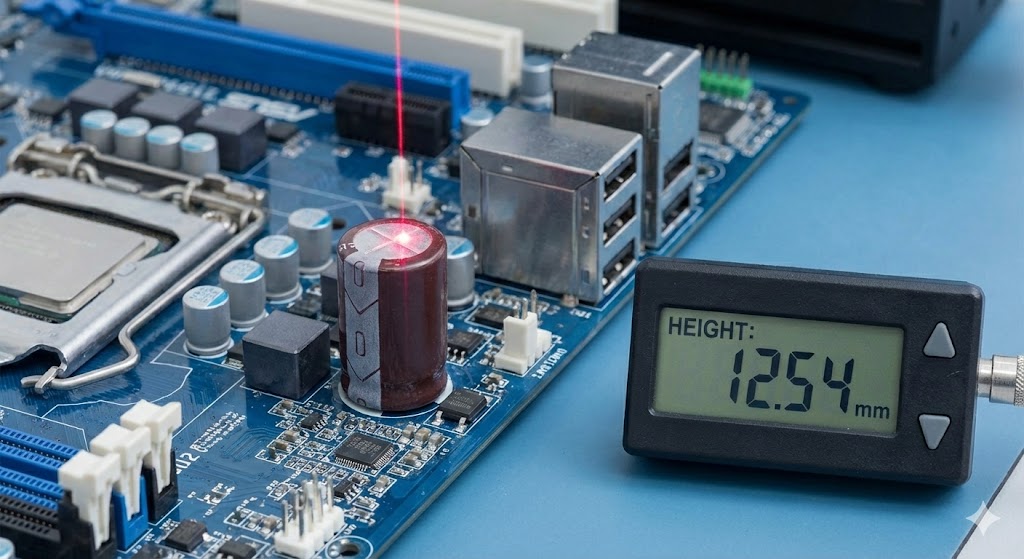
Maintenance and troubleshooting of digital inputs involve regular checks for signal consistency and connection integrity. Common issues include loose wiring, voltage drops, or environmental factors like dust or moisture affecting contacts. Using diagnostic tools like multimeters or oscilloscopes can help identify anomalies, while built-in sensor indicators (e.g., LED status lights) provide quick visual feedback. Preventive measures, such as periodic calibration and adherence to environmental ratings (e.g., IP67 for dust and water resistance), prolong sensor lifespan and reduce downtime.
In summary, digital inputs are pivotal in maximizing the utility of laser sensors across industrial automation. By enabling precise external control and integration, they contribute to smarter, more efficient manufacturing processes. As technology evolves, trends like IoT connectivity and AI-driven analytics may further enhance digital input functionalities, offering new opportunities for innovation. Engineers are encouraged to stay updated with industry standards and engage with vendor support to implement robust solutions tailored to their specific needs.