The landscape of industrial automation is undergoing a transformative shift, driven by the relentless demand for higher precision, reliability, and intelligence in sensing technologies. At the forefront of this evolution are advanced proximity sensor manufacturing plants, which are no longer mere assembly lines but sophisticated hubs of innovation. These next-generation facilities are redefining production paradigms, integrating cutting-edge processes to deliver sensors that meet the stringent requirements of modern smart factories, autonomous systems, and IoT applications.
A modern proximity sensor production facility is characterized by its seamless blend of automation, material science, and data analytics. The journey begins with the procurement of high-purity raw materials, such as specialized ferrite cores, precision-wound coils, and robust polymer or metallic housings. Stringent incoming quality checks, often automated via machine vision systems, ensure that only materials meeting exacting specifications proceed to the manufacturing floor. The core production process involves the precise winding of coils, a critical step determining the sensor's sensitivity and range. State-of-the-art automated winding machines, equipped with real-time tension control and laser measurement systems, achieve consistency unattainable by manual methods. These coils are then integrated with oscillator circuits and signal conditioning electronics on miniature printed circuit boards (PCBs), utilizing surface-mount technology (SMT) lines that operate with micron-level accuracy.
Encapsulation and housing assembly represent another leap in quality assurance. Advanced injection molding machines form sensor bodies with exceptional dimensional stability and environmental resistance. The encapsulation process, which seals the sensitive internal components, employs novel epoxy resins or silicones that offer superior protection against moisture, chemicals, vibration, and extreme temperatures. Each sensor undergoes a rigorous series of functional tests in climate-controlled chambers, simulating conditions from arctic cold to desert heat. Automated test stations verify key parameters: sensing distance, repeat accuracy, response time, and current consumption. Data from every test is logged into a centralized Manufacturing Execution System (MES), creating a digital twin for each unit. This allows for full traceability and facilitates predictive maintenance of the production equipment itself.
The true intelligence of these plants lies in their adaptive and interconnected nature. Leveraging Industrial Internet of Things (IIoT) platforms, machines communicate seamlessly, optimizing production flow in real-time. Artificial Intelligence algorithms analyze production data to predict potential defects, fine-tune process parameters, and minimize waste. For instance, AI can detect subtle variations in the coil winding process that might lead to a future field failure, prompting immediate corrective action. This shift from reactive to proactive quality control significantly enhances product longevity and customer satisfaction.
Furthermore, sustainability is a core design principle. Leading manufacturers employ closed-loop systems for water and solvent recovery, utilize energy-efficient machinery, and design sensors for longevity and recyclability. The reduction in material waste and energy consumption not only lowers the environmental footprint but also aligns with the global push for greener industrial practices.
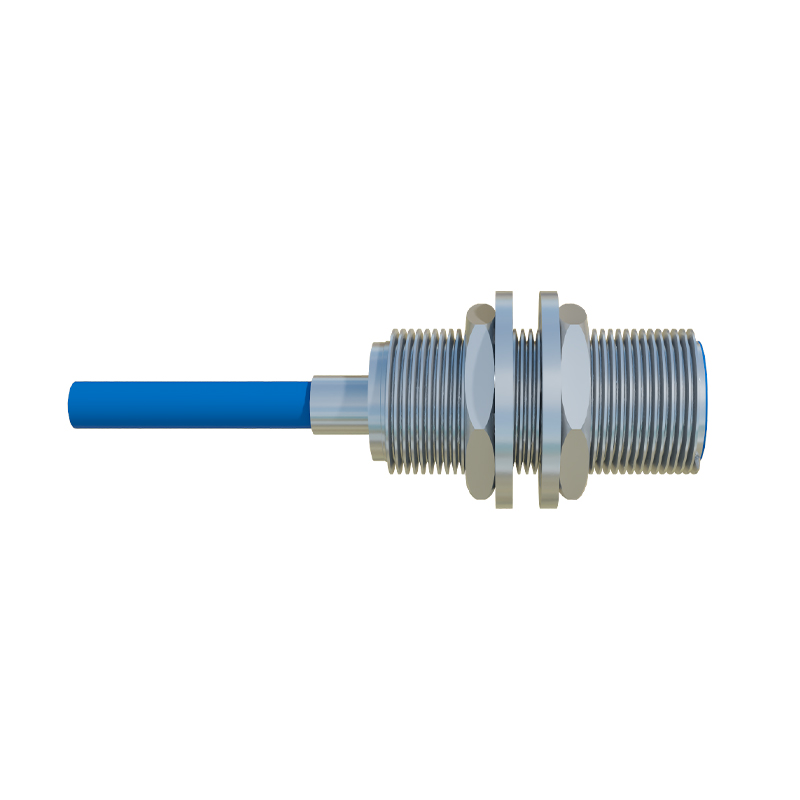
The output of these advanced facilities is a new breed of proximity sensors. They are smaller, yet more powerful; more robust, yet more energy-efficient. Features like IO-Link communication enable sensors to transmit detailed diagnostic and process data, transitioning from simple switching devices to intelligent data points within a networked system. This empowers end-users with predictive maintenance capabilities, reducing unplanned downtime and optimizing overall equipment effectiveness (OEE).
In conclusion, the modern proximity sensor manufacturing plant is a testament to the synergy between precision engineering and digital innovation. It is an ecosystem where advanced robotics, data intelligence, and sustainable practices converge to produce components that are vital for the automated world. As industries continue to embrace Industry 4.0, these factories will remain pivotal, constantly evolving to set new benchmarks for performance, reliability, and smart functionality in sensing technology.