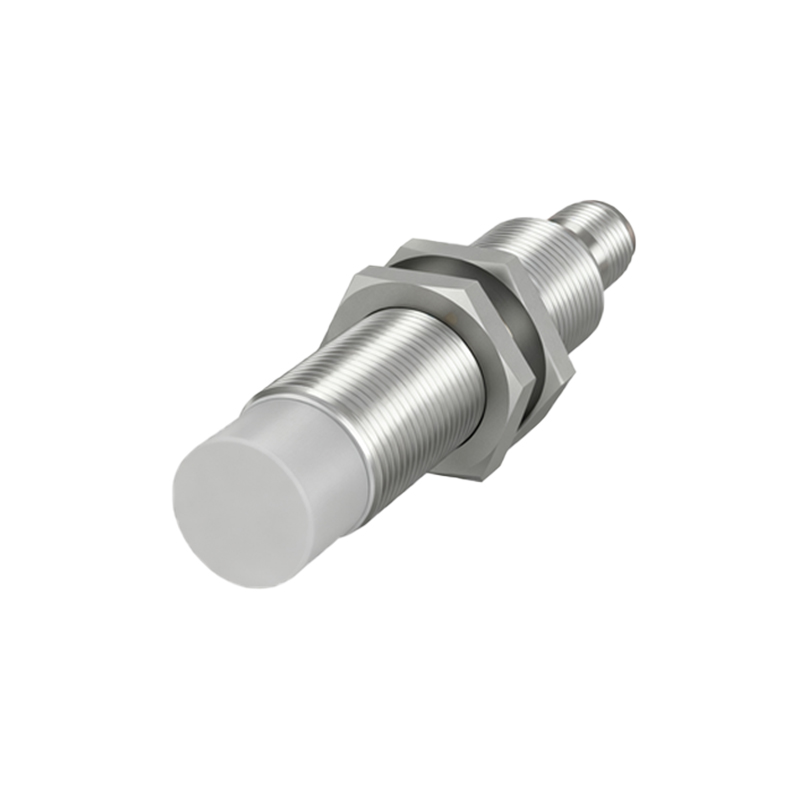
In modern industrial automation, proximity sensor lights play a crucial role in enhancing safety, efficiency, and energy conservation. Among these, the 50cm proximity sensor light stands out as a versatile solution for various applications, from warehouse management to smart building systems. This article delves into the technical specifications, operational principles, and practical benefits of this innovative device, providing a comprehensive overview for engineers and industry professionals.
A 50cm proximity sensor light typically utilizes infrared (IR) or ultrasonic technology to detect human presence within a range of up to 50 centimeters. The sensor emits signals—such as IR beams or sound waves—that bounce off objects within its detection zone. When a person approaches within the specified distance, the reflected signals trigger the light to activate automatically. This hands-free operation is ideal for environments where manual switching is impractical, such as in cleanrooms, storage facilities, or restrooms. The sensor's sensitivity can often be adjusted to minimize false triggers from non-human objects, ensuring reliable performance.
One of the key advantages of a 50cm proximity sensor light is its energy efficiency. By illuminating only when needed, it significantly reduces power consumption compared to traditional lighting systems that remain on continuously. This not only lowers operational costs but also extends the lifespan of the light source, typically an LED module known for its durability and low heat emission. In industrial settings, where lighting accounts for a substantial portion of energy usage, integrating such sensors can lead to substantial savings and support sustainability goals. Additionally, the automatic activation enhances safety by preventing accidents in dimly lit areas, such as corridors or machinery zones, where sudden darkness could pose risks.
Installation and maintenance of a 50cm proximity sensor light are straightforward, making it a popular choice for retrofitting existing systems. Most models are designed for easy mounting on walls, ceilings, or equipment, with weather-resistant options available for outdoor use. Engineers should consider factors like detection angle, response time, and ambient light interference when selecting a model. For instance, in high-traffic areas, a sensor with a wider angle and faster response ensures seamless operation. Regular calibration and cleaning of the sensor lens are recommended to maintain accuracy, especially in dusty or humid environments.
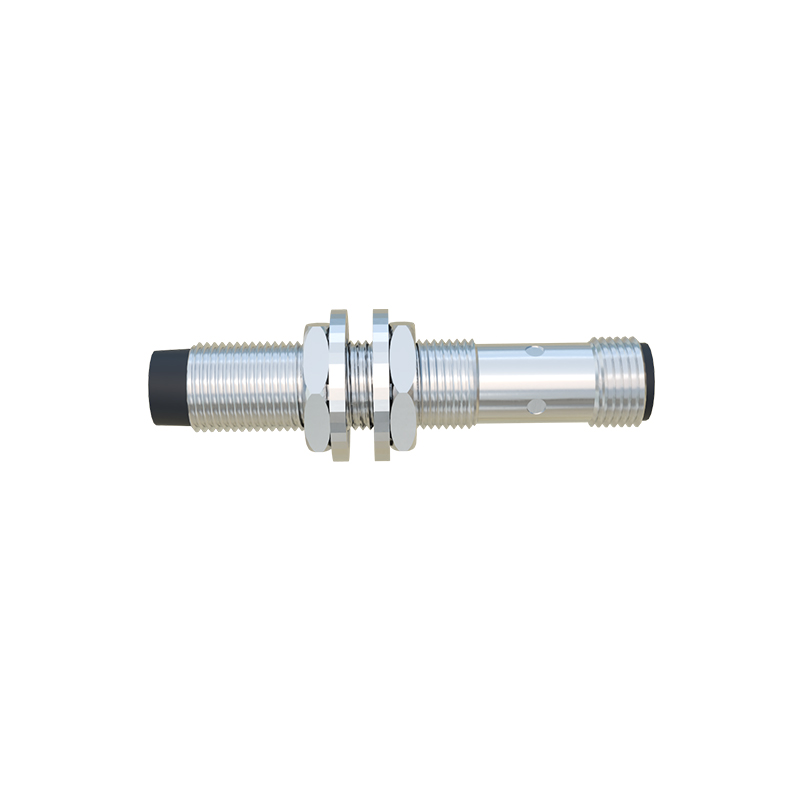
In practical applications, these sensor lights are widely used in industrial automation, security systems, and smart infrastructure. In warehouses, they can activate lighting in aisles only when workers are present, improving visibility while conserving energy. In manufacturing plants, they serve as safety indicators near moving machinery, alerting personnel to potential hazards. The integration with IoT platforms allows for remote monitoring and control, enabling data-driven adjustments based on usage patterns. Case studies show that companies implementing proximity sensor lights report up to 60% reductions in energy costs and enhanced operational safety.
Looking ahead, advancements in sensor technology, such as the incorporation of AI and machine learning, are set to further optimize the performance of 50cm proximity sensor lights. Future models may feature adaptive detection algorithms that distinguish between human and non-human movements with greater precision, reducing energy waste. As industries continue to prioritize automation and sustainability, these devices will remain integral to smart lighting solutions. Engineers are encouraged to stay updated on emerging standards and innovations to leverage their full potential.
In summary, the 50cm proximity sensor light is a reliable, efficient, and safety-enhancing tool for modern industrial environments. Its ability to combine automated control with energy savings makes it a valuable investment for any facility seeking to improve operational efficiency. By understanding its technical aspects and applications, professionals can make informed decisions to integrate this technology effectively.