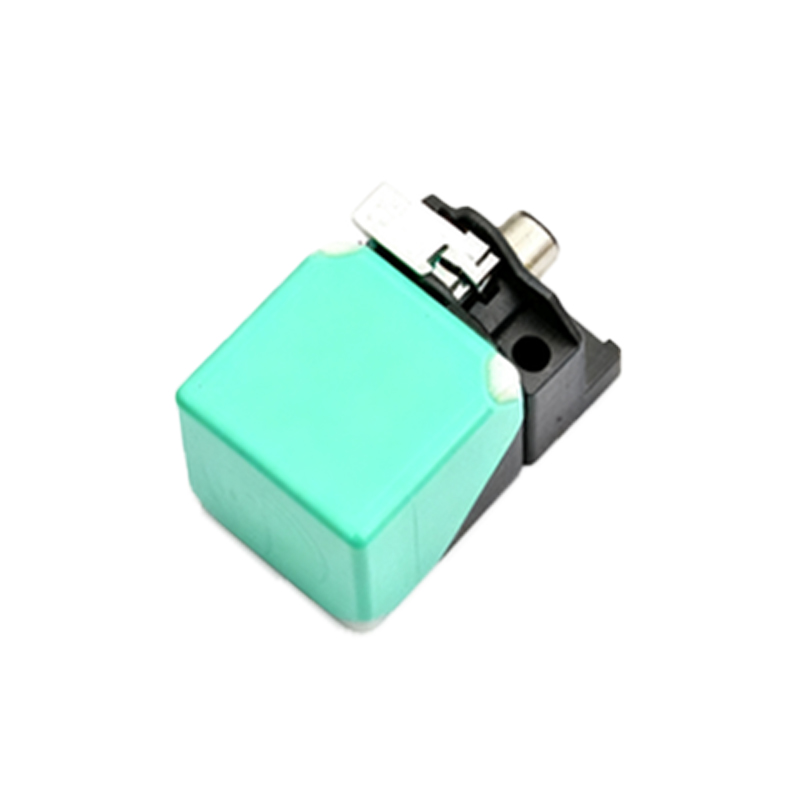
In the rapidly evolving landscape of smart technology, proximity sensors have emerged as indispensable components, driving seamless automation and intuitive user interactions. These sensors, designed to detect the presence or absence of objects without physical contact, are integral to the functionality of modern smart devices, from smartphones and tablets to smart home systems and industrial IoT applications. Their ability to provide precise, real-time data enables devices to respond intelligently to their environment, enhancing both efficiency and user experience.
Proximity sensors operate on various principles, including inductive, capacitive, optical, and ultrasonic technologies. Inductive sensors are ideal for detecting metallic objects, making them suitable for industrial automation and machinery. Capacitive sensors, on the other hand, can detect both metallic and non-metallic materials, such as human skin or liquids, which is why they are commonly used in touchscreens and liquid level monitoring. Optical sensors utilize infrared light to sense objects, offering high accuracy in applications like gesture recognition in smartphones or automatic doors. Ultrasonic sensors use sound waves to measure distance, excelling in environments where other sensors might struggle due to dust or moisture.
The integration of proximity sensors into smart devices has revolutionized user interfaces. In smartphones, for instance, these sensors detect when the device is held to the ear during a call, automatically turning off the display to prevent accidental touches and conserve battery life. In smart home systems, proximity sensors enable lights to turn on as a person enters a room or adjust thermostat settings based on occupancy, contributing to energy savings and convenience. Moreover, in automotive applications, they play a critical role in parking assistance and collision avoidance systems, enhancing safety through real-time object detection.
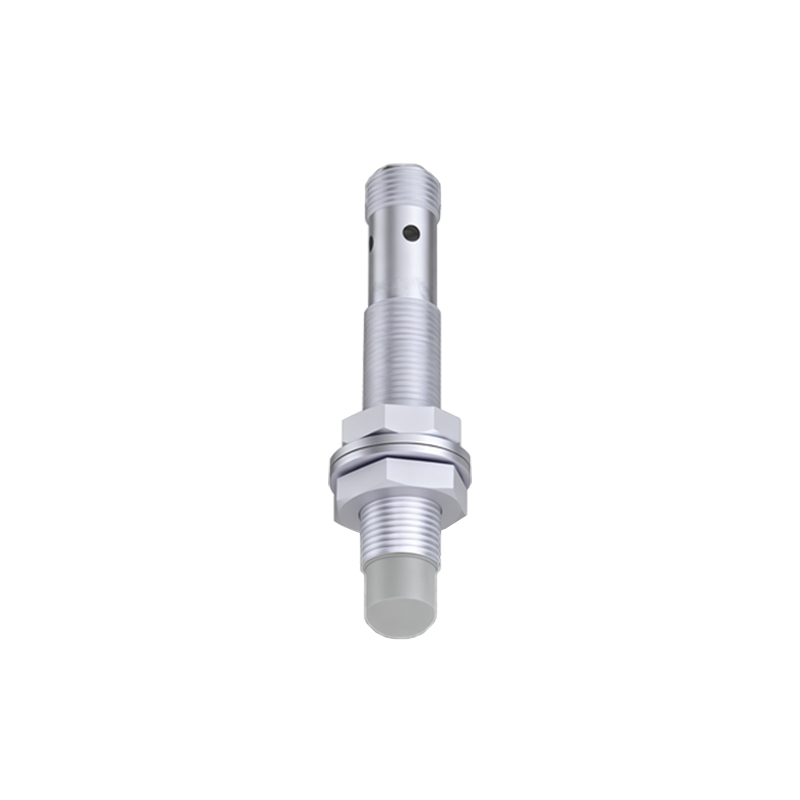
From an engineering perspective, the design and implementation of proximity sensors require careful consideration of factors such as range, response time, power consumption, and environmental robustness. Modern sensors are increasingly miniaturized, allowing them to be embedded into compact devices without compromising performance. Low-power variants are essential for battery-operated smart devices, ensuring longevity and sustainability. Additionally, advancements in sensor fusion—combining data from multiple sensors like accelerometers and gyroscopes—have led to more sophisticated applications, such as augmented reality and advanced robotics.
Industry trends indicate a growing demand for smart proximity sensors with enhanced connectivity features, such as Bluetooth Low Energy (BLE) and Wi-Fi integration, enabling seamless communication within IoT networks. The rise of Industry 4.0 has further propelled their adoption in smart factories, where sensors monitor equipment proximity to prevent accidents and optimize production lines. As artificial intelligence and machine learning continue to advance, proximity sensors are expected to become even smarter, capable of predictive analytics and adaptive responses based on historical data.
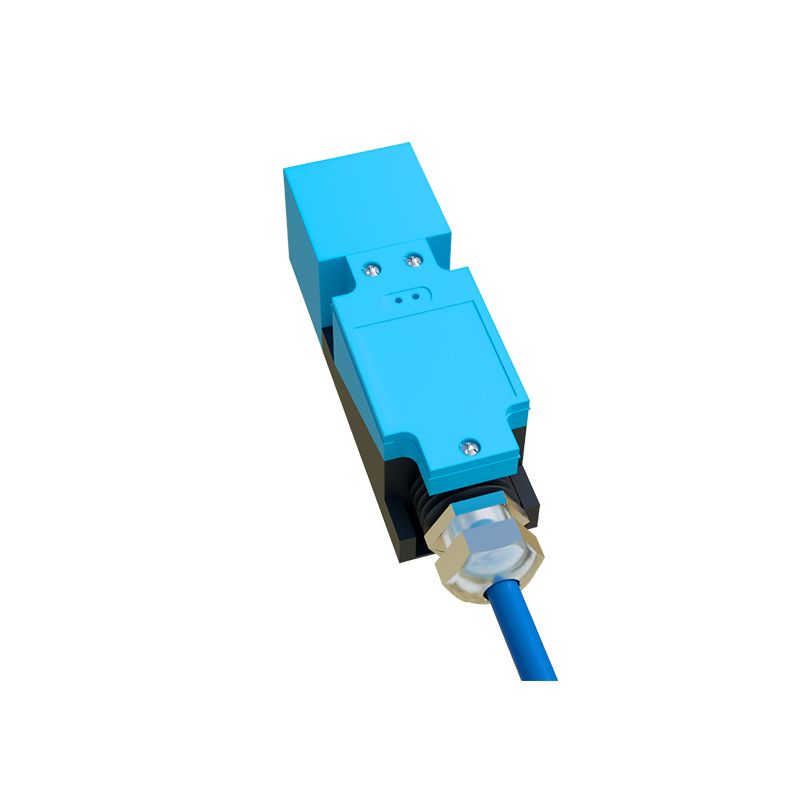
In conclusion, proximity sensors are pivotal to the advancement of smart devices, offering a blend of precision, reliability, and versatility. Their ongoing evolution promises to unlock new possibilities in automation, safety, and user-centric design, solidifying their role as key enablers in the digital transformation era. Engineers and developers must stay abreast of technological innovations to leverage these sensors effectively, ensuring that future smart devices are not only intelligent but also responsive to the nuanced needs of users and industries.