In industrial automation and control systems, proximity switch sensor clamps are critical components for non-contact detection and positioning. These devices operate based on the principle of electromagnetic induction or capacitive sensing, depending on the type of proximity switch used. The primary function of a proximity switch sensor clamp is to detect the presence or absence of a target object without physical contact, ensuring reliable and wear-free operation in harsh environments.
The most common type is the inductive proximity switch, which consists of a coil, an oscillator, a detection circuit, and an output circuit. When an AC current passes through the coil, it generates an alternating magnetic field. When a metallic target object enters this magnetic field, eddy currents are induced on the surface of the target. These eddy currents create their own magnetic field, which opposes the original field generated by the coil. This change in the magnetic field affects the oscillation amplitude in the circuit. The detection circuit monitors this change and triggers the output circuit to switch states, indicating the presence of the target. The sensor clamp securely holds the proximity switch in place, ensuring precise alignment and stable operation even under vibration or mechanical stress.
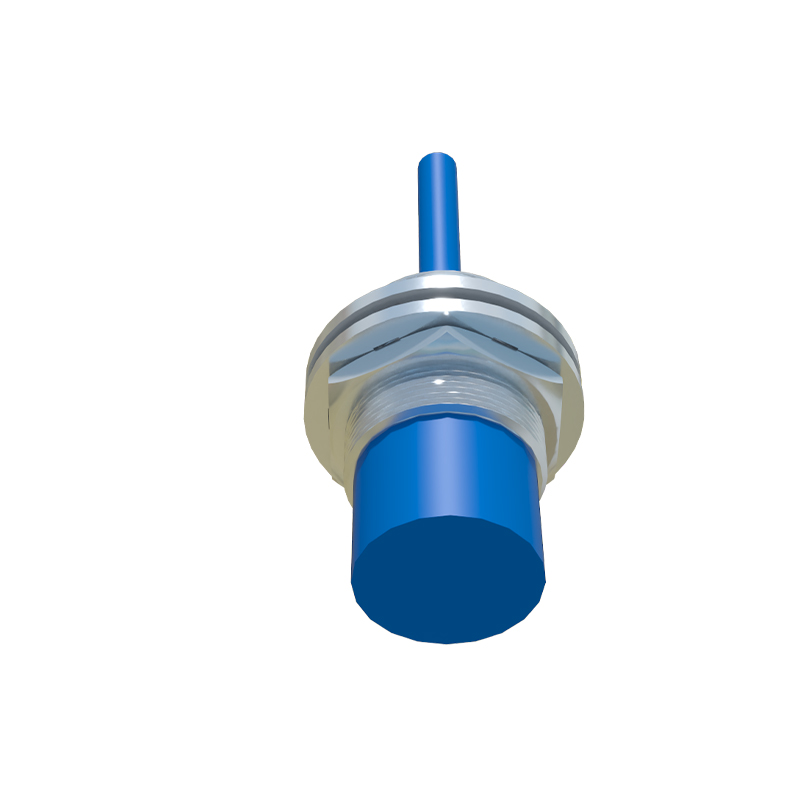
Capacitive proximity switches work on a similar principle but can detect both metallic and non-metallic objects. They utilize a capacitive plate that forms one part of a capacitor, with the target object acting as the other plate. As the target approaches, the capacitance between the plate and the object increases, altering the oscillation in the circuit. This change is detected, and the output is activated. The clamp mechanism for capacitive sensors must account for material properties to avoid interference, often incorporating shielding or specific mounting designs.
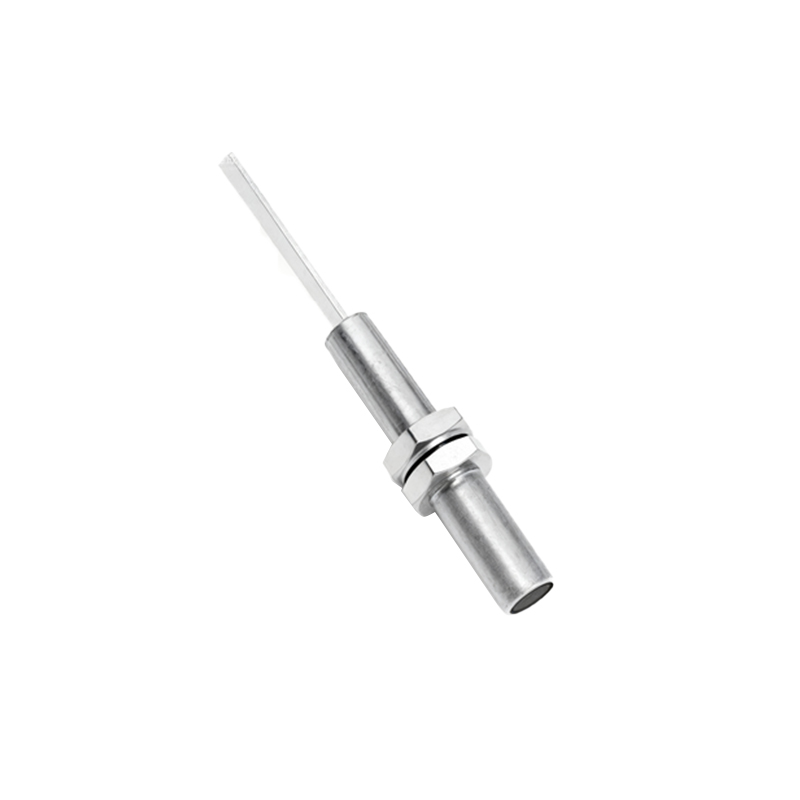
The design of the sensor clamp is crucial for optimal performance. It typically includes features such as adjustable mounting brackets, vibration dampeners, and environmental seals to protect against dust, moisture, and temperature extremes. Proper installation ensures that the sensing face is correctly oriented toward the target, minimizing false triggers and maximizing detection range. In applications like conveyor systems, robotic arms, or machine tools, these clamps enable precise control over positioning, counting, and safety interlocks.
Advancements in technology have led to the development of more compact and intelligent proximity switch sensor clamps. Some modern versions integrate diagnostic functions, such as LED indicators for status monitoring or IO-Link communication for real-time data exchange with control systems. This enhances maintenance efficiency and reduces downtime. When selecting a proximity switch sensor clamp, factors like sensing distance, target material, environmental conditions, and output type (e.g., NPN, PNP, or analog) must be considered to match specific application needs.
In summary, proximity switch sensor clamps rely on electromagnetic or capacitive principles to enable accurate, non-contact detection. Their robust clamping mechanisms ensure stability and longevity in industrial settings, contributing to enhanced automation and productivity. As industries evolve toward smarter manufacturing, these components continue to play a vital role in ensuring seamless and efficient operations.