Square metal proximity switch sensors represent a critical component in modern industrial automation, offering robust performance and reliable detection capabilities. These sensors are designed to detect the presence or absence of metallic objects without physical contact, making them ideal for harsh environments where durability and precision are paramount. Unlike cylindrical sensors, square metal proximity switches provide a compact form factor that facilitates easy installation in tight spaces, while their metal housings—typically constructed from stainless steel or nickel-plated brass—ensure resistance to mechanical stress, chemicals, and extreme temperatures.
The operating principle of square metal proximity sensors is based on electromagnetic induction. Inside the sensor, an oscillator generates a high-frequency electromagnetic field that extends from the active face. When a metallic object enters this field, eddy currents are induced in the target, causing a change in the oscillator's amplitude. This change is detected by the sensor's circuitry, which then triggers an output signal—either analog or digital—to indicate the object's presence. This non-contact detection method eliminates wear and tear, ensuring long service life and minimal maintenance. Key specifications include sensing range, which typically ranges from 2 to 40 millimeters depending on the sensor size and target material, response frequency for high-speed applications, and output types such as PNP, NPN, or analog configurations.
In industrial settings, square metal proximity switches are widely used in manufacturing lines, packaging machinery, material handling systems, and automotive assembly. Their square shape allows for flush mounting, reducing the risk of damage from accidental impacts. Additionally, many models feature LED indicators for status monitoring and short-circuit protection to enhance safety. When selecting a sensor, engineers must consider factors like environmental conditions (e.g., exposure to dust, moisture, or vibrations), target material (ferrous or non-ferrous metals), and required certifications (e.g., IP67 for water and dust resistance). Proper installation involves aligning the sensor perpendicular to the target surface and maintaining the specified sensing distance to avoid false triggers.
Advancements in sensor technology have led to the development of square metal proximity switches with enhanced features, such as IO-Link communication for real-time data exchange and diagnostics, or high-temperature variants capable of operating up to 150°C. These innovations support Industry 4.0 initiatives by enabling predictive maintenance and seamless integration into smart factory networks. Despite their robustness, users should avoid common pitfalls like installing sensors near strong electromagnetic interference or using them with non-metallic targets, as this can affect accuracy. Regular testing with the intended metal objects is recommended to ensure optimal performance.
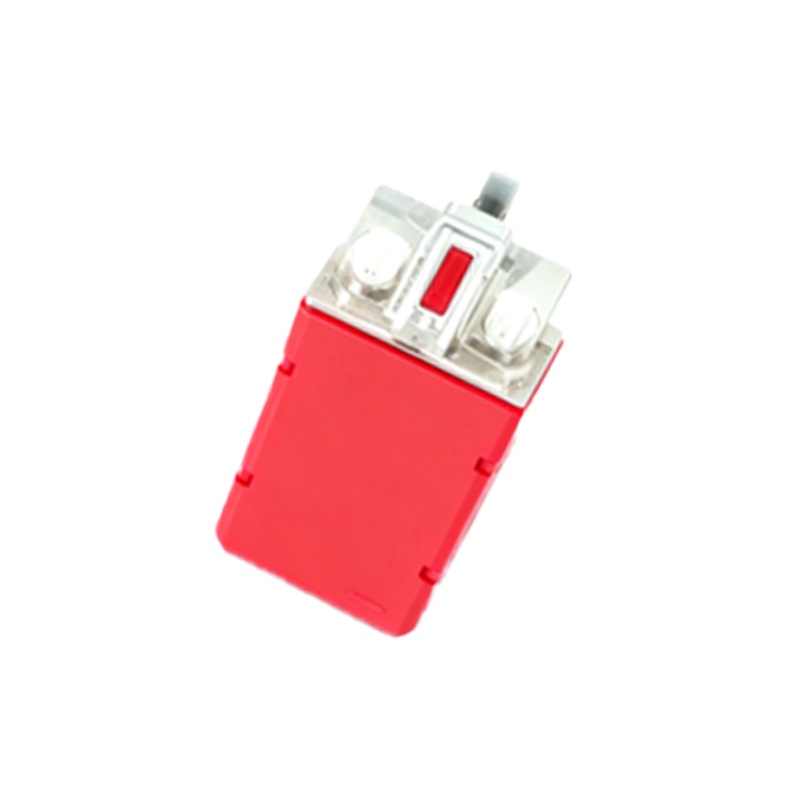
Overall, square metal proximity switch sensors are indispensable tools for industrial automation, combining durability, precision, and versatility. Their ability to operate reliably under demanding conditions makes them a preferred choice for engineers seeking to improve efficiency and reduce downtime in automated systems. As industries continue to evolve, these sensors will play a pivotal role in enabling more responsive and intelligent manufacturing processes.