In industrial automation and control systems, proximity sensors play a critical role in detecting the presence or absence of objects without physical contact. Selecting the right proximity sensor is essential for ensuring system reliability, efficiency, and safety. This article outlines key principles to guide engineers in choosing appropriate proximity sensors for various applications.
First, understand the sensing requirements. Determine the object material to be detected—metallic, non-metallic, liquid, or granular. Inductive proximity sensors are ideal for detecting ferrous and non-ferrous metals, while capacitive sensors can handle non-metallic materials like plastics, wood, or liquids. For transparent or small objects, photoelectric sensors might be preferable, though they are not strictly proximity sensors but often considered in similar contexts.
Second, consider the sensing distance. The nominal sensing range specified by manufacturers is typically under ideal conditions. In practice, factors like temperature, humidity, and target size can affect performance. Always account for a safety margin—select a sensor with a rated sensing distance 20-30% greater than the actual required distance to compensate for environmental variations and installation tolerances.
Third, evaluate the environmental conditions. Industrial settings may involve extreme temperatures, moisture, dust, chemicals, or vibration. Choose sensors with appropriate ingress protection (IP) ratings—for example, IP67 for dust-tight and waterproof designs in harsh environments. Additionally, consider temperature ratings; standard sensors typically operate between -25°C to 70°C, but specialized variants are available for cryogenic or high-temperature applications exceeding 100°C.
Fourth, assess the output type and electrical characteristics. Proximity sensors commonly provide digital outputs (PNP or NPN transistor-based) or analog outputs (4-20 mA or 0-10 V). Match the output to the control system input—PLC, relay, or microcontroller. Ensure compatibility with supply voltage (e.g., 10-30 V DC or 90-250 V AC) and current capacity. Also, check response time; high-speed applications like packaging or robotics may require sensors with response frequencies above 1 kHz.
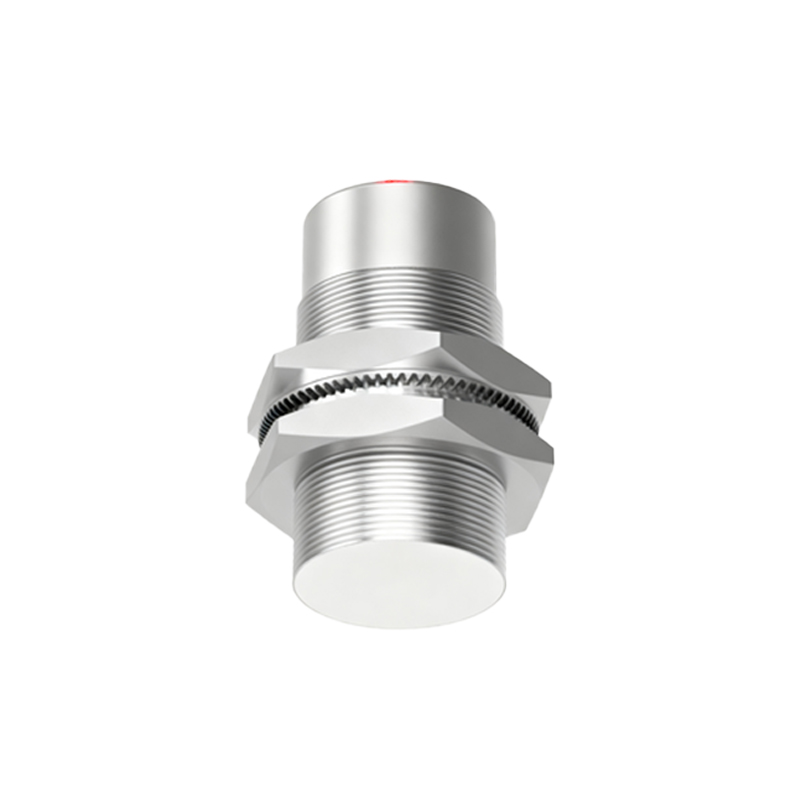
Fifth, prioritize mechanical design and installation. Factors include housing material (stainless steel for corrosive environments, plastic for lightweight needs), shape (cylindrical, rectangular, or ring-shaped), and mounting options (flush or non-flush). Flush-mounted inductive sensors are less susceptible to interference from surrounding metals, while non-flush versions offer longer sensing ranges. Ensure proper alignment and avoid obstructions that could cause false triggers.
Sixth, factor in cost and lifecycle. While initial cost is important, consider total ownership expenses, including maintenance, durability, and replacement frequency. High-quality sensors from reputable brands may have a higher upfront cost but often reduce downtime and long-term operational costs. Look for certifications like UL, CE, or IEC to ensure compliance with industry standards.
Lastly, test in real-world conditions whenever possible. Simulate the actual operating environment during selection to verify performance. Consult manufacturer datasheets for detailed specifications on repeat accuracy, hysteresis, and temperature drift. By adhering to these principles, engineers can optimize sensor selection, enhance system performance, and minimize operational risks in diverse industrial scenarios.
In summary, selecting proximity sensors involves a holistic approach—balancing technical requirements, environmental factors, electrical compatibility, mechanical constraints, and economic considerations. Always stay updated with technological advancements, such as IO-Link enabled sensors for smart factory integration, to future-proof your applications.