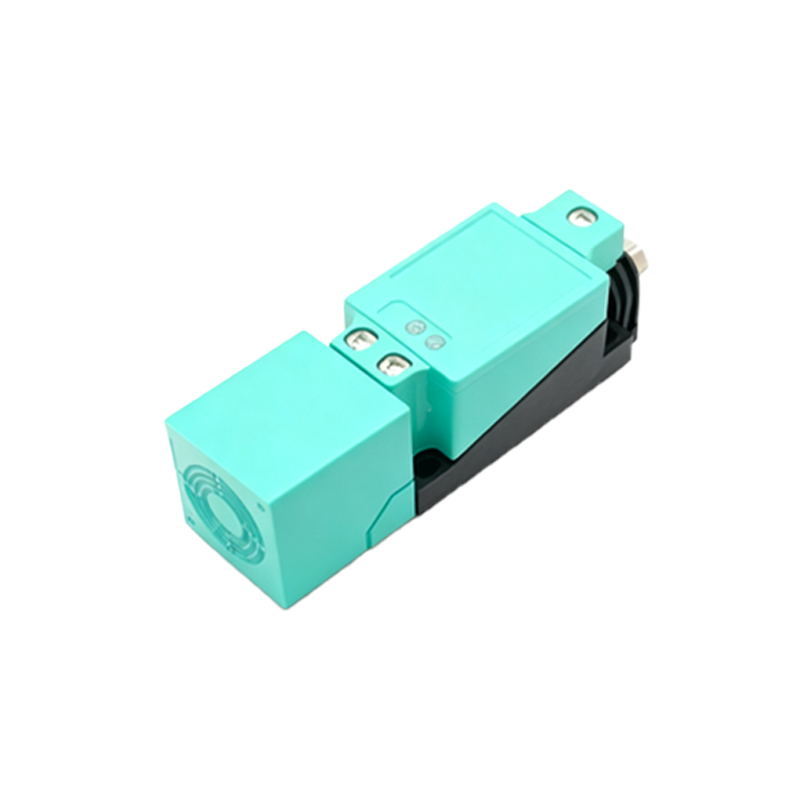
In the realm of industrial automation and control systems, proximity sensors are indispensable components for detecting the presence or absence of objects without physical contact. Among the various configurations available, the concept of a "three-in-one" proximity sensor has gained significant traction due to its versatility and efficiency. This article delves into what constitutes a three-in-one proximity sensor, its core types, practical applications, and key considerations for selection.
A three-in-one proximity sensor typically refers to a device that integrates three primary sensing technologies or functionalities into a single unit. This integration aims to provide enhanced flexibility, reduce installation space, and simplify system design. The most common interpretation involves combining inductive, capacitive, and photoelectric sensing principles. However, it can also denote sensors that merge detection, measurement, and output control functions, or those designed to handle multiple detection modes such as presence, position, and speed sensing within one housing.
The first core type is the inductive-capacitive-photoelectric combo sensor. Inductive sensors are ideal for detecting metallic objects using electromagnetic fields, offering high precision for metals. Capacitive sensors can detect both metallic and non-metallic materials by measuring changes in capacitance, making them suitable for liquids, plastics, or granular substances. Photoelectric sensors utilize light beams to detect objects, excelling in long-range and precise detection. By integrating these three, a single sensor can adapt to diverse materials and environments, reducing the need for multiple sensor units.
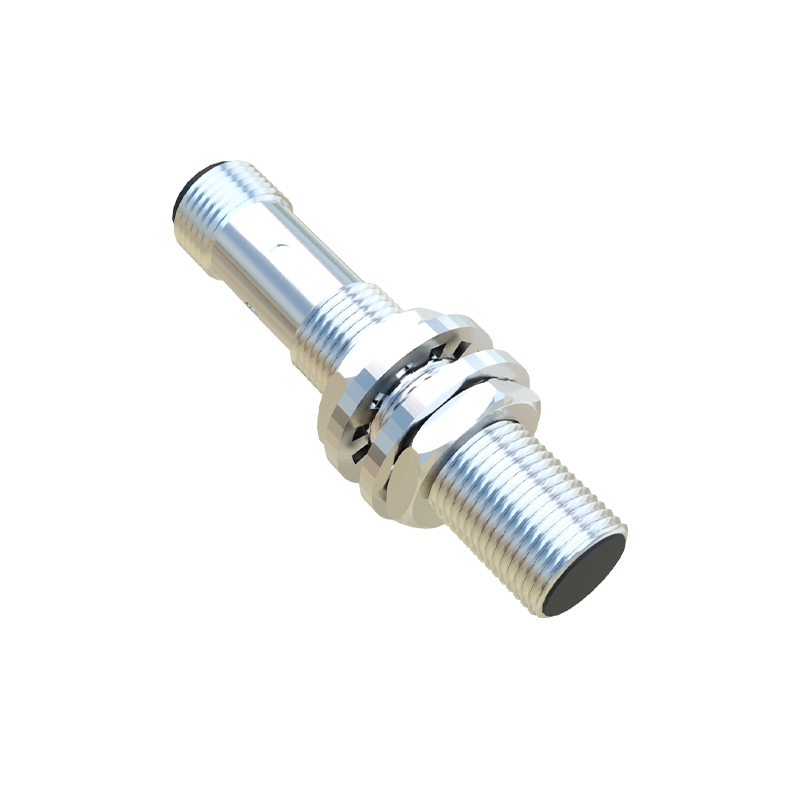
Another variant focuses on multifunctional output. Here, the "three-in-one" aspect may refer to a sensor that provides analog output (e.g., 4-20 mA or 0-10 V for continuous measurement), digital output (for simple on/off detection), and communication capabilities (such as IO-Link for data exchange and parameterization). This allows seamless integration into complex control systems, enabling real-time monitoring and adjustments.
Applications of three-in-one proximity sensors span across various industries. In manufacturing, they are used in assembly lines for object detection, sorting, and quality control, where different materials like metal parts, plastic containers, or glass items must be identified. In automotive production, these sensors monitor component presence, measure gaps, and control robotic arms. Packaging industries benefit from their ability to detect varied product types on conveyor belts, while logistics employ them for inventory management and automated guided vehicle (AGV) navigation. Their robustness also makes them suitable for harsh environments, such as in food processing or chemical plants, where resistance to moisture, dust, or temperature fluctuations is crucial.
When selecting a three-in-one proximity sensor, several factors must be considered to ensure optimal performance. First, assess the detection requirements: determine the material types (metallic, non-metallic, transparent), sensing range, and environmental conditions (e.g., exposure to oils, vibrations, or extreme temperatures). The sensor's housing material, typically stainless steel or plastic, should match the application's durability needs. Output configuration is another critical aspect; choose between PNP or NPN outputs, analog signals, or digital interfaces based on the control system compatibility. Additionally, consider the mounting style (flush or non-flush) and size constraints, as space-saving designs are often a key advantage of three-in-one models. Finally, evaluate the sensor's response time and repeat accuracy to meet process speed and precision demands.
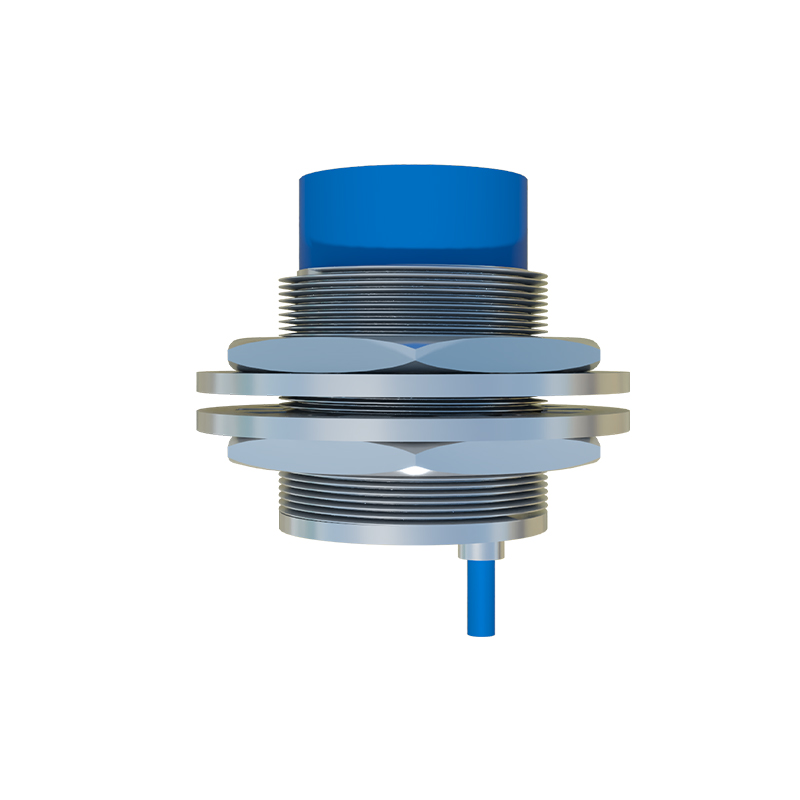
Maintenance and calibration are also important. While three-in-one sensors are designed for reliability, regular checks for alignment, cleanliness, and signal stability can prevent downtime. Many modern versions feature self-diagnostic functions and easy parameter adjustments via software, enhancing their longevity and ease of use.
In conclusion, the three-in-one proximity sensor represents a sophisticated solution for modern industrial challenges, offering a blend of detection technologies or functionalities in a compact form. By understanding its types and applications, engineers can leverage its capabilities to streamline operations, improve efficiency, and adapt to evolving automation needs. As technology advances, we can expect further integration with smart features, making these sensors even more integral to the Industrial Internet of Things (IIoT) and Industry 4.0 initiatives.