Infrared proximity sensors are widely utilized in industrial automation for non-contact distance measurement, leveraging the properties of infrared light to detect objects and calculate their distance from the sensor. These sensors operate by emitting an infrared beam, typically from an LED or laser diode, which reflects off a target object. The reflected light is then captured by a photodetector within the sensor. Based on the time-of-flight (ToF) principle or triangulation method, the sensor processes the signal to determine the distance. In ToF-based sensors, distance is calculated by measuring the time delay between emission and reception of the infrared pulse, offering high accuracy for medium to long ranges. Triangulation sensors, on the other hand, use the angle of the reflected beam to compute distance, making them ideal for short-range applications with precision requirements.
The core components of an infrared proximity sensor include an infrared emitter, a photodetector (such as a photodiode or phototransistor), and signal processing circuitry. The emitter generates infrared radiation at specific wavelengths, usually between 850 nm and 950 nm, which is invisible to the human eye and minimizes interference from ambient light. Advanced sensors incorporate filters or modulated signals to enhance immunity to environmental factors like sunlight or artificial lighting. The photodetector converts the reflected infrared light into an electrical signal, which is then amplified and analyzed by the processing unit. Modern sensors often integrate microcontrollers for real-time data computation, enabling features such as adjustable sensing ranges, output calibration, and communication protocols like I2C or analog interfaces.
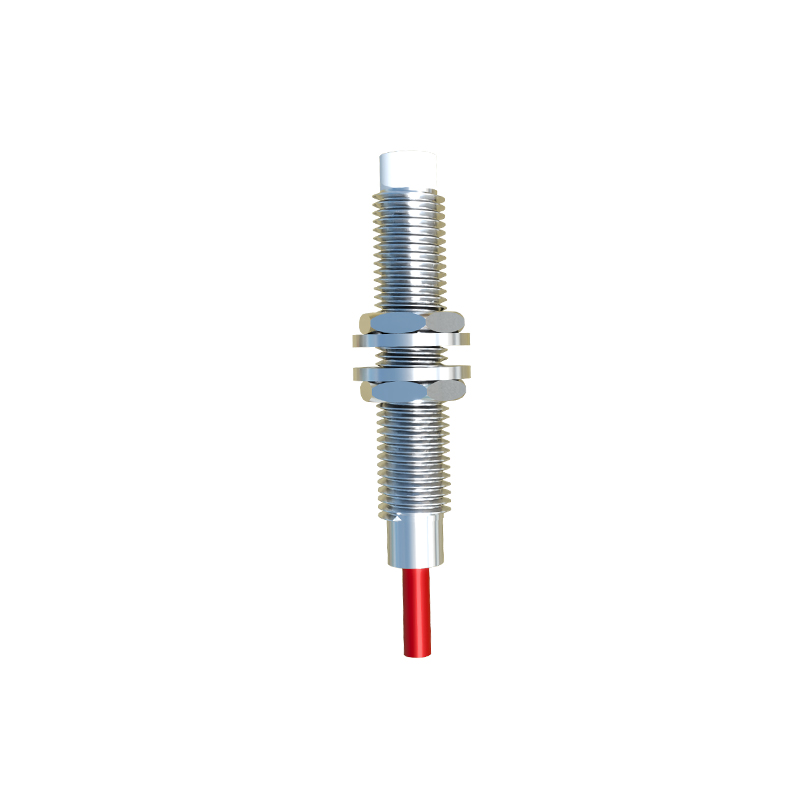
In industrial settings, infrared proximity sensors are valued for their reliability, fast response times, and ability to operate in harsh conditions. They are commonly employed in robotics for obstacle detection, conveyor systems for object positioning, and automated machinery for level monitoring. For instance, in assembly lines, these sensors ensure precise part placement by measuring gaps or alignments without physical contact, reducing wear and tear. Additionally, they are used in safety applications, such as detecting personnel near hazardous equipment to trigger shutdowns. The non-contact nature of infrared sensing eliminates mechanical friction, leading to lower maintenance costs and extended sensor lifespan.
However, challenges exist in using infrared proximity sensors. Factors like object reflectivity, color, and surface texture can affect accuracy, as dark or absorbent materials may reflect less infrared light. Environmental interferences, including dust, fog, or temperature fluctuations, may also impact performance. To mitigate these issues, engineers often calibrate sensors for specific materials or implement multi-sensor arrays for redundancy. Regular maintenance, such as lens cleaning and signal validation, is recommended to ensure consistent operation.
Future trends in infrared proximity sensing include the integration of smart algorithms and IoT connectivity. Sensors with embedded AI capabilities can adapt to changing environments by learning from data patterns, improving accuracy over time. Wireless communication enables remote monitoring and diagnostics, facilitating predictive maintenance in Industry 4.0 frameworks. Moreover, miniaturization and cost reduction are driving adoption in consumer electronics, such as smartphones and home automation devices, expanding the technology's reach beyond traditional industrial uses.
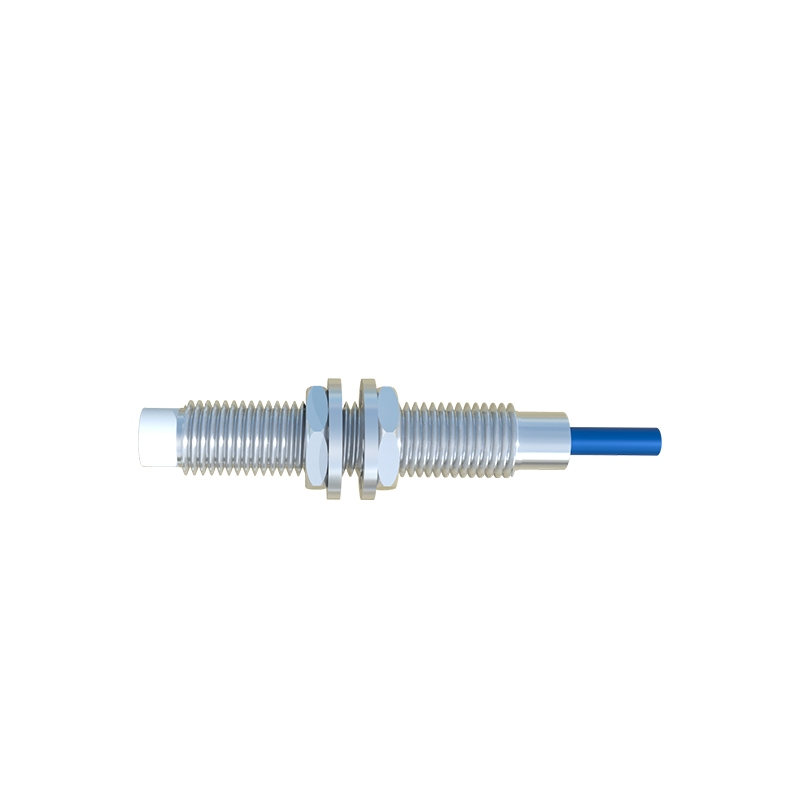
Overall, infrared proximity sensors offer a versatile solution for distance measurement, balancing performance with practicality. By understanding their operating principles and limitations, engineers can deploy them effectively across diverse applications, enhancing automation efficiency and safety. As technology advances, these sensors are poised to become even more integral to intelligent systems, supporting innovations in robotics, automotive, and smart infrastructure.