Proximity sensors are indispensable components in modern industrial automation, enabling non-contact detection of objects within a defined range without physical touch. These sensors enhance efficiency, reliability, and safety in various applications, from manufacturing lines to robotics. Based on their operating principles, proximity sensors can be classified into several distinct types, each suited for specific environments and materials.
The most common type is the inductive proximity sensor. It generates an electromagnetic field and detects changes caused by metallic objects entering this field. Inductive sensors are highly durable, resistant to environmental factors like dust or moisture, and ideal for detecting ferrous and non-ferrous metals. They are widely used in metalworking, automotive assembly, and machinery where precise positioning of metal parts is required. However, they cannot detect non-metallic materials, which limits their application scope.
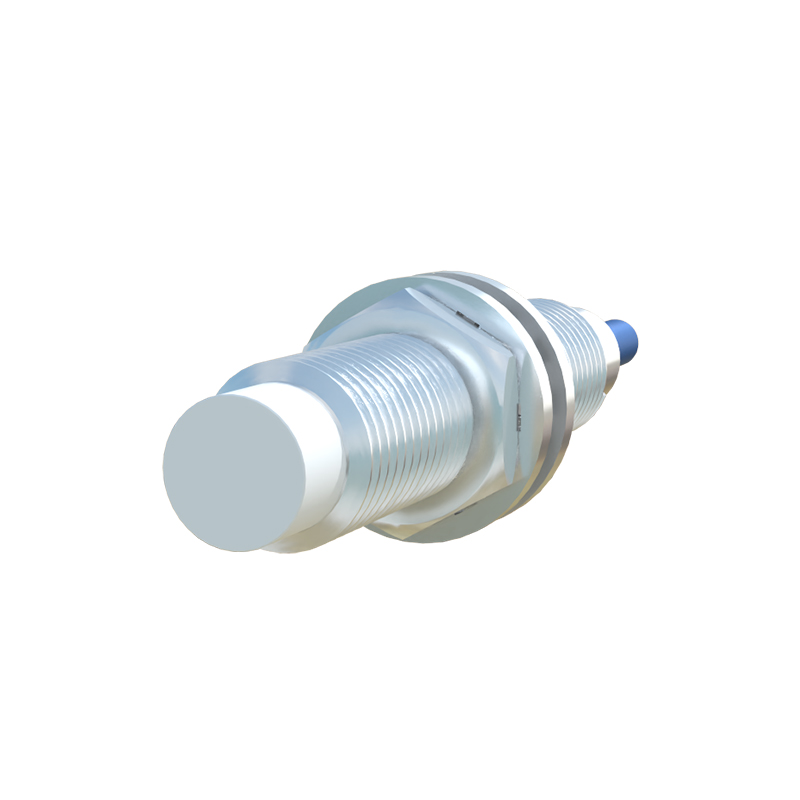
Capacitive proximity sensors operate by sensing changes in capacitance when an object enters their electrostatic field. Unlike inductive sensors, capacitive types can detect both metallic and non-metallic materials, including liquids, plastics, glass, and wood. This versatility makes them suitable for industries like food processing, packaging, and chemical handling, where diverse materials are present. They are also effective in level detection for liquids or granular substances. However, capacitive sensors may be influenced by environmental factors such as humidity or temperature variations, requiring careful calibration.
Magnetic proximity sensors utilize a magnetic field to detect the presence of magnetic objects, typically using reed switches or Hall-effect components. Reed switch sensors activate when a magnet approaches, closing or opening an electrical circuit. Hall-effect sensors generate a voltage change in response to magnetic fields. These sensors are known for their simplicity, low power consumption, and reliability in harsh conditions. They are commonly applied in automotive systems, security devices, and position sensing for valves or doors. Their limitation is that they only respond to magnetic materials, which may restrict use in non-magnetic environments.
Ultrasonic proximity sensors emit high-frequency sound waves and measure the time taken for echoes to return after hitting an object. By calculating the distance based on sound speed, they can detect objects regardless of material composition, including transparent or irregularly shaped items. Ultrasonic sensors excel in applications involving distance measurement, object presence detection, and level monitoring in tanks or silos. They perform well in challenging environments with dust, smoke, or light interference but may be affected by temperature or air turbulence, necessitating periodic maintenance.
Optical proximity sensors, including photoelectric types, use light beams (infrared, laser, or LED) to detect objects. They consist of an emitter and a receiver; when an object interrupts or reflects the light beam, the sensor triggers a response. Optical sensors offer high precision and fast response times, making them ideal for counting, sorting, and packaging tasks in electronics, pharmaceuticals, and logistics. They can detect small or transparent objects but may be prone to interference from ambient light, dirt, or reflective surfaces, requiring clean operating conditions.
Each type of proximity sensor has unique advantages and limitations, influencing selection based on factors like target material, detection range, environmental conditions, and cost. Inductive and capacitive sensors are preferred for robustness in industrial settings, while magnetic sensors offer reliability in specific magnetic applications. Ultrasonic and optical sensors provide flexibility for non-contact detection across diverse materials. Understanding these differences ensures optimal integration into automation systems, enhancing productivity and safety. As technology advances, hybrid sensors and IoT-enabled versions are emerging, offering smarter, more adaptive solutions for future industrial challenges.