In the intricate world of industrial automation, automotive engineering, and machinery control, the accurate measurement of rotational or linear speed is paramount. Among the various technologies employed for this critical task, proximity switches configured as speed sensors stand out for their reliability, durability, and precision. This article delves into the fundamental role these devices play, their operational principles, and their widespread applications.
A proximity switch, in essence, is a sensor that detects the presence or absence of a target object without physical contact. When specifically utilized for speed sensing, it is often referred to as a proximity speed sensor or a non-contact tachometer. The core function is to monitor the passing of teeth on a gear, slots on a disk, or protrusions on a rotating shaft. Each time a target feature passes the sensor's face, it generates a discrete pulse signal. By counting the number of pulses per unit of time, the system's controller can accurately calculate the rotational speed (RPM) or linear velocity.
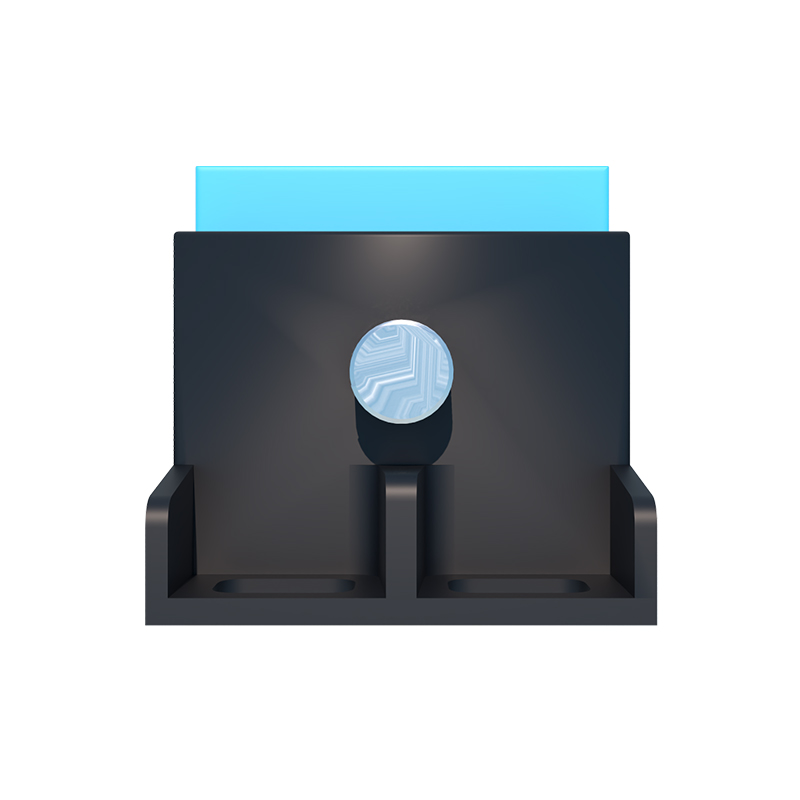
The most common types used for this purpose are inductive and magnetic (Hall-effect) proximity sensors. Inductive sensors generate an electromagnetic field and detect the eddy current losses induced in a metallic target. They are ideal for ferrous metal targets like steel gears. Magnetic proximity switches, on the other hand, react to changes in a magnetic field. A permanent magnet is often embedded in the sensor or attached to the target. When a ferrous gear tooth or a magnetic pole passes by, it alters the magnetic flux, triggering the switch. Hall-effect sensors are a subset that provides a digital output and is highly consistent, making them excellent for precise speed measurement in demanding environments like automotive transmissions.
The advantages of using proximity switches as speed sensors are numerous. Their non-contact nature eliminates mechanical wear, ensuring a long operational life and reducing maintenance needs. They are inherently robust, capable of operating in harsh conditions involving dirt, oil, moisture, and extreme temperatures where optical encoders might fail. They provide a clean, digital signal that is easily processed by Programmable Logic Controllers (PLCs) or other control units. Furthermore, their response time is extremely fast, allowing for the detection of very high speeds with excellent accuracy.
The applications are vast and critical. In the automotive industry, they are ubiquitous. They monitor wheel speed for Anti-lock Braking Systems (ABS) and Traction Control Systems (TCS), measure transmission input and output shaft speeds, and monitor crankshaft and camshaft position for engine management. On factory floors, they are used on conveyor belts to regulate product flow, on motors and turbines for overspeed protection, and in packaging machinery to synchronize operations. In aerospace, they monitor the speed of auxiliary power units and landing gear systems.
Implementing these sensors requires careful consideration. The air gap between the sensor face and the target is crucial and must be within the specified range for reliable operation. The target material, size, and geometry (tooth shape, slot width) must be compatible with the sensor's specifications. Electrical characteristics such as output type (PNP/NPN, NAMUR), voltage supply, and load current must match the control system's requirements. Proper shielding and installation are also vital to avoid electromagnetic interference that could corrupt the pulse signal.
In conclusion, proximity switches serving as speed sensors are indispensable components in modern electromechanical systems. They bridge the gap between physical motion and digital control, providing the essential feedback for safety, efficiency, and precision. From ensuring your car stops safely on a wet road to maintaining the precise speed of a high-throughput production line, their silent, non-contact operation is a cornerstone of reliable automation. As systems become more intelligent and integrated, the demand for robust, accurate, and maintenance-free sensing solutions like these will only continue to grow, solidifying their role in the technological landscape.