Proximity sensors are indispensable components in modern industrial automation, particularly within hydraulic and pneumatic systems. Their primary function is to detect the presence or absence of an object without physical contact, ensuring reliable operation, preventing damage, and enabling precise control. This article delves into the specialized realm of sensors designed to interact with the fundamental elements of many industrial processes: water (hydraulic fluids), wood (in material handling), and air (pneumatic flows). We will explore the operating principles, key selection criteria, and application best practices for these critical devices.
In hydraulic systems, the detection of fluid levels, pressure changes, and component position is paramount. Inductive proximity sensors are commonly employed to detect the metal pistons within hydraulic cylinders. These sensors generate an electromagnetic field; when a metallic target enters this field, it induces eddy currents, causing the sensor to switch. For non-metallic detection, such as monitoring the level of hydraulic oil in a reservoir, capacitive proximity sensors are the tool of choice. They can detect liquids, plastics, and other materials by measuring changes in capacitance. A key consideration is the sensor's housing material and ingress protection (IP) rating. Sensors in hydraulic environments must withstand potential fluid exposure, high pressures, and vibrations. Stainless steel housings with IP67 or IP69K ratings are often specified to ensure longevity. Proper mounting is also critical to avoid false triggers from metal piping or the cylinder body itself.
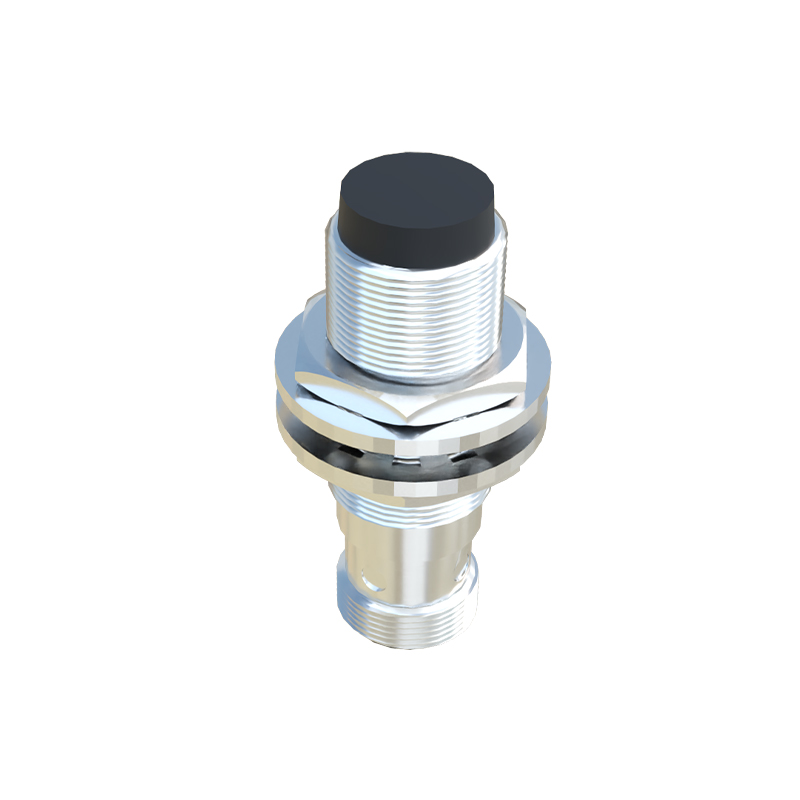
The term "wood sensing" often relates to material handling in industries like lumber, furniture, and packaging. Here, the target is typically non-metallic and may have variable surface properties. Capacitive proximity sensors excel in this domain. They can detect wood, cardboard, glass, and most solid materials by sensing the dielectric constant of the target. Factors such as moisture content in the wood, the type of finish, and the sensing distance all influence performance. For instance, wet wood has a higher dielectric constant than dry wood, potentially increasing the nominal sensing range. Engineers must account for these variations during sensor selection and calibration. In high-speed sawing or routing applications, diffuse reflective photoelectric sensors are also frequently used for wood detection, offering very fast response times for precise positioning or breakage detection.
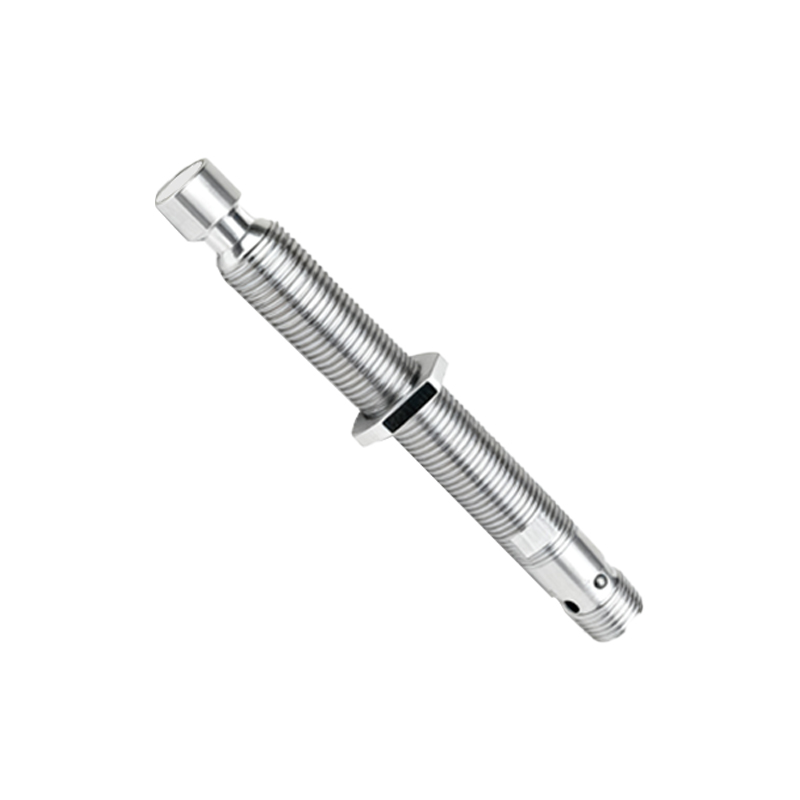
In pneumatic systems, sensors monitor the position of cylinders, the flow of air, and the presence of objects in automated pathways. Magnetic piston reed switches and cylinder-position inductive sensors are the workhorses for detecting cylinder rod position. For detecting the presence of objects conveyed by air or within pneumatic tubes, a variety of sensors apply. Through-beam photoelectric sensors are highly reliable for this purpose, using a separate emitter and receiver to detect any object breaking the light beam. For direct air flow monitoring, specialized sensors like thermal mass flow sensors or pressure switches are used, which fall outside the standard proximity sensor category but are vital for system integrity. A major challenge in pneumatic environments is contamination from oil mist or particulates, necessitating sensors with robust sealing and, for optical types, lenses resistant to fouling.
Selecting the right sensor requires a systematic approach. First, define the target material: metal, liquid, wood, plastic, etc. This immediately narrows the choice to inductive, capacitive, or photoelectric types. Second, determine the required sensing distance, always considering the manufacturer's derating factors for different materials. Third, assess the environmental conditions: temperature range, presence of chemicals, washdown requirements, and potential for mechanical impact. Fourth, define the electrical requirements: operating voltage (e.g., 10-30V DC), output type (PNP/NPN, NO/NC), and connection method (pre-wired or quick-disconnect). Finally, consider the physical form factor: tubular (e.g., M8, M12, M18, M30) or rectangular, and the required mounting hardware.
Installation and maintenance are just as crucial as selection. Ensure the sensor is mounted securely to minimize vibration. For inductive sensors, maintain the recommended clearance from surrounding metal to prevent shielding effects. For capacitive sensors, guard against false triggering from background materials by using the built-in potentiometer to adjust sensitivity. Regular maintenance should include visual inspection for physical damage, cleaning of sensing faces (especially for photoelectric types), and functional testing to verify switching accuracy. Implementing a predictive maintenance schedule that logs sensor performance can prevent unplanned downtime.
In conclusion, proximity sensors for water (hydraulic), wood, and air (pneumatic) applications form the sensory backbone of fluid power and material handling automation. Understanding their distinct technologies—inductive for metals, capacitive for non-metals and liquids, and photoelectric for precise non-contact detection—empowers engineers to design more reliable, efficient, and intelligent systems. As Industry 4.0 advances, these sensors are increasingly equipped with IO-Link capabilities, providing detailed diagnostic data and