Proximity sensors have become indispensable components in modern industrial automation, offering non-contact detection capabilities that enhance efficiency, safety, and reliability across diverse sectors. These devices detect the presence or absence of objects within a specified range without physical contact, utilizing various technologies such as inductive, capacitive, ultrasonic, and photoelectric principles. Their ability to operate in harsh environments—withstanding dust, moisture, and extreme temperatures—makes them ideal for demanding applications.
In manufacturing and assembly lines, inductive proximity sensors are widely employed for metal detection. They ensure precise positioning of robotic arms, monitor conveyor belt movements, and verify part presence in machining centers. For instance, in automotive production, these sensors control welding robots by detecting metal components, thereby maintaining high throughput and minimizing errors. Capacitive sensors, on the other hand, excel in detecting non-metallic materials like plastics, glass, or liquids. They are crucial in packaging industries for level sensing in containers or detecting filled bottles on production lines, ensuring consistent quality and reducing waste.
The logistics and material handling sector relies heavily on photoelectric proximity sensors for object counting, sorting, and inventory management. By emitting light beams and measuring reflections, these sensors can identify items on fast-moving conveyors, enabling automated distribution centers to optimize storage and retrieval processes. Ultrasonic sensors, which use sound waves, are preferred for distance measurement and obstacle detection in automated guided vehicles (AGVs), enhancing navigation safety in warehouses.
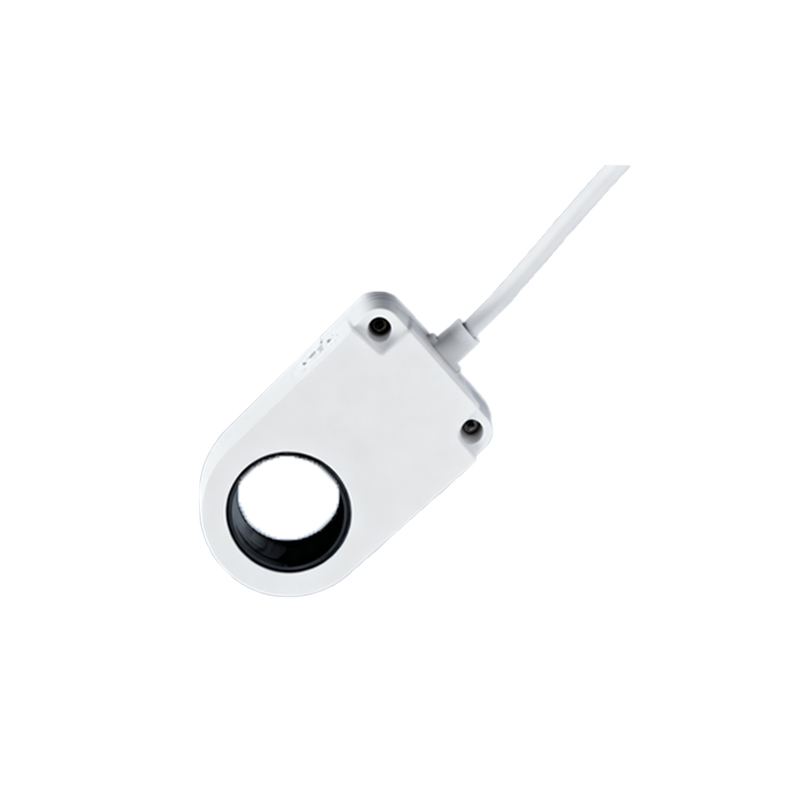
In the energy and utilities field, proximity sensors play a vital role in monitoring equipment health and preventing failures. They detect vibrations or displacements in turbines, pumps, and generators, allowing for predictive maintenance that reduces downtime. Additionally, in hazardous areas like oil refineries, explosion-proof variants ensure safe operation by detecting leaks or unauthorized access without spark risks.
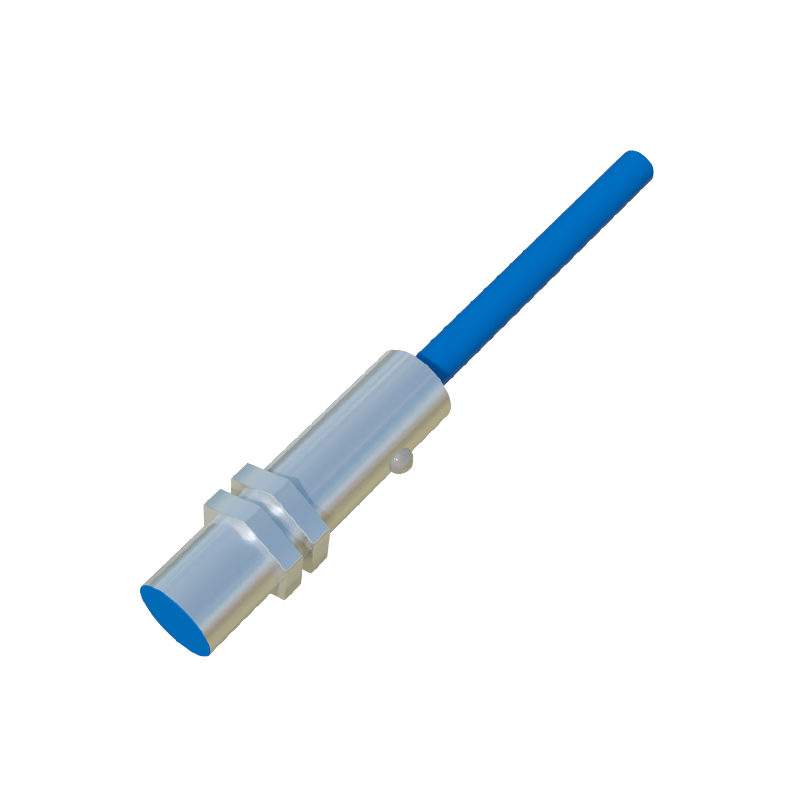
The aerospace and defense industries utilize high-precision proximity sensors for landing gear positioning, door status monitoring, and engine component alignment. Their robustness in extreme conditions—such as high altitudes or vibrations—ensures reliable performance in critical systems. Similarly, in consumer electronics, miniaturized sensors enable touchless interfaces in smartphones and home appliances, improving user experience through gesture control or automatic activation.
Emerging trends include the integration of proximity sensors with IoT (Internet of Things) platforms for real-time data analytics. Smart factories leverage this connectivity to monitor sensor health, predict maintenance needs, and optimize production schedules autonomously. Furthermore, advancements in MEMS (Micro-Electro-Mechanical Systems) technology are driving the development of smaller, more energy-efficient sensors for wearable devices and medical equipment, such as non-invasive patient monitoring tools.
Despite their advantages, challenges persist, including electromagnetic interference in inductive sensors or false triggers in dusty environments. Engineers must carefully select sensor types based on factors like detection range, material composition, and environmental conditions. Regular calibration and shielding techniques are essential to maintain accuracy.
In conclusion, proximity sensors are foundational to industrial innovation, enabling automation across manufacturing, logistics, energy, and beyond. As technology evolves, their applications will expand further, contributing to smarter, safer, and more sustainable operations worldwide. By understanding their principles and tailored uses, industries can harness their full potential to drive progress in the digital era.