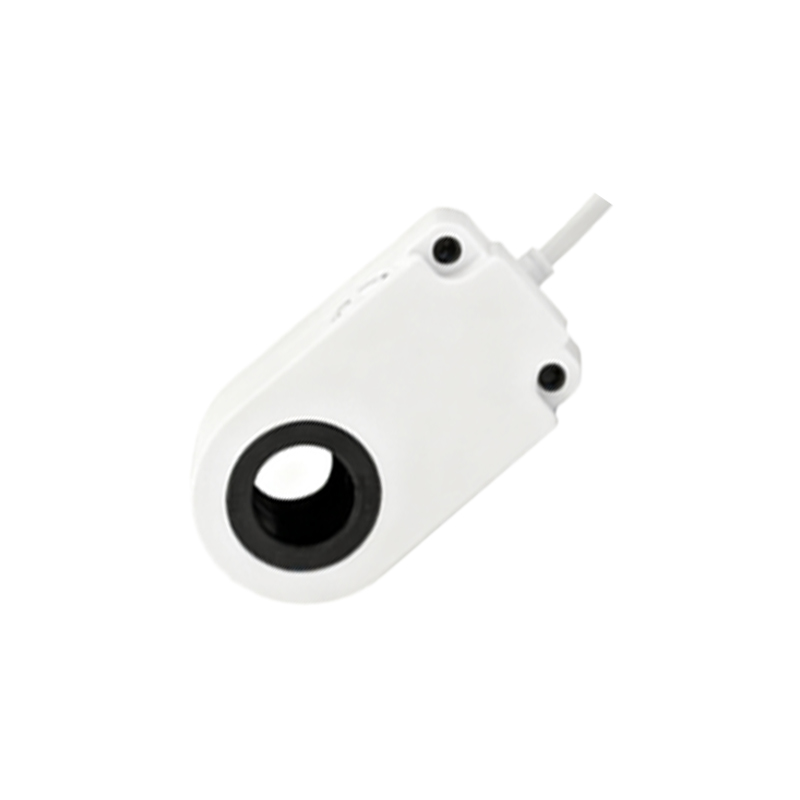
In the realm of modern electrical engineering and electronic design, the integration of precise, reliable sensors is paramount. Among these, proximity sensors stand out for their critical role in enabling touch-free interaction, object detection, and automation. The Enjoy 7s Proximity Sensor represents a significant advancement in this category, offering a blend of performance, efficiency, and adaptability that meets the rigorous demands of contemporary applications. This article delves into the technical specifications, operational principles, and practical implementation considerations of this sophisticated component.
At its core, the Enjoy 7s Proximity Sensor is an inductive-type sensor. It operates on the principle of electromagnetic induction. The sensor generates an oscillating electromagnetic field from its active face. When a metallic object enters this field, eddy currents are induced on the object's surface. These currents cause a measurable change in the oscillation amplitude within the sensor's internal LC tank circuit. This change is detected and processed by the integrated circuitry, which subsequently triggers a clean, digital output signal—typically switching from a high to a low state or vice-versa. This non-contact method of detection eliminates mechanical wear, ensuring exceptional longevity and reliability, often rated for tens of millions of operations.
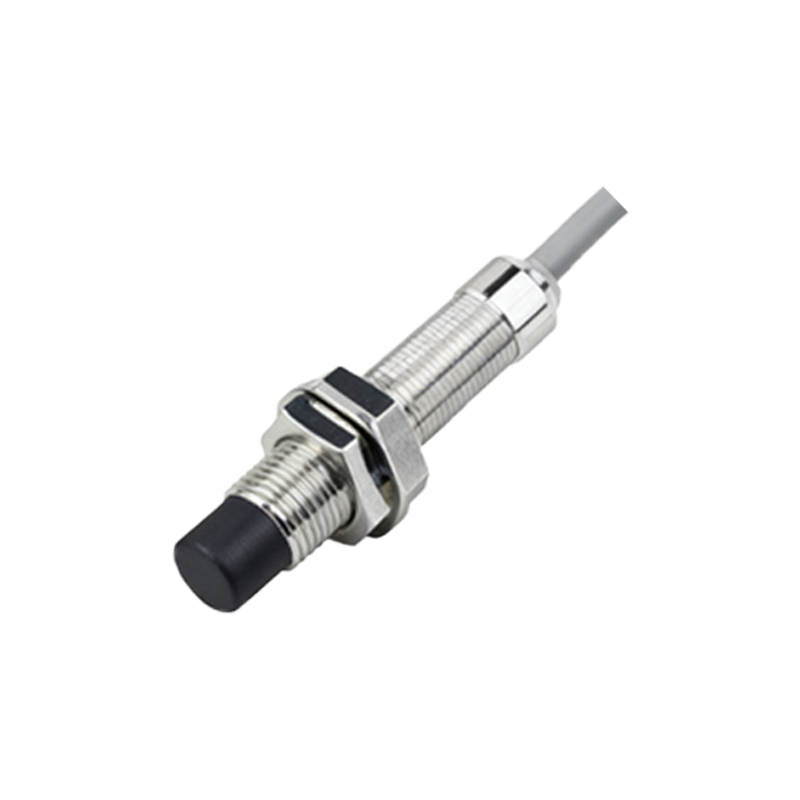
Key technical parameters define the Enjoy 7s's capabilities. Its sensing range is precisely calibrated, often in the range of a few millimeters to several centimeters, suitable for precise positioning tasks. The sensor boasts a high switching frequency, allowing it to detect rapidly moving objects on assembly lines without missing a beat. A critical specification is its hysteresis, the difference between the switch-on and switch-off points, which prevents output chattering when an object is at the exact threshold. The Enjoy 7s typically features minimal hysteresis, indicative of high precision. Furthermore, it is designed with robust environmental resilience, featuring IP67 or higher ingress protection ratings. This makes it resistant to dust, oils, and temporary immersion in water, a necessity in industrial settings like automotive manufacturing, packaging machinery, and material handling systems.
Electrical integration is straightforward. The sensor commonly operates on a standard DC supply voltage, such as 10-30V DC. It provides multiple output configurations to interface seamlessly with Programmable Logic Controllers (PLCs), microcontrollers, or other control systems. These include NPN (sinking) and PNP (sourcing) transistor outputs, as well as analog voltage or current (4-20mA) output variants for distance-proportional measurement. The inclusion of a short-circuit and reverse-polarity protection circuit is a standard safety feature, safeguarding both the sensor and the connected control system from accidental wiring errors.
For the practicing engineer, successful deployment hinges on several factors. Mounting is crucial; the sensor must be flush-mounted in a metal bracket to minimize the effects of surrounding metallic materials, which could otherwise cause false triggering. The sensor's sensing field is not a perfect point but a conical or cylindrical volume; understanding this field shape is essential for accurate positioning relative to the target. When detecting non-ferrous metals like aluminum or copper, the effective sensing range is reduced compared to steel, a factor that must be accounted for during the design phase. For applications involving extreme temperatures or strong electromagnetic interference (EMI), consulting the detailed datasheet for derating curves and shielding recommendations is imperative.
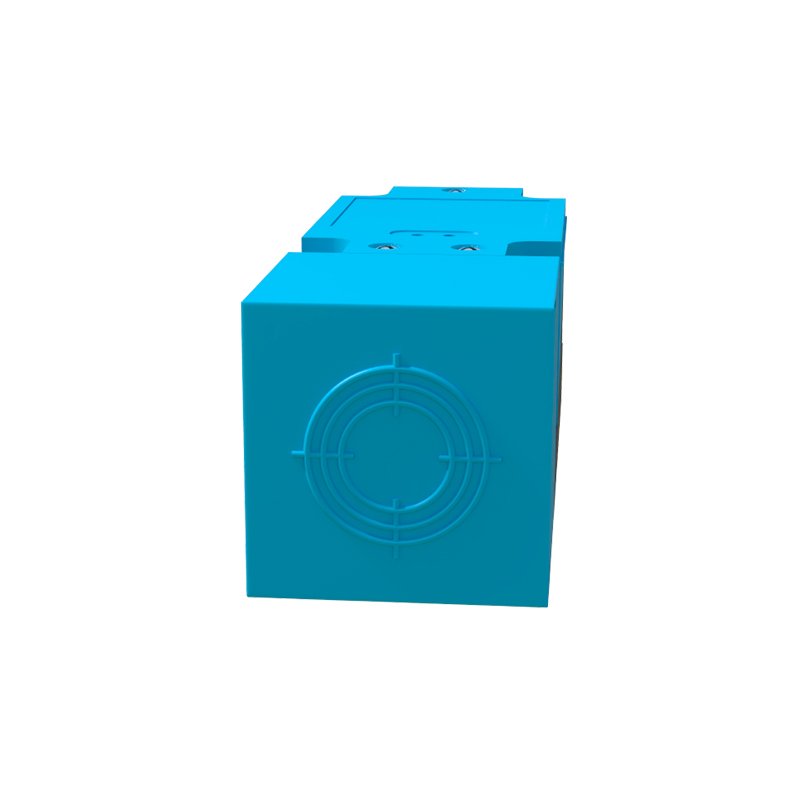
Beyond traditional industrial automation, the Enjoy 7s finds applications in innovative domains. In consumer electronics prototyping, it can be used for gesture recognition or screen blanking. In renewable energy systems, such as wind turbines, it can monitor blade position or detect the presence of maintenance personnel for safety lockouts. Its robustness also makes it ideal for harsh agricultural or construction machinery.
In conclusion, the Enjoy 7s Proximity Sensor is more than just a switch; it is a sophisticated interface between the physical and digital worlds. Its design reflects a deep understanding of real-world engineering challenges, offering reliability, precision, and flexibility. By mastering its operational principles and integration nuances, electrical engineers can leverage this component to build smarter, more efficient, and more responsive automated systems, pushing the boundaries of what is possible in machine design and industrial control.