Mirror reflection proximity sensors are essential components in modern industrial automation, offering precise detection capabilities for various applications. These sensors operate by emitting a light beam towards a reflective surface, typically a mirror, and measuring the reflected signal to determine the presence or absence of an object. Their reliability and accuracy make them indispensable in manufacturing lines, packaging systems, and robotic assemblies.
When considering the pricing of mirror reflection proximity sensors, several factors come into play. The cost varies significantly based on specifications such as sensing range, response time, and environmental durability. Entry-level models with basic features, such as a sensing range of up to 1 meter and standard IP67 protection, typically start at around $50 to $100 per unit. These are suitable for general-purpose applications where extreme precision or harsh conditions are not a concern.
Mid-range sensors, offering enhanced performance with sensing distances up to 3 meters, faster response times under 1 millisecond, and higher ingress protection ratings like IP69K, are priced between $150 and $300. These models often include additional features like adjustable sensitivity, temperature compensation, and robust housing materials, making them ideal for demanding environments such as food processing or automotive manufacturing.
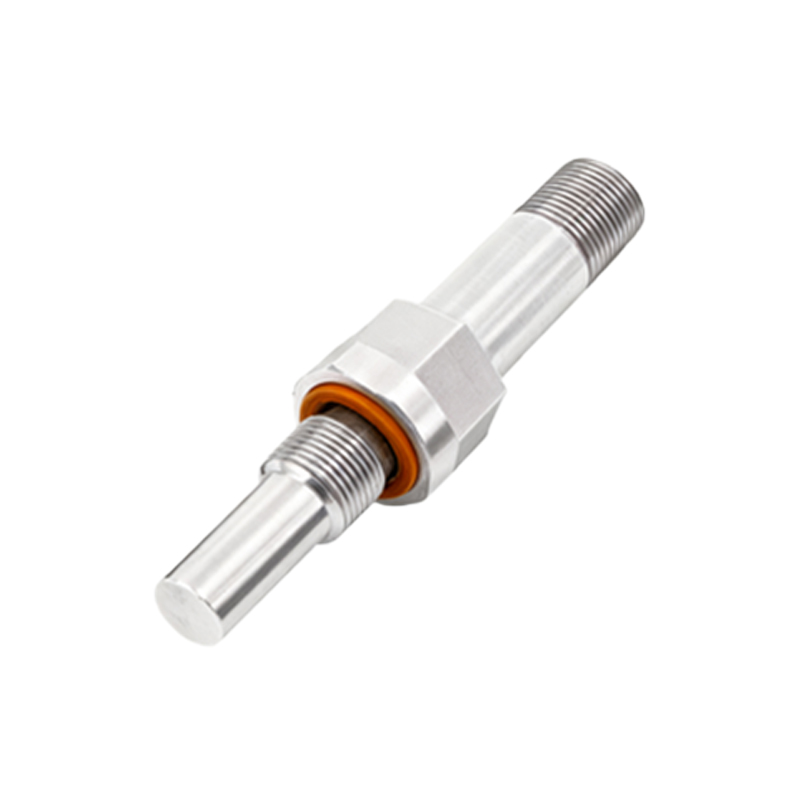
High-end mirror reflection proximity sensors, designed for specialized industrial tasks, can cost from $400 to over $800. These units provide extended sensing ranges beyond 5 meters, ultra-fast response, and advanced functionalities like self-diagnostics, digital communication interfaces (e.g., IO-Link), and custom calibration options. They are commonly used in critical applications where failure is not an option, such as in aerospace or precision engineering sectors.
Beyond the initial purchase price, it's crucial to account for total cost of ownership. This includes installation expenses, maintenance requirements, and potential downtime costs. Sensors with longer lifespans and lower failure rates may justify a higher upfront investment. Additionally, bulk purchasing from reputable manufacturers often leads to discounts, with prices potentially dropping by 10-20% for orders exceeding 100 units.
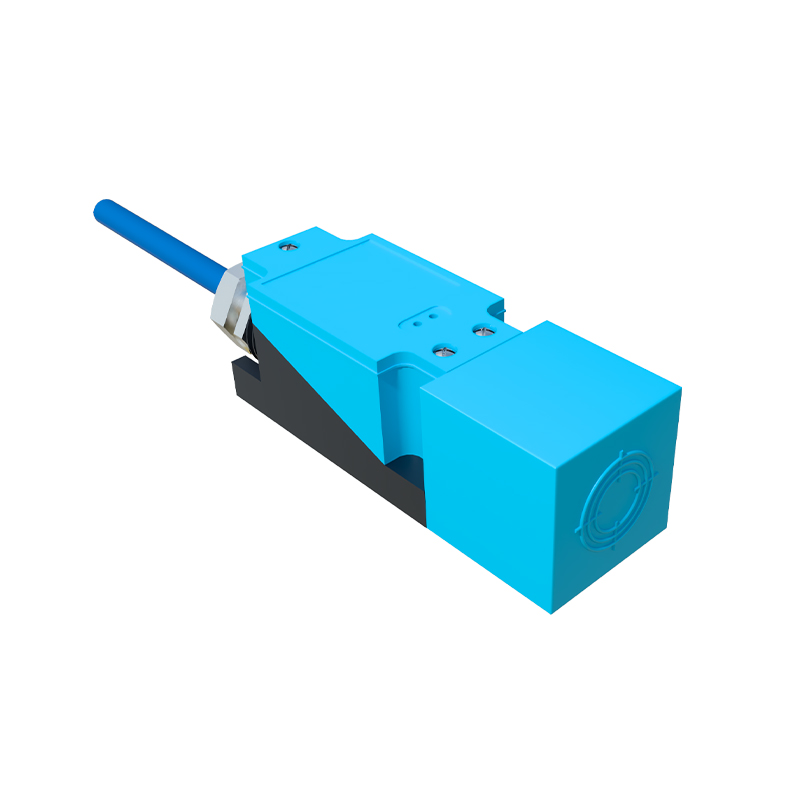
Market trends also influence pricing. The growing adoption of Industry 4.0 and smart factory initiatives has increased demand for sensors with connectivity features, pushing prices for advanced models upward. However, competition among global suppliers, particularly from regions like Europe, North America, and Asia, helps keep costs competitive. Buyers should compare offerings from leading brands such as Siemens, Omron, and Pepperl+Fuchs to find the best value.
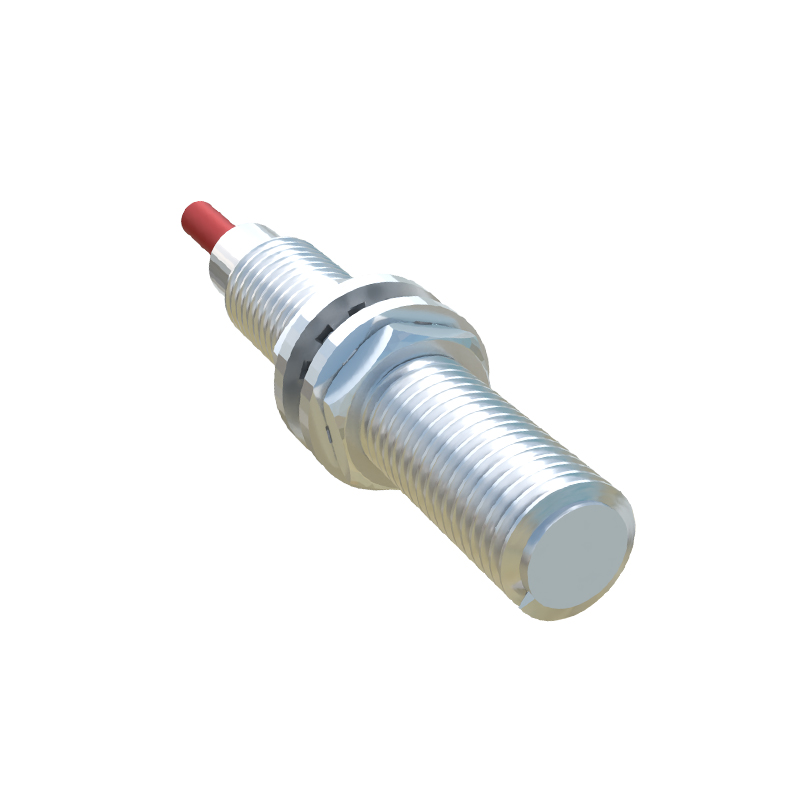
In summary, investing in mirror reflection proximity sensors requires a balance between performance needs and budget constraints. By evaluating factors like technical specifications, application requirements, and long-term reliability, engineers can make informed decisions that optimize both efficiency and cost-effectiveness in industrial operations.