In the realm of industrial automation and machine safety, proximity sensors are ubiquitous components, silently and reliably detecting the presence or absence of objects without physical contact. As an electrical engineer, understanding their full operational lifecycle—including proper deactivation—is as critical as knowing how to integrate them. The process of "turning off" a proximity sensor is not merely about cutting power; it involves a systematic approach to ensure safety, prevent damage, and maintain system integrity. This guide details the professional methodologies.
Firstly, it is paramount to distinguish between temporarily disabling a sensor for maintenance and permanently removing it from a circuit. The approach differs significantly.
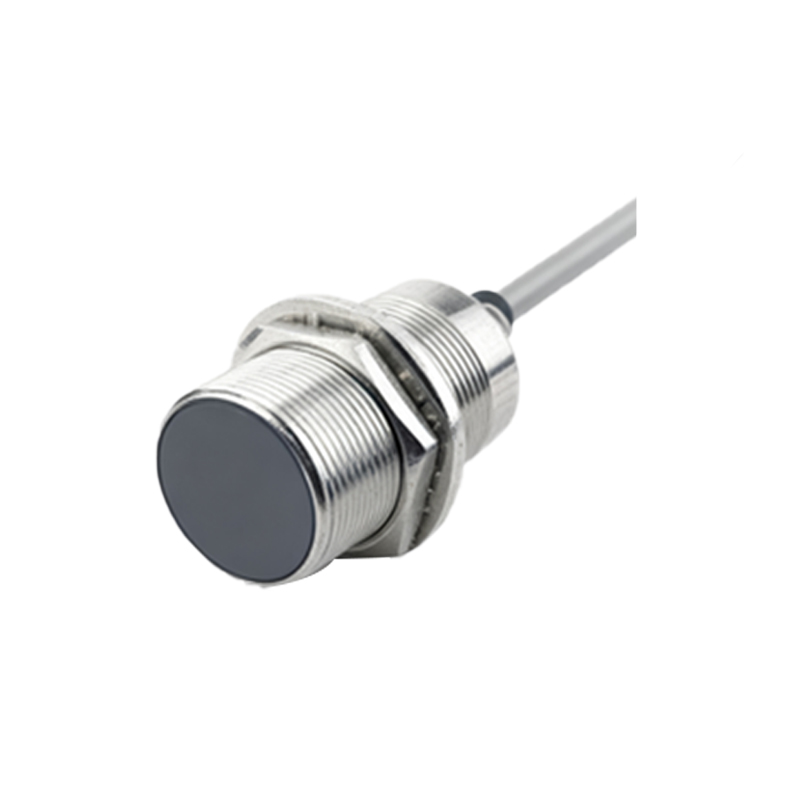
For Temporary Deactivation (Maintenance & Testing):
The safest and most recommended method is to de-energize the entire control circuit. Follow Lockout/Tagout (LOTO) procedures rigorously. Isolate the power source feeding the sensor's power supply (typically 10-30V DC or 90-250V AC). Verify the absence of voltage using a multimeter at the sensor's terminals. This ensures absolute safety for personnel.
If system design requires the sensor to be logically disabled while the circuit remains powered, consider these engineered solutions:
1. Control Logic Override: In PLC or microcontroller-based systems, the sensor's input can be overridden in the software logic. A maintenance mode can be activated, forcing the sensor's read signal to a known state (e.g., FALSE or 0) regardless of its physical detection. This requires careful programming to avoid unintended machine sequences.
2. Interposing Relay: For hard-wired systems, install a normally-closed maintenance switch in series with the sensor's output signal wire. When the switch is opened, it breaks the signal path, effectively "turning off" the sensor's output to the downstream controller or relay, even if the sensor itself is powered and detecting.
3. Shielding the Sensing Face: For inductive or capacitive sensors, physically covering the active face with the specified manufacturer's shield (often a metal cap for inductive sensors) or a grounded metal plate can prevent detection. This is a practical, non-electrical method for troubleshooting but is not a substitute for proper power isolation during hands-on work.
For Permanent Deactivation or Removal:
When a proximity sensor is to be taken out of service permanently, a full electrical and physical removal procedure is necessary.
1. Execute LOTO Procedures: De-energize and lock out all relevant power sources.
2. Disconnect Wiring: Carefully disconnect the sensor's wires from the terminal block or connector. For a clean removal, wires should be properly terminated or removed from the duct. It is crucial to update the electrical schematics and wire numbering to reflect the change.
3. Cap or Insulate Live Ends: If the wire ends leading from the power supply remain in the panel, they must be securely capped with wire nuts or insulated with terminal blocks to prevent short circuits.
4. Update System Documentation: Modify the PLC logic, electrical diagrams, and maintenance manuals to remove references to the deactivated sensor. Failure to do so can cause confusion during future troubleshooting.
Critical Considerations and Common Pitfalls:
Sinking vs. Sourcing (DC Sensors): Be aware of the sensor's output configuration. Incorrectly interrupting a circuit can damage the sensor or the controller. Always refer to the datasheet.
Short-Circuit Protection: Never short the output wires of a sensor to "turn it off." This can permanently damage the solid-state output stage.
Residual Load Current: Some solid-state outputs have a minimum load current requirement. Disconnecting the load entirely might cause unreliable operation upon reconnection. Consult technical specifications.
Capacitive Sensor Sensitivity: Capacitive sensors can be influenced by environmental changes. "Turning off" might require adjusting the sensitivity potentiometer to a minimum, not just interrupting the output.
Safety-Critical Applications: For sensors used in safety interlocks (e.g., light curtains, door guards), deactivation is strictly governed by safety standards (e.g., ISO 13849, IEC 62061). Special safety relays or controllers with monitored outputs are used. Bypassing these sensors is illegal and extremely dangerous without a validated safety procedure.
In conclusion, professionally "turning off" a proximity sensor is an exercise in systematic control and safety protocol. The chosen method depends entirely on the context: temporary maintenance requires safe isolation or logical override, while permanent removal demands a complete electrical and documentation overhaul. The cardinal rule remains: when in doubt, de-energize, lock out, and verify. This disciplined approach ensures not only the protection of expensive equipment but, more importantly, the safety of engineering personnel on the shop floor. Always prioritize manufacturer guidelines and applicable