Proximity sensors are indispensable components in modern industrial automation, robotics, and safety systems. They detect the presence or absence of an object without physical contact, offering reliability and longevity. This article provides a comprehensive overview of major proximity sensor types, accompanied by illustrative pictures and their standard names, to aid in selection and application.
1. Inductive Proximity Sensors
Picture Description: A cylindrical metal-housed sensor, often in stainless steel, with a sensing face. Wiring connections are visible at the rear.
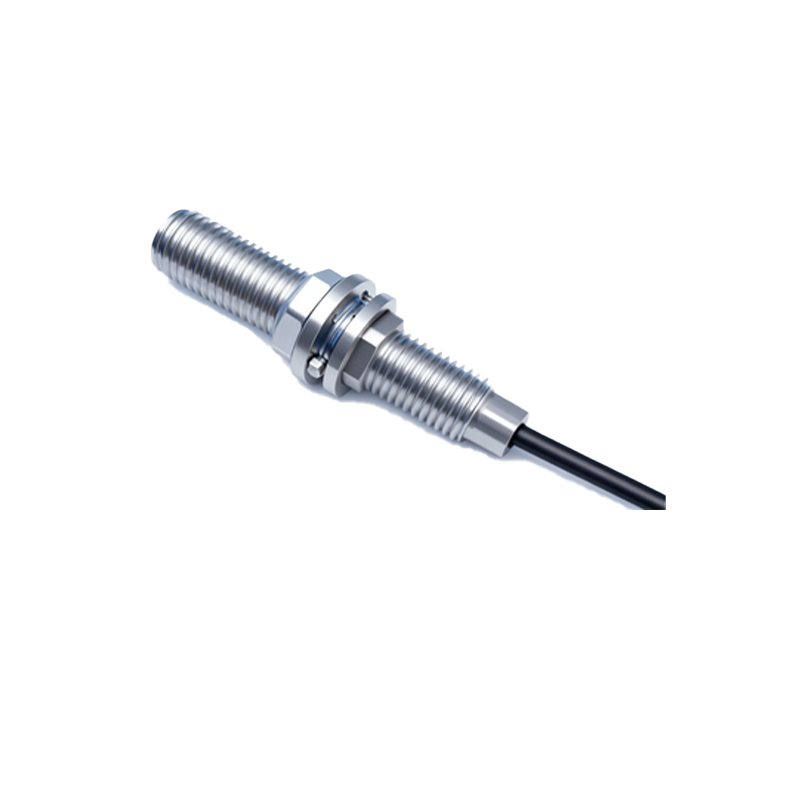
These sensors generate an electromagnetic field. They detect only metallic objects, typically ferrous metals like steel and iron. Common in machine automation for position sensing or counting metal parts. Key variants include shielded (flush-mountable) and unshielded types, with sensing ranges from a few millimeters to about 60 mm.
2. Capacitive Proximity Sensors
Picture Description: A rectangular or cylindrical sensor, similar in form to inductive types but often with a larger sensing face or a plastic housing.
Capacitive sensors detect both metallic and non-metallic materials—liquids, plastics, wood, or granules—by measuring changes in capacitance. Ideal for level detection in tanks, material handling, and presence detection of non-metals. They can sense through certain non-metallic containers.
3. Ultrasonic Proximity Sensors
Picture Description: A sensor with a transducer face, usually in a rectangular housing. Some models have separate transmitter and receiver elements.
Operating on sound wave principles, these emit ultrasonic pulses and measure the echo return time. They detect solid and liquid objects over longer distances (up to several meters) and are unaffected by color, transparency, or material. Widely used in distance measurement, object profiling, and liquid level control.
4. Photoelectric Sensors
Picture Description: Various form factors: a compact sensor with a lens (through-beam type), or a single housing with emitter and receiver windows (retro-reflective or diffuse types).
Using a light beam (usually infrared, visible red, or laser), photoelectric sensors offer the longest sensing ranges. Types include:
- Through-beam: Highest reliability, with separate emitter and receiver.
- Retro-reflective: Uses a reflector; object breaks the beam.
- Diffuse (proximity mode): Sensor detects light reflected from the object itself.
Applications span packaging, material handling, and automated assembly lines.
5. Magnetic Proximity Sensors (Reed Switches/Hall Effect)
Picture Description: A small, often rectangular or cylindrical sensor. For reed switches, a glass tube with ferromagnetic reeds may be depicted. Hall Effect sensors are solid-state chips in a package.
These detect permanent magnets. Reed switches are mechanical contacts sealed in glass. Hall Effect sensors are electronic, offering faster switching and unlimited life cycles. Common in door/window position sensing, cylinder position feedback, and low-speed rotation detection.
6. Eddy-Current Proximity Sensors
Picture Description: A high-precision sensor with a small probe connected to an oscillator/detector unit via a coaxial cable.
A specialized type of inductive sensor, they measure displacement and position of conductive metals with extreme accuracy (micrometer range). Used in vibration monitoring, metal thickness measurement, and precision machining.
Selection Considerations:
When choosing a sensor, consider the target material, required sensing distance, environmental conditions (dust, moisture, temperature), output type (PNP/NPN, analog, IO-Link), and installation constraints. Inductive sensors excel with metals in harsh environments. Capacitive sensors handle diverse materials. Ultrasonic and photoelectric sensors suit non-contact distance measurement. Magnetic sensors are perfect for simple position detection with magnets.
In summary, understanding the distinct characteristics, visual appearance, and nomenclature of each proximity sensor type is crucial for effective system integration. Always refer to manufacturer datasheets for specific specifications, mounting details, and electrical characteristics to ensure optimal performance in your application.