In the intricate landscape of industrial automation and process control, the precise monitoring of thermal conditions is paramount. Among the suite of tools available to engineers, the proximity temperature sensor stands out as a critical, non-contact solution for a myriad of demanding applications. Unlike traditional contact thermometers, these sensors operate on the principle of detecting infrared radiation emitted by an object, allowing for temperature measurement without physical interaction. This fundamental characteristic unlocks capabilities essential for modern manufacturing, quality assurance, and safety systems.
The core technology behind most industrial proximity temperature sensors is infrared thermometry. Every object with a temperature above absolute zero emits infrared energy. The sensor's optical system collects this radiation and focuses it onto a detector, which converts the radiant power into an electrical signal. This signal is then processed and compensated for ambient conditions to display a temperature reading. Key specifications such as spectral response, field of view, and emissivity settings are crucial for accuracy. Emissivity, a measure of an object's effectiveness in emitting thermal radiation, is particularly vital; incorrect settings can lead to significant measurement errors, especially on reflective surfaces like polished metals.
The advantages of deploying proximity temperature sensors are substantial and drive their widespread adoption. First and foremost is the ability to measure moving objects or materials. In conveyor-based systems, such as in food processing or glass manufacturing, sensors can continuously monitor product temperature without impeding the flow. Secondly, they are indispensable for measuring objects in hazardous environments, extreme conditions, or within vacuum chambers where contact is impossible or unsafe. For instance, monitoring the temperature of high-voltage components or molten metal in a foundry relies heavily on these non-contact devices. Thirdly, they offer rapid response times, capturing temperature fluctuations in milliseconds, which is critical for processes like plastic film extrusion or semiconductor wafer processing where thermal stability is key to product quality.
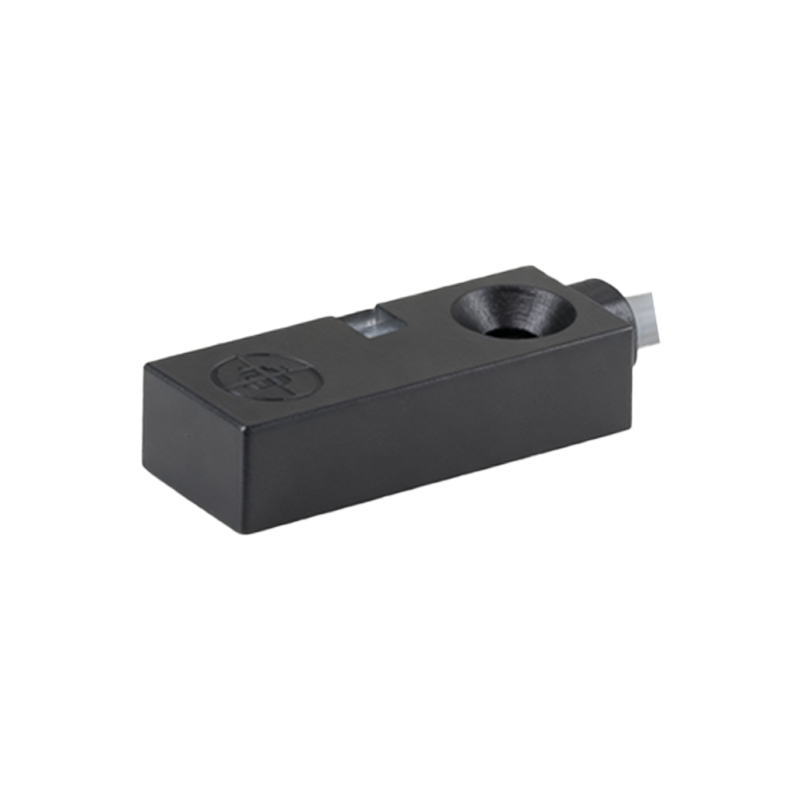
Industrial applications are diverse and impactful. In the automotive sector, these sensors are used to monitor brake disc temperatures during testing, check tire curing processes, and ensure proper engine component temperatures. Within the plastics industry, they are vital for controlling mold temperatures and monitoring extruder outputs. In electronics manufacturing, they help prevent thermal damage during soldering and circuit board testing. Predictive maintenance programs also leverage these sensors to detect abnormal heat buildup in motors, bearings, and electrical panels, allowing for intervention before catastrophic failure occurs. This not only prevents downtime but also enhances workplace safety.
Selecting the appropriate proximity temperature sensor requires careful consideration of several factors. The temperature range of the target must align with the sensor's capabilities. The required measurement spot size dictates the optical resolution and the distance-to-spot ratio. Environmental conditions like dust, steam, or ambient light interference may necessitate sensors with protective housings, air purging, or specific spectral filters. Furthermore, the output signal type—whether analog (4-20mA, 0-10V) or digital (USB, RS-485)—must integrate seamlessly with the existing control system, such as a PLC or SCADA network.
Installation and calibration are final, critical steps. Proper mounting ensures a clear, unobstructed view of the target area. Regular calibration against a known reference source is essential to maintain long-term accuracy and traceability to international standards. Despite their robustness, challenges such as viewing through windows (which can attenuate IR signals) or measuring low-emissivity materials require specialized sensor models or corrective techniques.
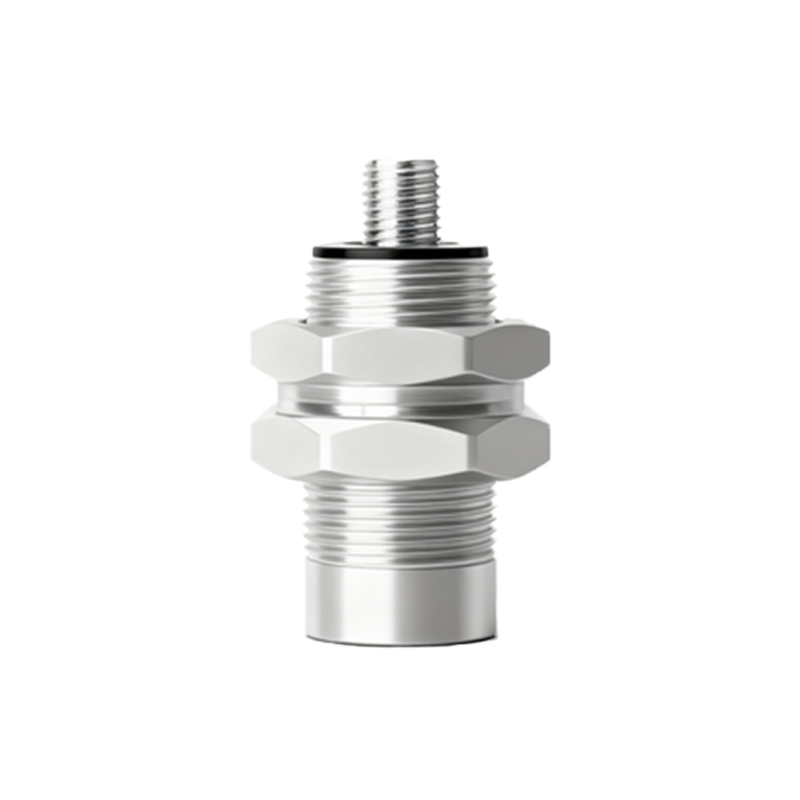
In conclusion, proximity temperature sensors are more than mere measuring instruments; they are enablers of efficiency, quality, and safety in the industrial realm. By providing accurate, real-time thermal data without contact, they form the sensory backbone of sophisticated control systems, driving optimization and innovation. As industries continue to advance towards greater automation and data-driven operation, the role of these intelligent sensors will only become more central, evolving with advancements in IR detector technology, wireless connectivity, and integrated data analytics for smarter thermal management.