Hall effect proximity sensors are integral components in modern industrial automation, motion control, and safety systems. Their ability to detect the presence, absence, or position of a ferromagnetic or permanent magnet target without physical contact makes them indispensable. However, their reliable and safe operation hinges on adherence to established international standards. This article provides a detailed overview of the key standards governing the design, performance, testing, and application of Hall effect proximity sensors, written from the perspective of an electrical engineering professional.
The foundation for sensor performance and safety often begins with the International Electrotechnical Commission (IEC) standards. IEC 60947-5-2 is arguably the most critical standard for low-voltage switchgear and controlgear, specifically covering proximity switches. It defines essential parameters such as the operating distance (Sn), which is the nominal sensing range under specified conditions. More importantly, it classifies sensors based on their output characteristics (e.g., analog, binary, short-circuit protected) and defines key performance markers like the switching frequency, hysteresis, and repeat accuracy. Compliance with IEC 60947-5-2 ensures that a sensor's electrical and functional characteristics are clearly defined and reproducible, allowing for reliable system integration.
For safety-related applications, such as in machinery guarding or emergency stop circuits, IEC 61508 (Functional Safety of Electrical/Electronic/Programmable Electronic Safety-Related Systems) and its sector-specific derivative ISO 13849-1 (Safety of machinery - Safety-related parts of control systems) are paramount. These standards do not prescribe a specific sensor design but provide a framework for achieving required Safety Integrity Levels (SIL) or Performance Levels (PL). A Hall effect sensor used in a safety loop must be developed, validated, and documented according to the rigorous processes outlined in these standards. This includes systematic analysis of failure modes, diagnostic coverage, and proof of Mean Time To Dangerous Failure (MTTFd). Sensors certified for use in safety functions will explicitly state their SIL or PL rating.
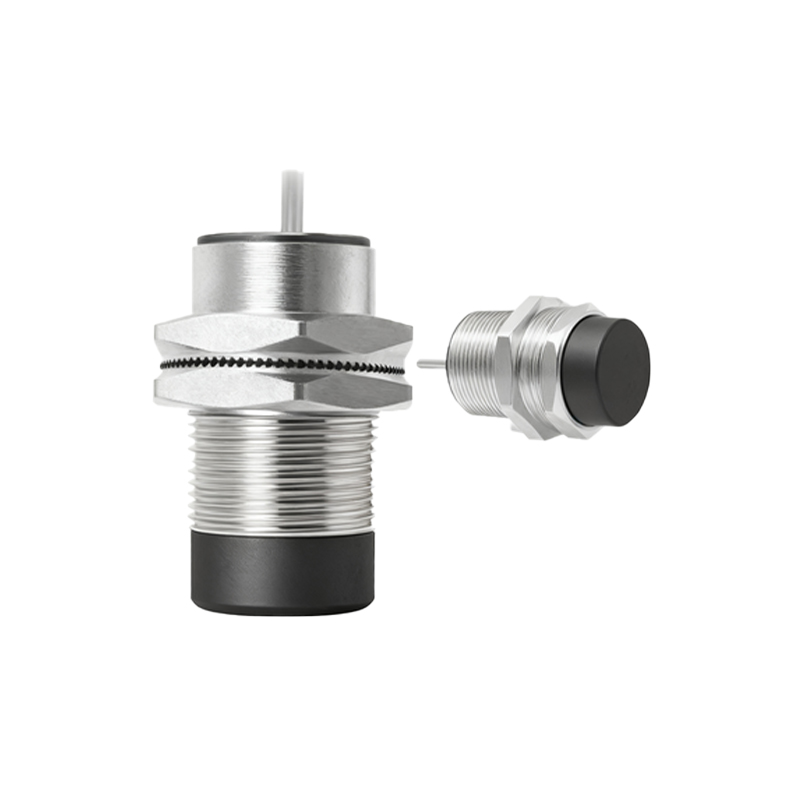
Environmental durability is another critical aspect covered by standards. The Ingress Protection (IP) rating, defined by IEC 60529, specifies the level of sealing against dust and water. A rating of IP67, for example, indicates the sensor is dust-tight and can withstand temporary immersion in water. For applications involving harsh chemicals or extreme temperatures, material compatibility and operational limits must be verified against standards like IEC 60068-2 (Environmental testing), which outlines test procedures for shock, vibration, humidity, and corrosion resistance.
Electromagnetic Compatibility (EMC) is crucial in today's electrically noisy industrial environments. IEC 61000-6-2 (Immunity for industrial environments) and IEC 61000-6-4 (Emission standards for industrial environments) set the benchmarks. A compliant Hall sensor must demonstrate immunity to electrostatic discharge (ESD), radiated radio-frequency fields, fast transient bursts, and surges, ensuring it operates correctly without malfunctioning or producing excessive electromagnetic interference that could disrupt other equipment.
In specific regions or industries, local standards may also apply. In North America, UL 508 (Industrial Control Equipment) is a widely recognized safety standard. For automotive applications, where Hall sensors are used extensively for wheel speed, crankshaft position, and gearbox sensing, the AEC-Q100 qualification standard for integrated circuits is often a prerequisite, ensuring reliability under the stringent thermal and mechanical stresses of the automotive environment.
Beyond product standards, installation and wiring practices are guided by standards like the National Electrical Code (NEC) NFPA 70 in the United States or the IEC 60364 series internationally. These codes dictate proper cable selection, conduit use, grounding, and overcurrent protection for sensor circuits, which are essential for preventing electrical hazards and ensuring long-term reliability.
When selecting a Hall effect proximity sensor, engineers must scrutinize the manufacturer's datasheet for declarations of conformity to these standards. Key items to verify include the operating voltage range, output type (PNP/NPN, NO/NC), sensing distance, temperature rating, IP code, EMC immunity levels, and any applicable safety certifications. Understanding these standards empowers engineers to make informed decisions, design robust systems, troubleshoot effectively, and ensure compliance with regulatory requirements, ultimately leading to safer, more reliable, and more efficient automation solutions.