In the rapidly evolving landscape of industrial automation, robotics, and smart devices, micro and miniature proximity sensors have become indispensable components. These compact devices detect the presence or absence of an object without physical contact, offering high reliability, precision, and longevity. Their small form factor allows integration into space-constrained applications where traditional sensors cannot fit. This article explores the primary types of micro and miniature proximity sensors, their operating principles, common applications, and key considerations for selection.
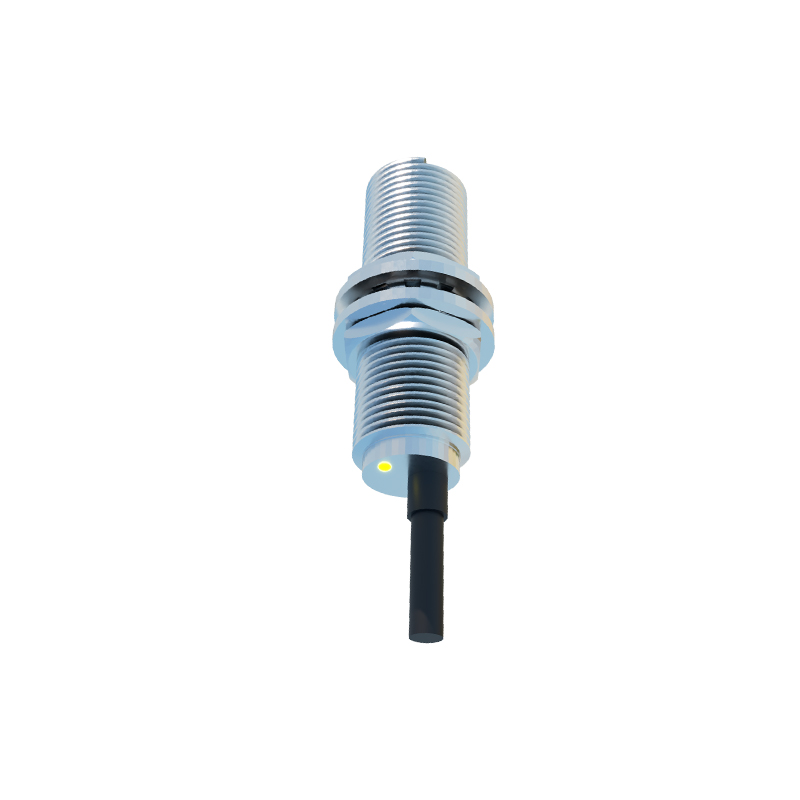
The most prevalent type is the inductive proximity sensor. These sensors generate an electromagnetic field and detect changes caused by metallic objects entering this field. Miniature inductive sensors are ideal for detecting metals like steel, aluminum, or copper in harsh industrial environments. They are immune to dust, oil, and moisture, making them suitable for manufacturing lines, CNC machines, and automotive assembly. Typical sensing ranges for micro inductive sensors vary from 1 to 5 mm, with some ultra-miniature models offering sub-millimeter detection.
Capacitive proximity sensors represent another crucial category. They function by detecting changes in capacitance when any material—metallic or non-metallic—enters their electrostatic field. This versatility allows them to sense liquids, plastics, glass, wood, and granular substances. Miniature capacitive sensors are widely used in packaging, food processing, and pharmaceutical industries to monitor material levels, detect fill levels in containers, or sense transparent films. Their compact size enables mounting in tight spaces on conveyor systems or within dispensing equipment.
Magnetic proximity sensors, often based on reed switches or Hall-effect technology, respond to magnetic fields. These are among the smallest sensors available, sometimes as tiny as a grain of rice. They detect the presence of permanent magnets and are commonly employed in position sensing for cylinders, door/window security systems, and low-power consumer electronics. Hall-effect miniature sensors provide digital output and are integral in brushless DC motors and speed detection applications due to their solid-state reliability.
Optical proximity sensors, including through-beam, retro-reflective, and diffuse reflective types, use light beams to detect objects. Miniaturized versions, often employing infrared LEDs and phototransistors, are found in consumer electronics for screen blanking, in medical devices for fluid detection, and in automated machinery for precise object counting or edge detection. Their key advantage is the ability to sense a wide variety of materials regardless of color or reflectivity, though they can be affected by ambient light or dirty environments.
Ultrasonic proximity sensors measure distance by emitting high-frequency sound waves and calculating the time for the echo to return. While traditionally larger, micro ultrasonic sensors are now emerging for applications requiring precise non-contact distance measurement in small scales, such as drone altitude control, robotic navigation, and liquid level sensing in compact tanks.
Selecting the appropriate micro or miniature proximity sensor requires careful analysis of several factors. First, consider the target material: inductive for metals, capacitive for diverse materials, and optical for most surfaces. The required sensing distance is critical; miniature sensors generally have shorter ranges. Environmental conditions like temperature extremes, washdown requirements, or exposure to chemicals dictate the sensor's housing material and ingress protection (IP) rating. Electrical output type (PNP/NPN, analog, IO-Link) must match the control system. Finally, physical constraints—such as thread size, barrel diameter, and mounting style—are paramount in miniaturized designs.
Installation and wiring of these tiny sensors demand attention. Proper shielding, avoidance of sensor-to-sensor interference, and secure mounting are essential for consistent performance. Many modern miniature sensors feature built-in diagnostics and IO-Link communication for smart factory integration, providing real-time data on sensor health and process parameters.
In conclusion, micro and miniature proximity sensors are vital enablers of modern automation and miniaturization. From inductive and capacitive to magnetic and optical types, each offers unique advantages tailored to specific challenges. As technology advances, these sensors continue to shrink in size while growing in intelligence and capability, driving innovation across industries from precision manufacturing to wearable technology. Engineers must balance technical specifications, environmental factors, and economic considerations to harness their full potential in creating efficient, reliable, and compact automated systems.