Ultrasonic proximity sensors have become indispensable components in modern industrial automation, offering reliable non-contact detection across diverse environments. These sensors operate by emitting high-frequency sound waves (typically between 20 kHz and 400 kHz) and measuring the time taken for the echo to return. This principle, known as time-of-flight measurement, enables precise distance calculation and object presence detection, even for materials that are transparent, dark, or have irregular surfaces where optical sensors may fail.
A primary application is in material handling and packaging lines. Sensors are deployed to monitor the fill level of bins, silos, or hoppers containing powders, granules, or liquids. Their ability to ignore dust, steam, or color variations makes them superior to capacitive or photoelectric alternatives in such harsh conditions. For instance, in a bottling plant, ultrasonic sensors ensure consistent liquid levels before capping, preventing overflow or underfill. They also guide robotic arms in palletizing, providing exact positioning data for stacking boxes of varying sizes without physical contact, thereby reducing mechanical wear.
In the automotive manufacturing sector, ultrasonic sensors play a critical role in assembly verification. They are used to confirm the presence of components like windshield panels, door seals, or engine parts on conveyor belts before robotic installation. Their robustness against oil mist and vibrations—common in automotive plants—ensures continuous operation without false triggers. Additionally, in automated guided vehicles (AGVs) and mobile robots, these sensors facilitate obstacle detection and navigation in warehouses, maintaining safe distances from walls, shelves, and personnel.
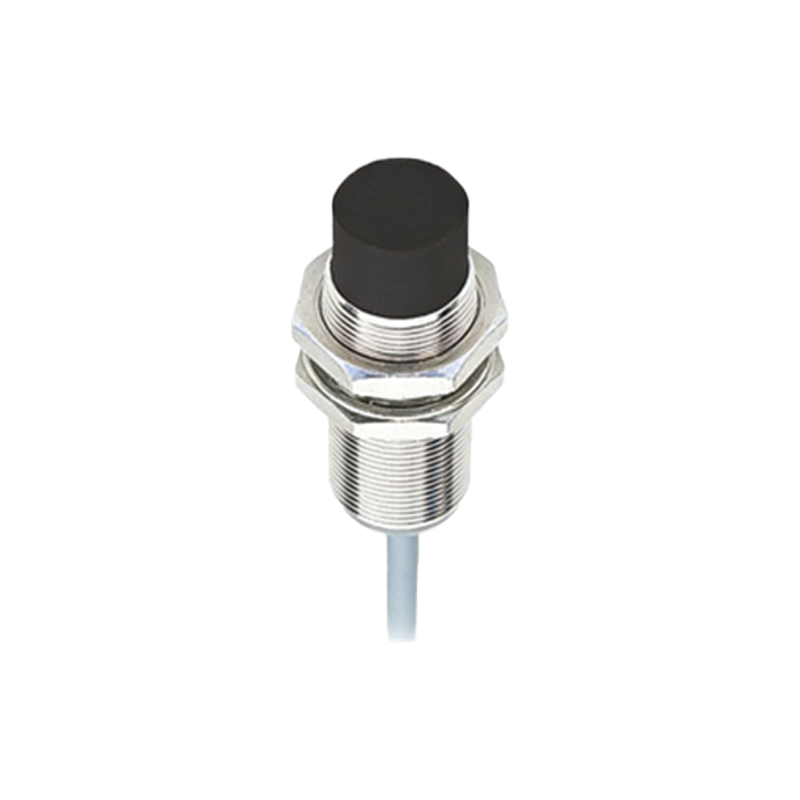
Another significant use is in the wood and metal processing industries. Ultrasonic sensors monitor the diameter of logs or the thickness of metal sheets during cutting or rolling processes. By providing real-time feedback, they enable automatic adjustments to machinery, enhancing product consistency and reducing material waste. In cleanrooms for electronics manufacturing, where minimal contamination is crucial, the non-contact nature of ultrasonic sensing prevents particle generation, ensuring delicate circuits remain uncontaminated during handling.
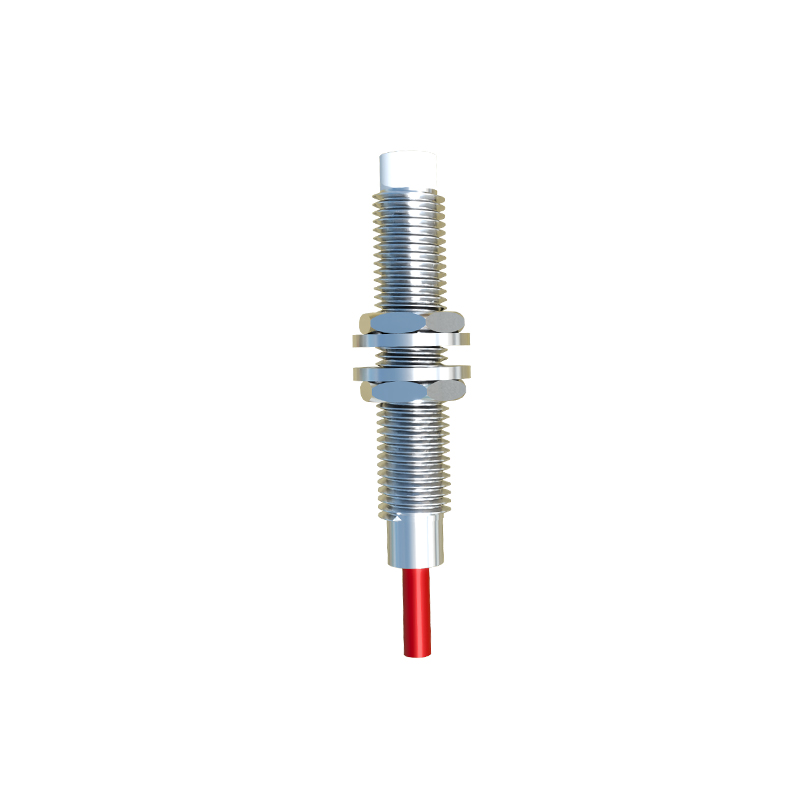
The food and beverage industry benefits from ultrasonic sensors in hygiene-sensitive applications. They detect the presence of containers on filling lines, even through plastic wrappings or frosted glass, and monitor levels in tanks containing ingredients like syrup or dairy. Since these sensors do not require physical contact with the product, they meet strict sanitary standards and are easy to clean without downtime.
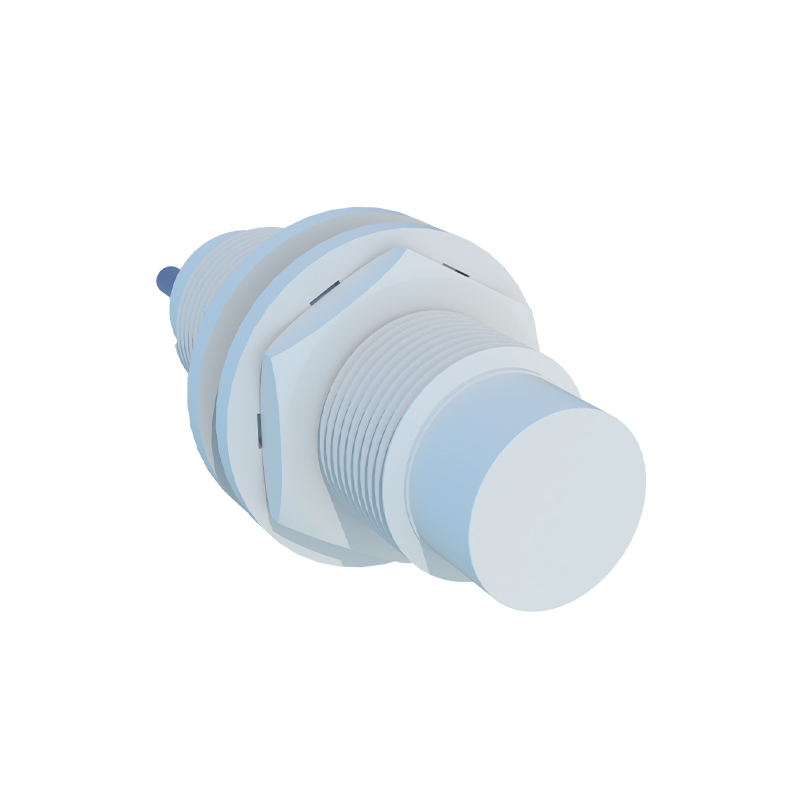
Moreover, ultrasonic proximity sensors contribute to predictive maintenance systems. By continuously monitoring the distance to critical machine parts, such as motor shafts or conveyor rollers, they can detect misalignments or abnormal vibrations early, signaling the need for maintenance before failures occur. This proactive approach minimizes unplanned downtime and extends equipment lifespan.
Despite their versatility, successful implementation requires careful consideration of factors like sensor mounting, temperature fluctuations, and acoustic interference. Modern ultrasonic sensors often feature advanced algorithms to compensate for these challenges, offering analog outputs, IO-Link connectivity, and programmable switching points for integration with PLCs and industrial networks. As Industry 4.0 evolves, the fusion of ultrasonic sensing with IoT platforms is paving the way for smarter, more adaptive factories, where real-time data from these sensors optimizes entire production workflows.
In summary, ultrasonic proximity sensors provide a robust solution for distance measurement and object detection in demanding industrial settings. Their immunity to environmental factors, compatibility with diverse materials, and non-contact operation make them a preferred choice for enhancing efficiency, safety, and quality across automation applications.