In the rapidly evolving landscape of industrial automation and smart systems, proximity sensors have become indispensable components. Among these, multifunctional proximity sensors represent a significant technological leap, offering versatility and intelligence that standard sensors cannot match. This article delves into the core principles, functionalities, and applications of these advanced devices, tailored for electrical engineering professionals.
At its essence, a multifunctional proximity sensor is a non-contact device designed to detect the presence, absence, or position of an object within its sensing field. What distinguishes it from a standard proximity sensor is its integration of multiple sensing technologies, advanced signal processing, and configurable outputs into a single, compact unit. Unlike a simple inductive or capacitive sensor that provides a basic on/off signal, a multifunctional unit can perform several tasks simultaneously or be reconfigured for different applications without hardware changes.
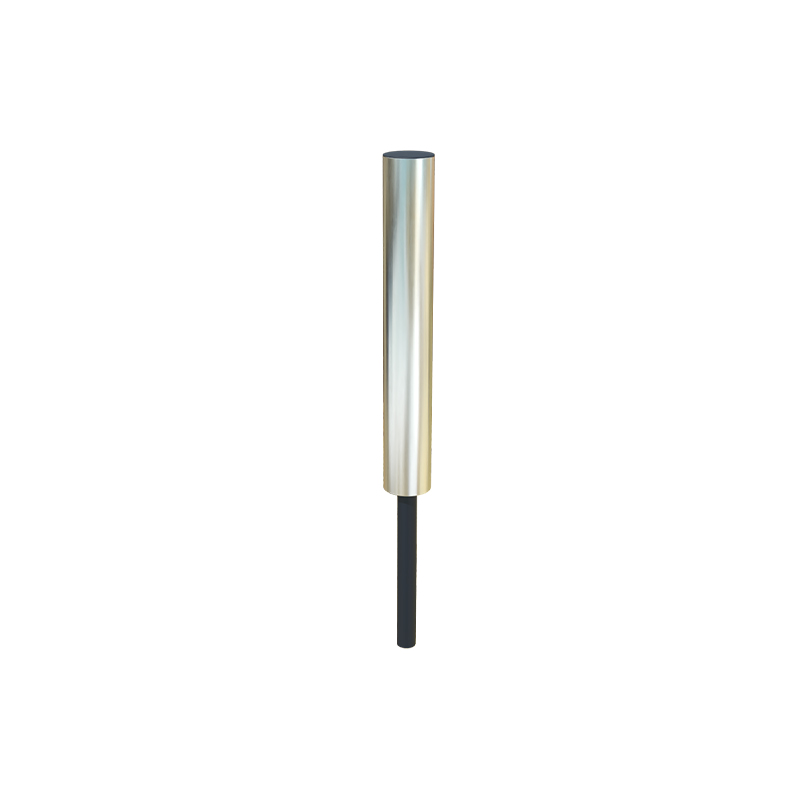
The operational principle hinges on the specific technology employed. Common types include:
Inductive Sensors: Detect metallic objects by generating an electromagnetic field. A multifunctional inductive sensor might offer adjustable sensing distances, temperature compensation, and the ability to differentiate between ferrous and non-ferrous metals.
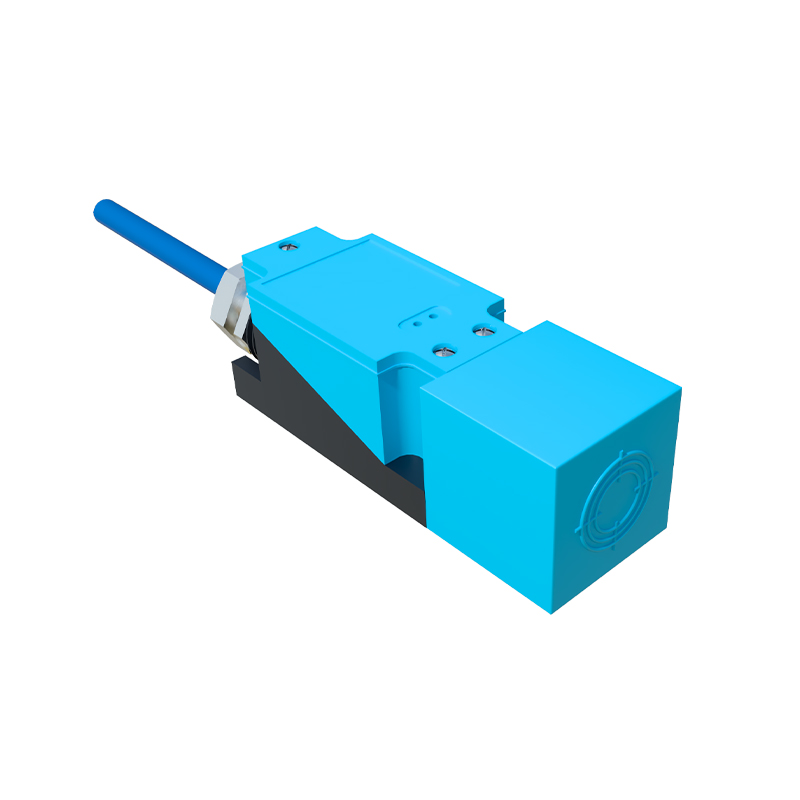
Capacitive Sensors: Detect both metallic and non-metallic objects (liquids, plastics, wood) by measuring changes in capacitance. Advanced versions can be tuned to ignore certain materials or detect levels through container walls.
Ultrasonic Sensors: Use sound waves to measure distance to an object. Multifunctional variants provide precise analog distance data, switchpoint outputs, and background suppression capabilities.
Photoelectric Sensors: Utilize light beams. Multifunctional models may combine diffuse, retro-reflective, and through-beam modes, with features like precise background suppression, color recognition, or contrast detection.
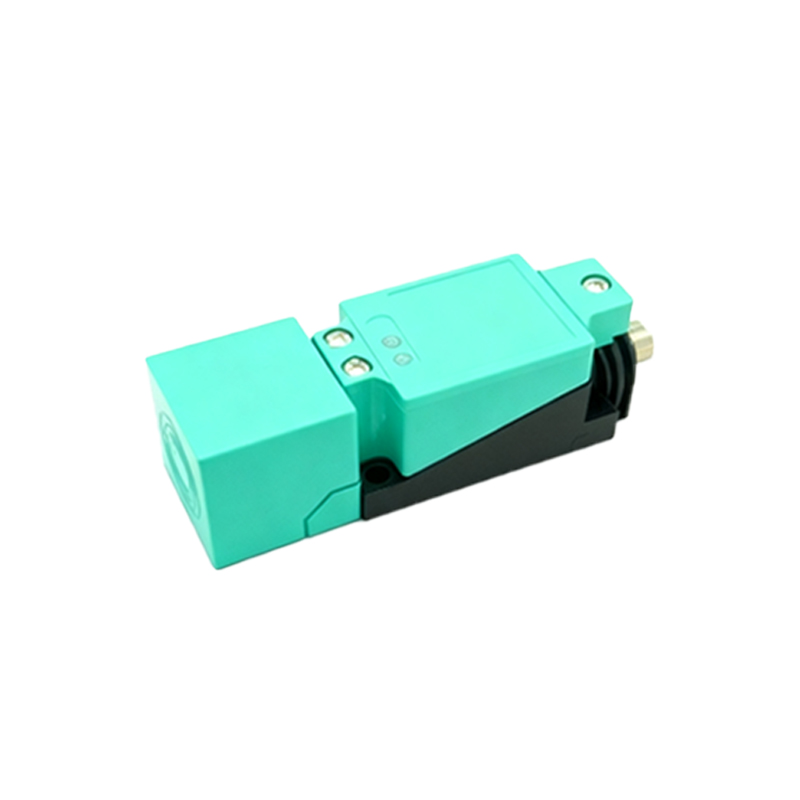
The true power of a multifunctional sensor lies in its embedded intelligence and connectivity. Key features include:
1. Programmable Logic and Functions: These sensors often contain a small programmable logic controller (PLC) or application-specific integrated circuit (ASIC). They can be configured for complex tasks such as window mode (detecting objects within a specific distance range), hysteresis adjustment, time delays (on-delay, off-delay, one-shot), and pulse stretching.
2. Multiple Outputs: A single sensor may provide a combination of digital outputs (PNP/NPN, push-pull), analog outputs (0-10V, 4-20mA proportional to distance), and IO-Link communication. IO-Link is particularly transformative, enabling bidirectional data exchange, parameter setting, and advanced diagnostics from a central controller.
3. Advanced Diagnostics and Monitoring: Beyond a simple detection signal, these sensors can report internal temperature, operating voltage, signal strength, contamination levels (e.g., lens fouling in optical sensors), and load current. This predictive maintenance data is crucial for minimizing downtime in critical processes.
4. Robust Design and Flexibility: Engineered for harsh industrial environments, they typically feature high IP (Ingress Protection) and IK (Impact Protection) ratings. Their multifunctionality reduces inventory needs, as one sensor type can be deployed in various roles—from object detection and counting to precise positioning and thickness measurement.
Applications are vast and cross-industrial:
Automotive Manufacturing: Used on robotic arms for precise part positioning, in welding cells to verify component presence, and in assembly lines for error-proofing by checking if multiple parts are correctly installed before a process proceeds.
Packaging and Material Handling: Detecting transparent films, counting bottles on a high-speed conveyor, monitoring fill levels in silos, and ensuring proper box sealing by verifying flap position.
Food and Beverage: Capacitive sensors detect liquid levels in stainless steel tanks; ultrasonic sensors control powder levels in hoppers. Their hygienic designs and wash-down capabilities are essential.
Machine Tool and Robotics: Providing precise end-effector positioning, tool breakage detection, and palletizing verification. Analog output sensors give continuous position feedback for adaptive control.
Selecting the right multifunctional proximity sensor requires careful analysis of the application: target material, required sensing distance, environmental conditions (temperature, contaminants), needed output type, and communication protocol. The initial investment is often higher than for a standard sensor, but the payoff comes in reduced wiring complexity, lower spare parts inventory, enhanced process reliability, and rich diagnostic data that supports Industry 4.0 initiatives.
In conclusion, multifunctional proximity sensors are no longer mere switching devices; they are intelligent data points on the factory floor. By consolidating multiple capabilities, they simplify system design, enhance flexibility, and provide a deeper insight into machine health and process efficiency. For electrical engineers designing modern automated systems, understanding and leveraging these sophisticated components is key to building resilient, efficient, and data-driven industrial applications.