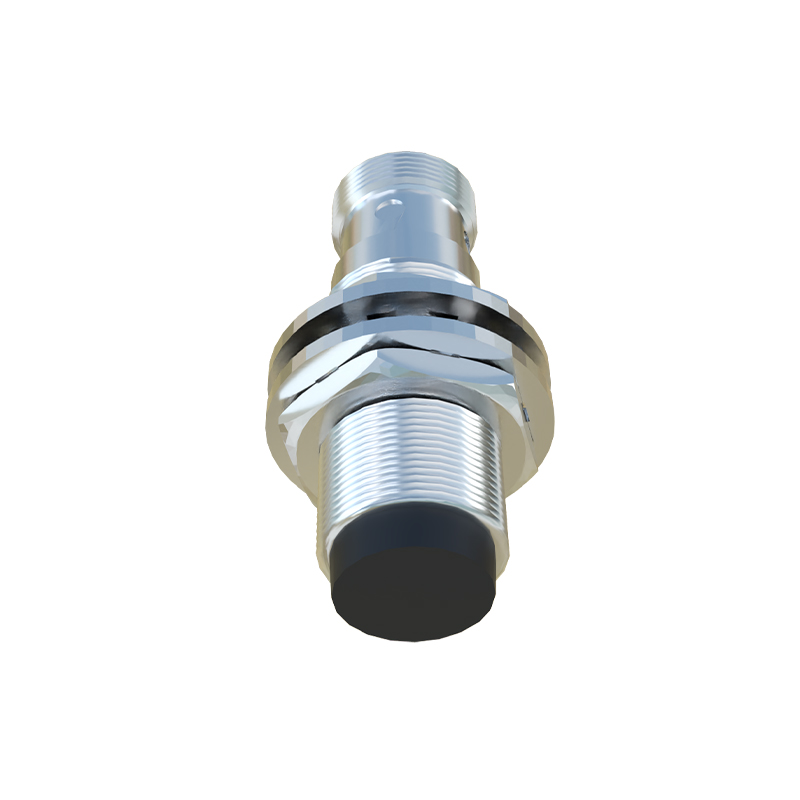
In industrial automation, the parallel installation of rectangular proximity sensors is a common practice to enhance detection reliability, expand sensing coverage, or achieve multi-point monitoring within confined spaces. Unlike cylindrical sensors, rectangular models offer a flat, compact design that facilitates side-by-side mounting, but this arrangement introduces unique technical challenges. This article explores key considerations for effective parallel installation, including sensor spacing, interference mitigation, alignment techniques, and environmental factors.
Rectangular proximity sensors, often based on inductive, capacitive, or photoelectric principles, are prized for their robust housing and consistent performance in harsh environments. When installed in parallel, the primary concern is mutual interference—especially for inductive sensors, which generate electromagnetic fields that can cause crosstalk if placed too closely. To prevent false triggering, manufacturers typically specify a minimum separation distance, which varies by sensor model and output type. As a rule of thumb, maintaining a gap of at least twice the sensor’s housing width is advisable, though this should be verified against technical datasheets. For example, if a sensor housing is 20 mm wide, a spacing of 40 mm or more between adjacent units helps reduce electromagnetic coupling. Additionally, using sensors with shielded designs or alternating output types (e.g., mixing normally open and normally closed configurations) can further minimize interference.
Alignment and mounting precision are critical in parallel setups. Since rectangular sensors often feature a focused sensing range, even minor misalignment can lead to detection gaps or overlapping fields. Engineers should use precision jigs or mounting brackets to ensure sensors are positioned on a common plane, with their sensing faces parallel to the target surface. For applications involving moving objects, such as conveyor belts, it’s essential to align the sensors perpendicular to the direction of motion to maintain consistent detection. Stainless steel or anodized aluminum brackets are recommended for durability, and vibration-resistant fasteners should be employed to prevent loosening over time.
Environmental factors also play a significant role. In dusty, humid, or high-temperature settings, the close proximity of multiple sensors can exacerbate heat buildup or contamination. Ensuring adequate ventilation between units and selecting sensors with appropriate IP ratings (e.g., IP67 for dust and water resistance) is crucial. For outdoor or washdown environments, stainless steel housings and sealed connectors provide added protection. Cable management is another often-overlooked aspect; routing cables away from each other and using shielded cables reduces electrical noise and physical strain.
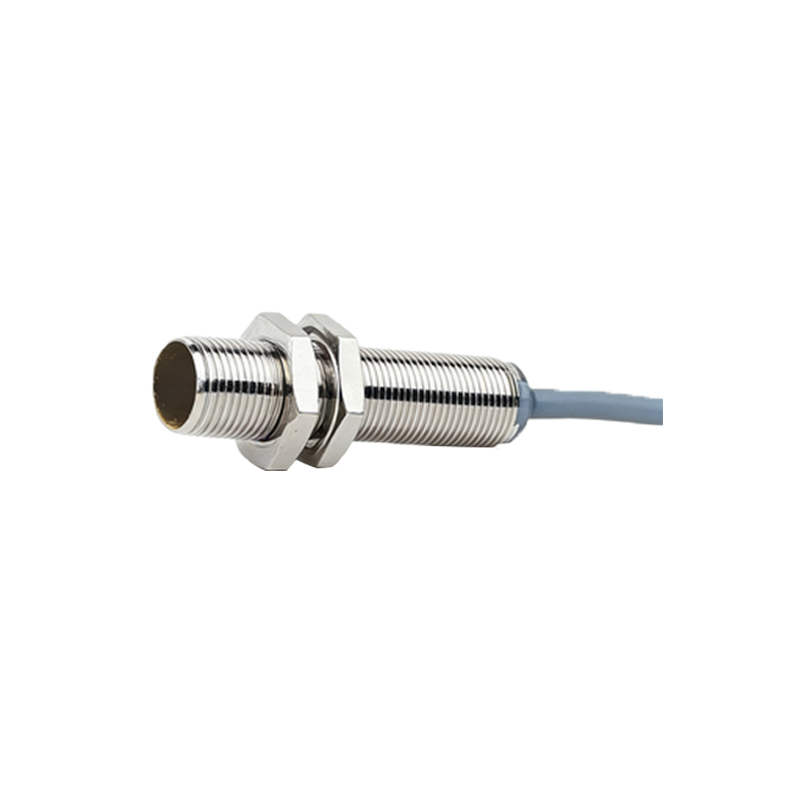
Applications of parallel rectangular proximity sensors span various industries. In packaging lines, they can be installed side-by-side to detect multiple product edges simultaneously, ensuring precise positioning. In automotive assembly, parallel sensors monitor the presence of components in tight spaces, such as engine bays or door panels. Material handling systems use them to track pallet positions or count objects on wide conveyors. By leveraging parallel installation, engineers can create redundant sensing arrays that improve system fault tolerance—if one sensor fails, adjacent units maintain operational integrity.
When designing a parallel sensor array, always conduct real-world testing under actual operating conditions. Use oscilloscopes or diagnostic tools to check for signal interference, and adjust spacing or orientation as needed. Consult manufacturer guidelines for temperature derating and load compatibility, especially when connecting multiple sensors to a single controller. With careful planning, parallel installation of rectangular proximity sensors can significantly enhance automation efficiency, reliability, and flexibility, making it a valuable technique in modern industrial systems.