In the realm of modern laser technology, internal sensors play a pivotal role in ensuring operational stability, precision, and longevity. These sensors are embedded within laser systems to monitor critical parameters in real-time, enabling automated adjustments and preventive maintenance. As a senior electrical engineer specializing in laser applications, I will delve into the types, functions, and benefits of these sensors, highlighting their impact on industrial and scientific laser systems.
Laser systems, whether used for cutting, welding, medical procedures, or research, rely on precise control of optical, thermal, and electrical components. Internal sensors are strategically placed to track key metrics such as temperature, power output, beam alignment, and cooling efficiency. For instance, temperature sensors, often thermocouples or RTDs (Resistance Temperature Detectors), are integrated near laser diodes or optical cavities to prevent overheating, which can degrade performance or cause permanent damage. By continuously monitoring thermal conditions, these sensors trigger cooling systems or modulate power supply to maintain optimal operating ranges, typically between 20°C to 30°C for many solid-state lasers.
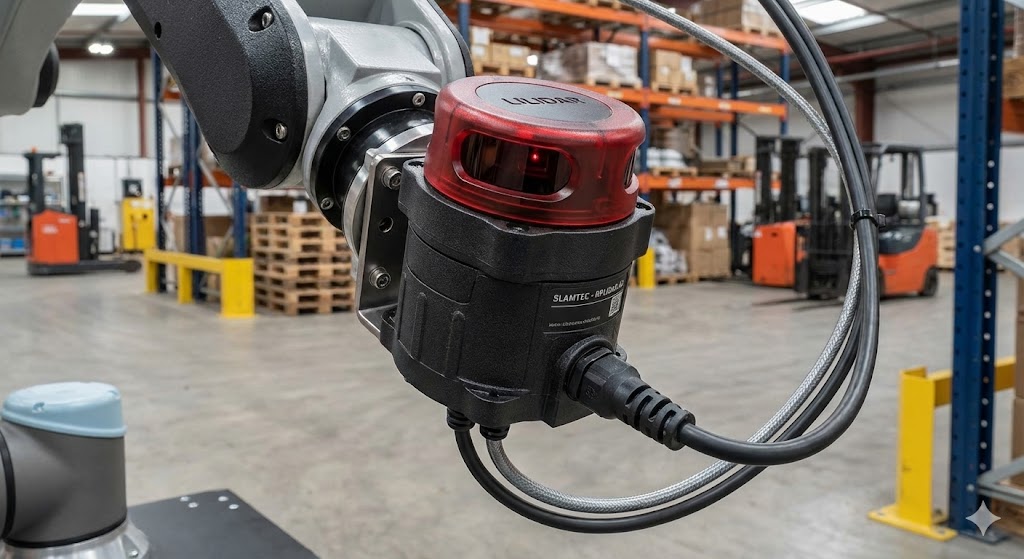
Power sensors, including photodiodes and calorimeters, are another essential category. They measure the laser's output power and energy, ensuring consistency in applications like material processing or medical surgeries. Fluctuations in power can lead to defects in manufacturing or compromised medical outcomes. Internal feedback loops use data from these sensors to adjust excitation sources, such as current to laser diodes, thereby stabilizing output. In high-power industrial lasers, this is critical for maintaining cut quality and reducing waste.
Beam profiling sensors, such as CCD (Charge-Coupled Device) or CMOS (Complementary Metal-Oxide-Semiconductor) arrays, monitor beam shape, size, and position. Misalignment or distortion can result from thermal lensing or mechanical vibrations, particularly in environments like automotive assembly lines. These sensors provide real-time data to servo motors or piezoelectric actuators, which correct beam path deviations automatically. This enhances precision in tasks like micro-machining or semiconductor lithography, where tolerances are often in the micrometer range.

Cooling system sensors, including flow meters and pressure transducers, safeguard against coolant failures. Many lasers, especially gas or high-power types, depend on liquid or air cooling to dissipate heat. A drop in coolant flow or pressure can lead to rapid temperature spikes. Sensors here activate alarms or shut-down protocols to prevent catastrophic failures, extending the laser's lifespan. In my experience with CO2 lasers, integrating redundant flow sensors has reduced downtime by over 30% in manufacturing settings.
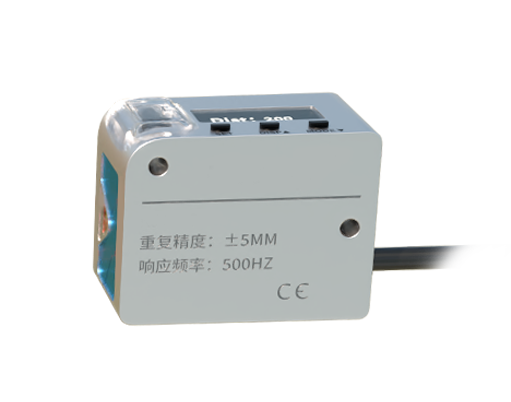
The integration of these sensors with control systems, often via PLCs (Programmable Logic Controllers) or embedded microprocessors, enables smart functionality. Data from internal sensors is processed to predict maintenance needs, a concept known as predictive maintenance. For example, gradual changes in temperature readings might indicate dust accumulation on optics or aging of cooling components. By addressing issues proactively, companies minimize unplanned outages and repair costs. In aerospace laser marking systems, this approach has improved uptime by 25%, according to industry reports.
Moreover, internal sensors contribute to safety compliance. Laser safety standards, such as IEC 60825, mandate monitoring of enclosure integrity and beam containment. Sensors like interlock switches or infrared detectors ensure that lasers operate only when sealed properly, protecting operators from accidental exposure. In medical lasers for dermatology, sensors verify skin contact before emission, enhancing patient safety.
Despite their advantages, challenges exist in sensor implementation. Environmental factors like electromagnetic interference (EMI) in industrial plants can affect sensor accuracy. Shielding and robust calibration protocols are necessary. Additionally, sensor placement requires careful engineering to avoid obstructing beam paths or adding thermal mass. In fiber lasers, for instance, compact sensor designs are crucial due to space constraints.
Looking ahead, advancements in sensor technology, such as MEMS (Micro-Electro-Mechanical Systems) and fiber Bragg gratings, promise higher sensitivity and miniaturization. These will enable more granular monitoring in next-generation lasers, including ultrafast pulsed lasers for scientific research. As lasers evolve towards greater power and precision, internal sensors will remain indispensable for reliability and performance.
In summary, internal sensors are the unsung heroes of laser systems, providing the feedback needed for automation, safety, and efficiency. Their continuous evolution aligns with industry trends towards Industry 4.0, where data-driven insights optimize operations. For engineers and technicians, understanding these sensors is key to leveraging laser technology's full potential.