In the realm of industrial automation and precision measurement, laser reflection sensing technology stands as a cornerstone for numerous applications. This technology operates on the principle of emitting a focused laser beam toward a target surface and detecting the reflected light. The characteristics of the reflected beam—such as its intensity, angle, and time of flight—are analyzed to determine critical parameters including distance, presence, position, and even surface properties of the object.
The core components of a typical laser reflection sensor include a laser diode as the light source, a photodetector (often a photodiode or position-sensitive device), and sophisticated signal processing electronics. Lasers used are typically in the visible red or infrared spectrum, chosen for their coherence and ability to produce a narrow, intense beam. When the beam strikes a surface, it is reflected diffusely or specularly depending on the surface texture. The sensor's receiver captures this reflected light. By measuring the time difference between emission and reception (time-of-flight or ToF principle), or by triangulating the angle of the returned beam (triangulation principle), the sensor calculates the distance to the target with high accuracy.
One of the primary advantages of laser reflection sensors is their exceptional precision and speed. They can detect objects or measure distances with resolutions down to the micrometer level and at response times in the microsecond range. This makes them indispensable in high-speed manufacturing lines for tasks like part positioning, dimensional gauging, and fill-level detection. Furthermore, their non-contact nature eliminates mechanical wear and prevents damage to both the sensor and the target object.

However, the performance of these sensors is influenced by several factors. The target's surface color and material significantly affect the amount of light reflected. Dark, matte surfaces absorb more light, reducing the signal strength received, while bright, shiny surfaces can cause oversaturation or specular reflections that may mislead the detector. Modern sensors incorporate advanced features to compensate for these variations, such as automatic sensitivity adjustment, background suppression, and the use of polarized filters to mitigate the effects of glossy surfaces.
Environmental conditions also play a crucial role. Ambient light, particularly strong sunlight or other artificial light sources containing the same wavelength as the sensor's laser, can introduce noise. Dust, fog, or steam in the industrial atmosphere can scatter the laser beam, attenuating the signal. To ensure reliability, sensors are often equipped with robust housings (rated IP67 or higher), modulated laser signals to distinguish from ambient light, and algorithms to filter out environmental interference.
Applications of laser reflection sensors are vast and varied. In automotive assembly, they ensure precise robot welding paths and verify component presence. In packaging, they control the accurate placement of labels and check seal integrity. In electronics manufacturing, they measure tiny component heights and detect wafer alignment. Logistics and warehousing utilize them for palletizing, dimensioning packages, and automated guided vehicle (AGV) navigation. Emerging fields like collaborative robotics and autonomous mobile robots heavily rely on these sensors for safe navigation and object interaction.
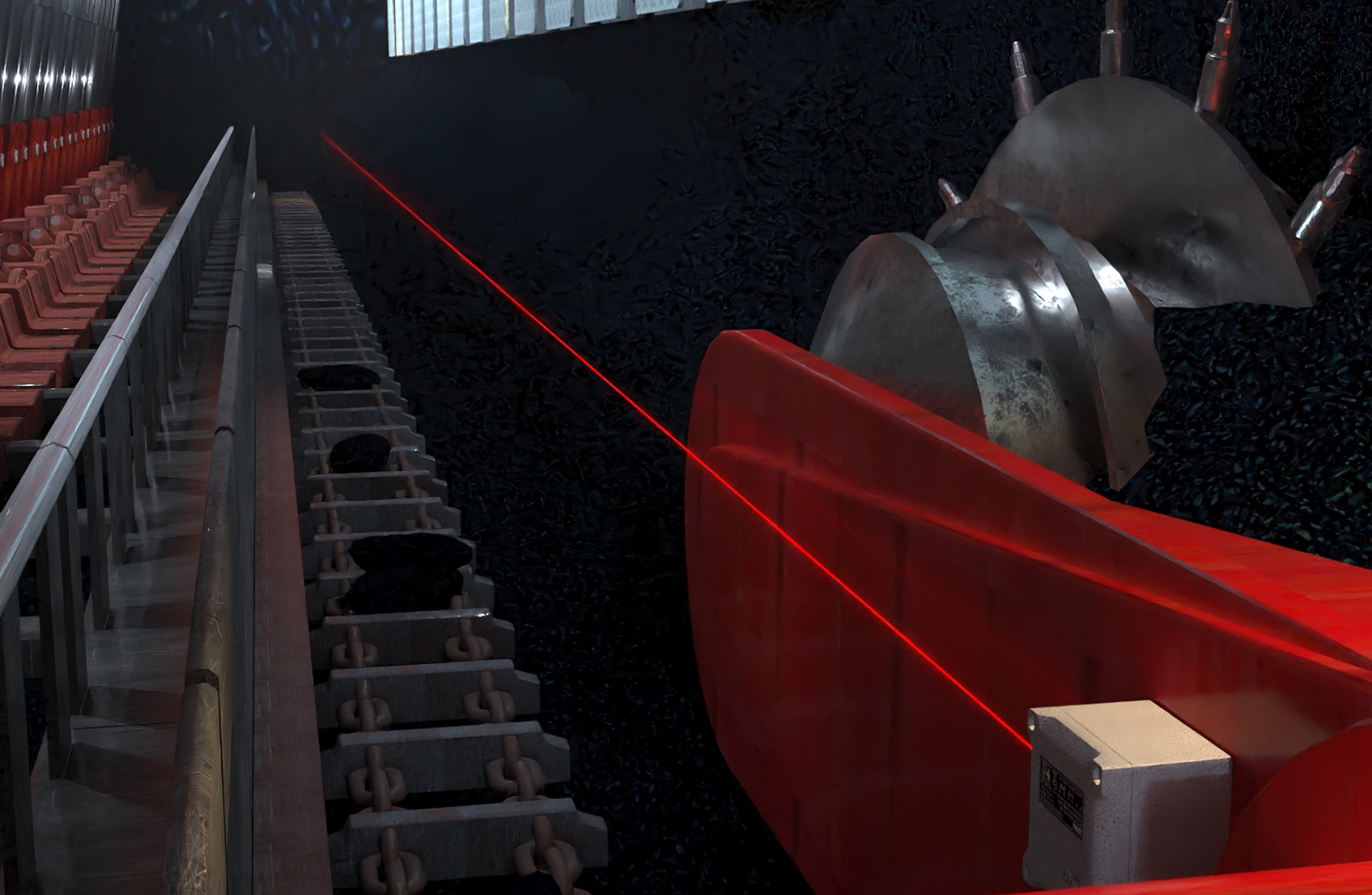
Looking forward, the integration of laser sensing with Industrial Internet of Things (IIoT) platforms is a key trend. Sensors are becoming smarter, with embedded processors that not only capture data but also perform preliminary analysis and communicate directly over industrial networks. This enables predictive maintenance, where the sensor can monitor its own performance and alert operators to potential issues like lens contamination before they cause downtime. Advancements in laser safety (Class 1 lasers that are eye-safe) and reductions in cost and size are further driving their adoption across all tiers of industry.
In conclusion, laser reflection sensing is a mature yet continuously evolving technology that provides the eyes for modern automated systems. Its combination of high precision, speed, and versatility solves complex measurement and detection challenges across countless industrial sectors. Engineers selecting a sensor must carefully consider the specific application requirements—target properties, environmental conditions, required accuracy, and output needs—to leverage the full potential of this powerful technology.