In the vast and intricate world of industrial automation, metal proximity sensors stand as indispensable components, silently ensuring precision, safety, and efficiency. These non-contact devices detect the presence or absence of metallic objects without physical interaction, making them crucial in applications ranging from assembly lines and robotics to automotive manufacturing and packaging machinery. Their ability to operate reliably in harsh environments—amidst dust, oil, and vibration—sets them apart from mechanical switches, reducing wear and tear while enhancing system longevity.
At the core of a metal proximity sensor's operation lies the principle of electromagnetic induction, primarily utilized in inductive-type sensors, which are the most common for detecting ferrous metals like iron and steel. The sensor comprises an oscillator circuit that generates a high-frequency electromagnetic field via a coil wound around a ferrite core. When a metallic object enters this oscillating field, eddy currents are induced on the surface of the metal. These eddy currents draw energy from the oscillator, causing a reduction in its amplitude or a shift in frequency. This change is detected by a threshold circuit, which then triggers an output signal—typically a solid-state switch—to indicate the object's presence. The sensing range depends on factors such as the metal's composition, size, and shape, with ferrous materials generally offering longer detection distances due to their magnetic properties.
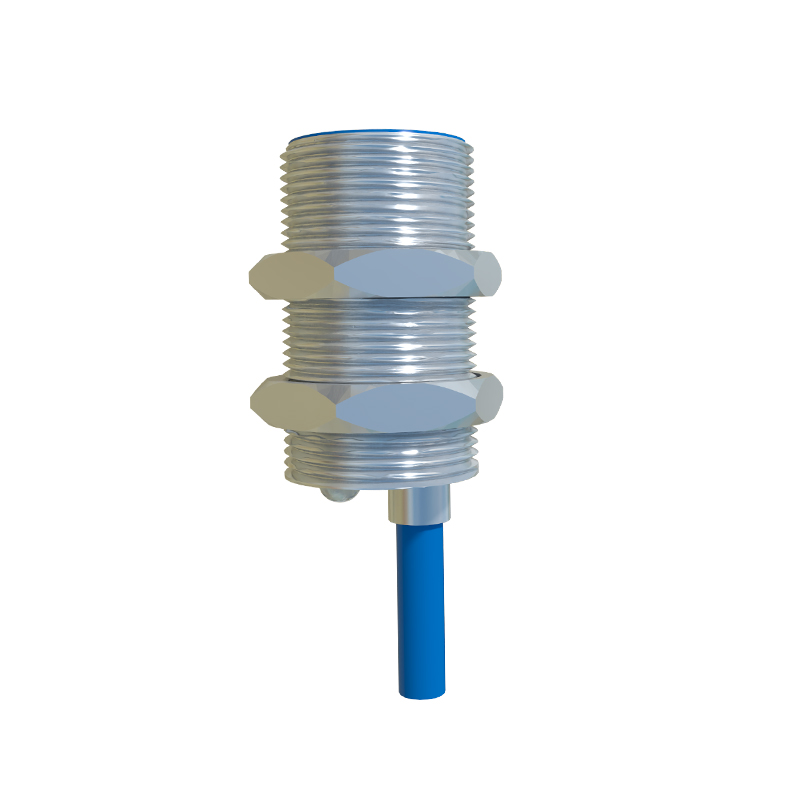
For non-ferrous metals like aluminum, copper, or brass, capacitive proximity sensors may be employed, though inductive variants can also detect them with adjusted sensitivity. Capacitive sensors work by measuring changes in capacitance between the sensor's electrode and the target object, but they are less common for pure metal detection in industrial settings due to susceptibility to environmental factors like humidity. Another advanced type is the magnetic proximity sensor, which uses a reed switch or Hall effect to detect magnetic fields, ideal for applications involving permanent magnets or magnetized metals.
The design and selection of metal proximity sensors involve key parameters: sensing distance, response time, output type (e.g., NPN or PNP transistor, analog), and environmental ratings like IP67 for dust and water resistance. For instance, in high-speed conveyor systems, sensors with fast response times (often in milliseconds) prevent bottlenecks by swiftly detecting parts. In contrast, heavy-duty machinery might prioritize rugged housings to withstand impacts.
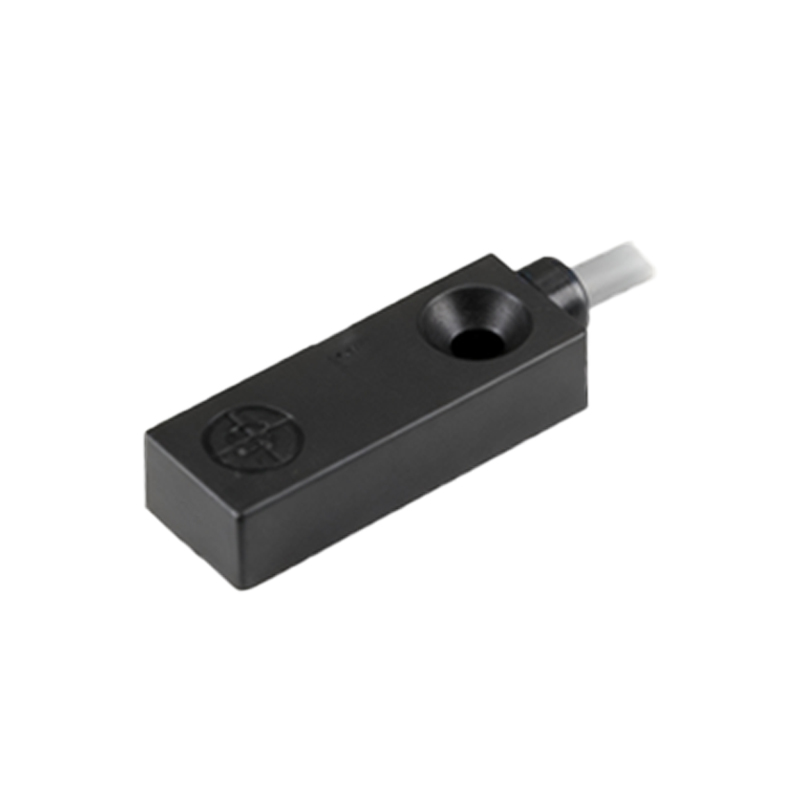
Applications abound across industries. In automotive plants, these sensors monitor the position of engine components or verify the placement of bolts. In food processing, stainless-steel sensors ensure hygienic operation while detecting metal contaminants. Robotics rely on them for precise arm positioning, avoiding collisions. The benefits are clear: reduced maintenance, as there are no moving parts to fail; improved safety by eliminating contact risks; and enhanced accuracy in repetitive tasks.
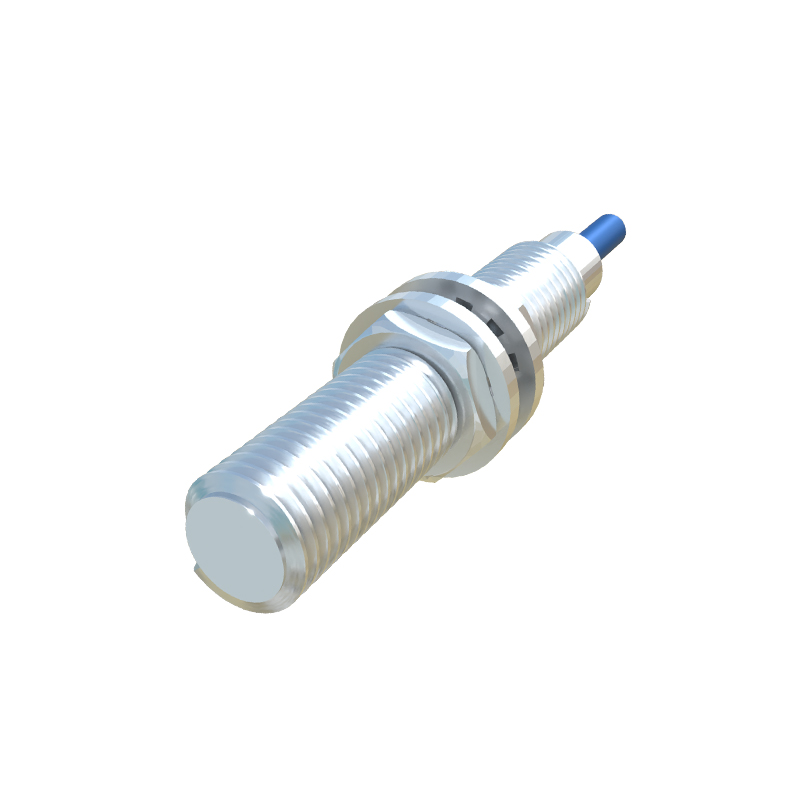
However, challenges exist, such as interference from adjacent metals or temperature variations, which can affect performance. Engineers mitigate this through shielding, proper installation, and selecting sensors with temperature compensation. As technology evolves, smart sensors with IO-Link connectivity are emerging, enabling real-time diagnostics and data integration into Industry 4.0 networks.
In summary, metal proximity sensors are the unsung heroes of modern automation, leveraging electromagnetic principles to deliver reliable detection. Their versatility and durability make them essential for optimizing industrial processes, driving innovation in an increasingly automated world. Understanding their function and principle empowers engineers to design smarter, more efficient systems that meet the demands of tomorrow's factories.