In the realm of industrial automation and precision measurement, laser proximity sensors have emerged as indispensable tools, offering unparalleled accuracy and reliability. These sensors operate on the principle of emitting a focused laser beam toward a target object and detecting the reflected light to determine distance, presence, or position. Unlike traditional inductive or capacitive sensors, laser variants excel in environments requiring high-resolution detection over extended ranges, often up to several meters, with minimal interference from ambient conditions. One of the standout features is their exceptional precision, capable of achieving micrometer-level resolution, making them ideal for applications such as robotic guidance, assembly line quality control, and dimensional inspection in manufacturing.
Another critical characteristic is the fast response time, typically in the microsecond range, which enables real-time monitoring and rapid feedback in dynamic processes. This speed, combined with a narrow beam divergence, allows for precise targeting even in crowded or complex setups, reducing the risk of false triggers from surrounding objects. Additionally, laser proximity sensors are highly versatile in terms of material compatibility. They can effectively detect a wide array of surfaces, including transparent, glossy, or dark materials that might challenge other sensor types, thanks to adjustable sensitivity and advanced signal processing algorithms.
Durability and environmental resilience further define these sensors. Many industrial-grade models are housed in rugged enclosures with high ingress protection (IP) ratings, ensuring reliable operation in harsh conditions involving dust, moisture, or temperature extremes. The non-contact nature of laser sensing also minimizes wear and tear, leading to lower maintenance costs and extended service life. Integration with modern industrial networks, such as IO-Link or Ethernet/IP, facilitates seamless data exchange and remote configuration, enhancing overall system efficiency.
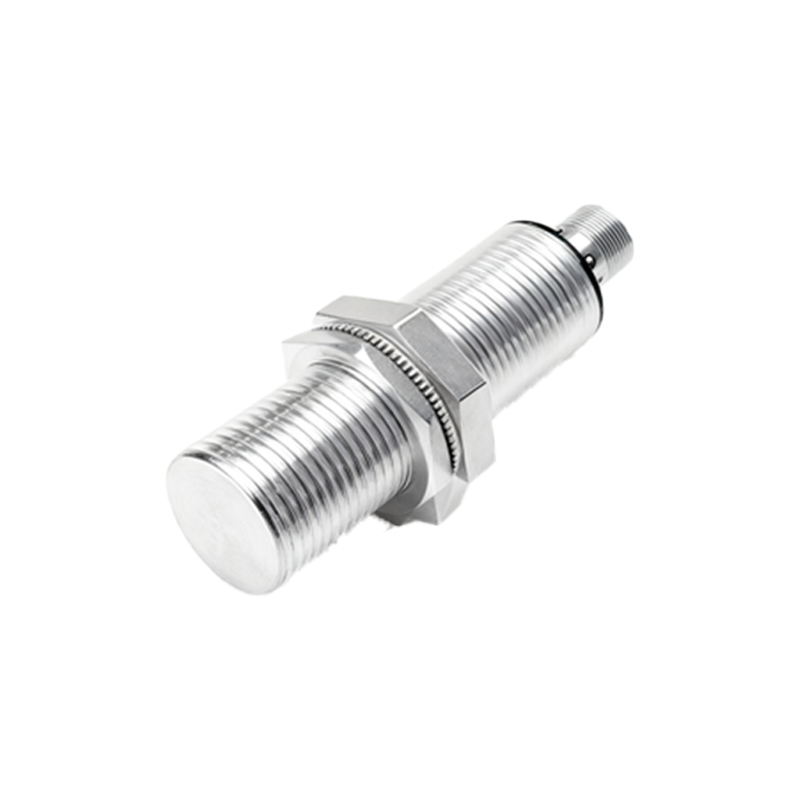
However, it's essential to consider factors like ambient light interference or highly reflective surfaces, which may require specific calibrations or filters. Overall, the combination of accuracy, speed, versatility, and robustness makes laser proximity sensors a cornerstone in advancing smart manufacturing and automation, driving productivity and quality across sectors from automotive to electronics.